

Arguments, Aggression, and Conflict - In-Depth Communication
Arguments, Aggression, and Conflict - In-Depth Communication
Price subject to change. Tap below for current.
Couldn't load pickup availability
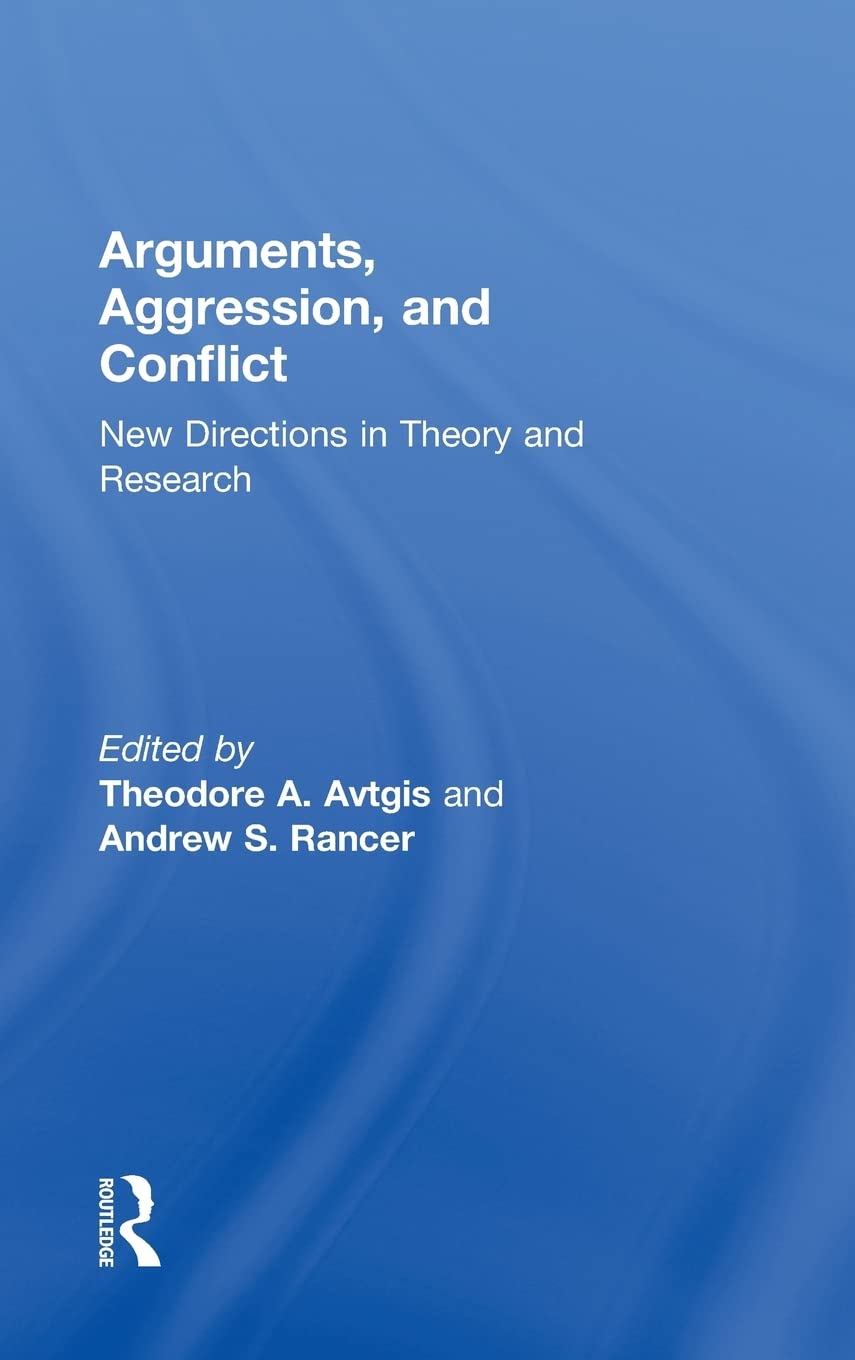
In this review of Arguments, Aggression, and Conflict the editors and contributors are assessed for how well they map the terrain of argumentative and aggressive communication. This book is for instructors, researchers, graduate students, and serious practitioners who need a focused, research-driven look at two core traits: argumentativeness and verbal aggressiveness. The single biggest reason to buy is its concentrated, scholarly treatment of measurement and conceptualization that brings together leading voices and recent directions in the field.
Key Features
- Focused scope: The book concentrates exclusively on argumentativeness and verbal aggressiveness, giving readers a deep, coherent treatment of these two dominant constructs in communication research.
- Edited collection: Edited by Theodore A. Avtgis and Andrew S. Rancer, it assembles contributions from a score of knowledgeable authors to present multiple perspectives and methods.
- Theoretical and methodological balance: Chapters discuss both conceptualization and measurement, which helps researchers design studies and interpret findings within a consistent framework.
- Contemporary topics: Several chapters tackle cutting-edge issues and propose new ideas for future research, keeping the reader current with trends in the field.
- Academic utility: The text serves as a valuable resource for instructors and graduate students seeking readings that combine scholarship with practical research guidance.
Who It's For
This volume is best for graduate students, instructors, and scholars in communication studies and social psychology who require a concentrated examination of aggressive communication constructs for coursework, literature reviews, or research planning. It is particularly useful for those designing measures or seeking theoretical clarity about aggressive communication traits.
Those looking for a general self-help guide, casual readers, or practitioners wanting step-by-step conflict-resolution exercises should look elsewhere; the book is scholarly and oriented toward research and theory rather than popular application.
Pros & Cons
Pros
- Comprehensive focus on two well-defined traits gives clarity to a complex research area.
- Edited by recognized academics, ensuring contributions are informed and relevant to the field.
- Useful mix of conceptual discussion and measurement guidance supports empirical work.
Cons
- The academic tone and emphasis on research make it less accessible for casual readers seeking practical conflict-resolution tips.
Specifications
| Title | Arguments, Aggression, and Conflict |
| Editors | Theodore A. Avtgis; Andrew S. Rancer |
| Focus | Argumentativeness and verbal aggressiveness |
| Audience | Instructors, researchers, scholars, graduate students |
| Content type | Edited collection of scholarly chapters |
| Subject areas | Communication studies; social psychology |
Our Verdict
Arguments, Aggression, and Conflict is a worthwhile purchase for academics and graduate students who need an in-depth, research-centered resource on aggressive communication. Its focused scope and methodological attention make it good value for those conducting studies or teaching advanced courses; readers seeking accessible self-help content should consider other titles.
Frequently Asked Questions
Does this book cover practical conflict-resolution techniques?
Not primarily; the text emphasizes theoretical and measurement issues rather than step-by-step practical techniques.
Who edited the book?
The editors are Theodore A. Avtgis and Andrew S. Rancer, who assemble contributions from multiple authors.
Is this suitable for graduate coursework?
Yes, it is well suited for graduate seminars and research-focused courses in communication and social psychology.
Editor's Take
Arguments, Aggression, and Conflict is a focused, research-oriented collection valuable for instructors and graduate students studying argumentativeness and verbal aggressiveness; its methodological depth makes it good value for academic use.

Recently viewed
Recently viewed products will appear here as customers browse the store.