

Assessing Students' Written Work - Practical Guide for Educators
Assessing Students' Written Work - Practical Guide for Educators
Price subject to change. Tap below for current.
Couldn't load pickup availability
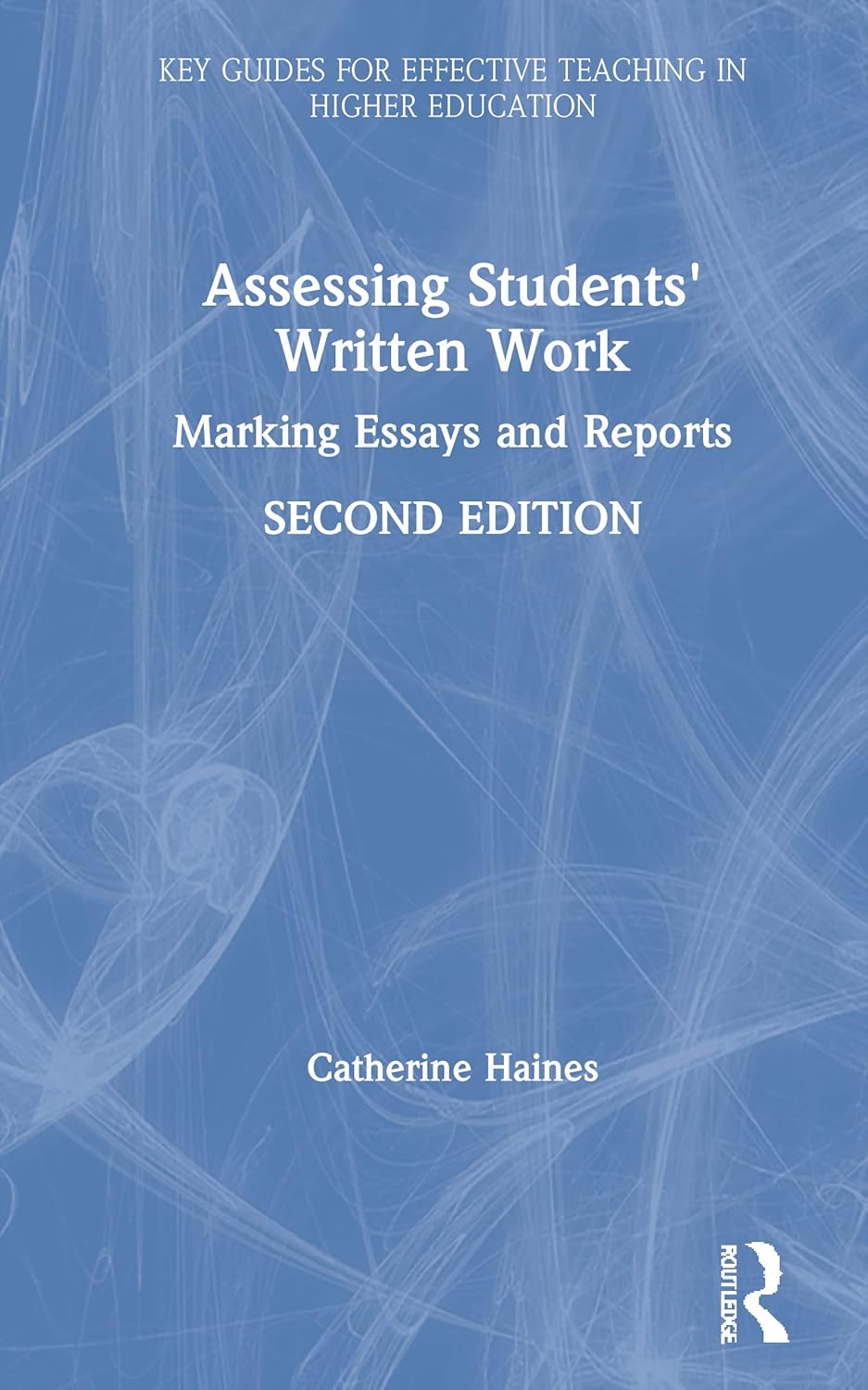
In this review of Assessing Students' Written Work the bottom line is clear: this is a pragmatic, classroom-facing guide for educators who want to improve the quality, efficiency and fairness of written assessment. Catherine Haines offers a second edition that brings student perspectives and recent changes in remote assessment and plagiarism detection into view, making it most useful for lecturers, tutors and new assessors who need concrete strategies rather than high-level theory. The book is best bought for its actionable advice on feedback and workload management.
Key Features
- Updated second edition: Includes recent developments in remote assessment and plagiarism tools so assessors can apply current practices.
- Student perspectives included: Adds the views of students to help readers align marking and feedback with learner expectations.
- Practical workload advice: Offers realistic tips on making the best use of time and technology when assessing large cohorts.
- Clear coverage of assessment methods: The second half breaks down common methods and provides targeted advice for typical challenges.
- Feedback-focused: Helps assessors give motivating, usable feedback that supports student progress.
Who It's For
This book is aimed squarely at practitioners in higher education: early-career lecturers, module convenors, teaching assistants and anyone responsible for marking written work for diverse student groups. It suits those who need a compact, realistic manual to improve fairness, feedback and time management in assessment.
Those seeking deep theoretical accounts of assessment or a research monograph on assessment theory should look elsewhere; this guide prioritizes applied guidance over exhaustive academic debate.
Pros & Cons
Pros
- Practical, hands-on advice that can be implemented in daily marking routines.
- Reflects contemporary issues such as plagiarism and remote assessment tools.
- Includes student voices to inform more effective feedback and criteria setting.
Cons
- Not a comprehensive theoretical text, so readers wanting deep research synthesis may find it brief.
Specifications
| Title | Assessing Students' Written Work |
| Edition | Second edition |
| Author / Brand | Catherine Haines |
| Focus | Assessment, feedback, plagiarism and remote assessment |
| Audience | Higher education practitioners and newer assessors |
| Approach | Practical guidance with student perspectives |
Our Verdict
Assessing Students' Written Work is a cost-effective, practice-oriented resource for educators who need clear, implementable strategies for marking and feedback. Its incorporation of student views and updated coverage of remote assessment make it a good value for new assessors and busy staff seeking to improve consistency and efficiency in written assessment.
Frequently Asked Questions
Does this edition cover remote assessment?
Yes, the second edition has updated material addressing remote assessment and related tools.
Is this book suitable for experienced assessment researchers?
It is mainly practical; experienced researchers may find the coverage concise rather than exhaustive.
Will it help with feedback quality?
Yes, the book offers specific advice on giving motivating and constructive feedback to students.
Editor's Take
A practical, value-for-money guide for higher education practitioners, offering updated advice on remote assessment, plagiarism and clear, implementable feedback strategies.

Recently viewed
Recently viewed products will appear here as customers browse the store.