

Audiovisual and Digital Ethnography - Clear Practical Introduction
Audiovisual and Digital Ethnography - Clear Practical Introduction
Price subject to change. Tap below for current.
Couldn't load pickup availability
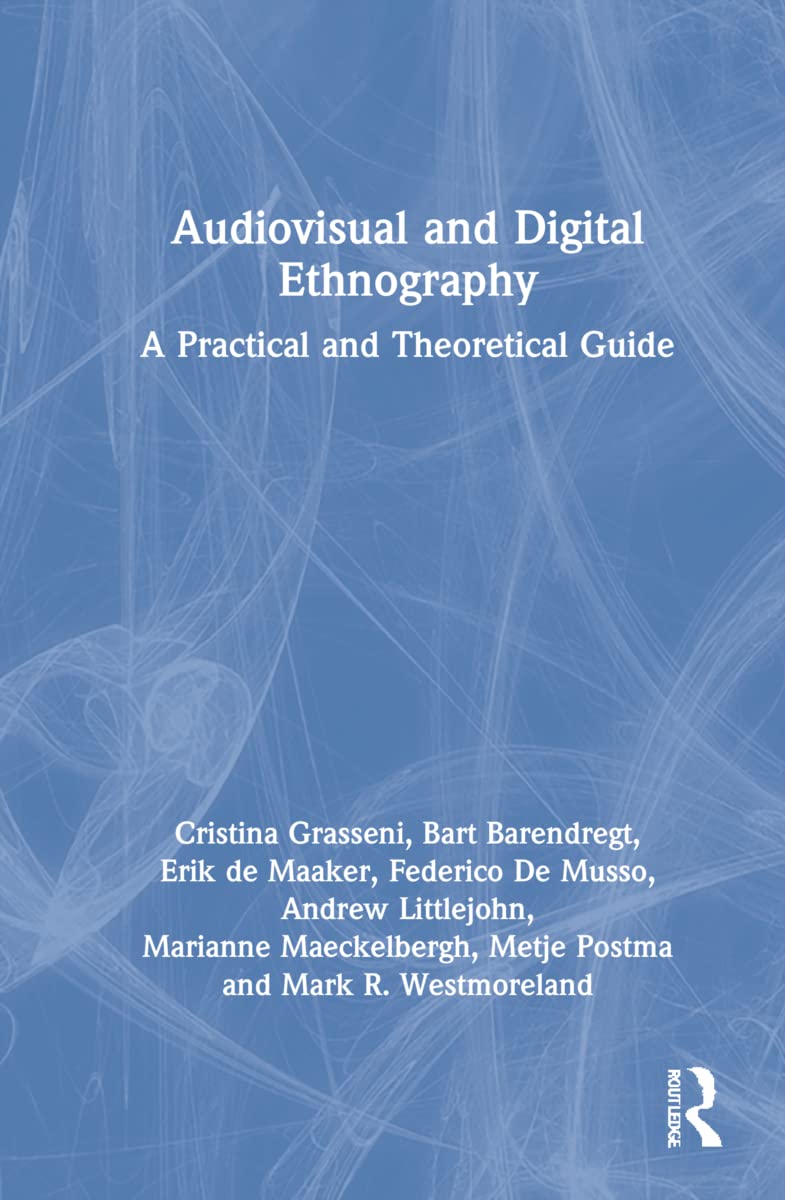
In this review of Audiovisual and Digital Ethnography the bottom line is straightforward: this compact guide is best for students and scholars who need a clear, practical introduction to working with audio, visual and digital methods in fieldwork. The authors present a systematic overview that explains why sensory attention, ethical management of data and multimodal methods matter, and the book's greatest strength is its balance of hands-on technique and conceptual framing. For anyone starting audiovisual work in anthropology this is a readable, up-to-date resource.
Key Features
- Clear methodological overview: Chapters explain how to learn to see and listen in the field so readers can develop stronger sensory attention during ethnographic practice.
- Practical audiovisual techniques: The book covers doing anthropological fieldwork with video and observational filmmaking, providing concrete approaches to recording and framing everyday practice.
- Multimodal approaches: Discussion of ethnographic drawing and multimodal anthropology helps researchers combine images, sound and text in analytic work.
- Digital and interactive formats: Coverage of digital ethnography and interactive documentary gives readers a sense of how contemporary media change representation and engagement.
- Ethics and data management: The authors address ethical concerns and practical management of audiovisual and digital data so projects remain responsible and organized.
- Concise, up-to-date guide: The text is a state-of-the-art introduction that synthesizes foundational skills and essential theory for quick learning.
Who It's For
This volume is aimed at graduate students, early-career researchers and scholars in anthropology or cultural studies who want a focused primer on audiovisual and digital methods. It is especially useful for readers preparing to incorporate video, audio or multimodal materials into fieldwork and reporting, or for seminar use where instructors need a compact course text.
Those looking for exhaustive technical manuals on camera gear, advanced editing workflows or software-specific tutorials should look elsewhere; this book emphasizes conceptual framing and method rather than step-by-step production training. It is not a film school textbook, but it is a solid bridge between ethnographic theory and media practice.
Pros & Cons
Pros
- Concise synthesis of theory and practice that makes multimodal anthropology accessible to newcomers.
- Useful coverage of ethics and data management for research projects involving audiovisual materials.
- Clear guidance on sensory techniques such as learning to see and listen in the field.
- Includes contemporary topics like digital ethnography and interactive documentary to situate practice.
Cons
- Not a hands-on technical manual; readers seeking camera or editing step-by-step instruction may find it limited.
- Because it is concise, some topics are introductory and may require further reading for specialist projects.
Specifications
| Title | Audiovisual and Digital Ethnography |
| Authors / Editors | Cristina Grasseni; Bart Barendregt; Erik de Maaker; Federico De Musso; Andrew Littlejohn; Marianne Maeckelbergh; Metje Postma; Mark R. Westmoreland |
| Coverage | Learning to see and listen, audiovisual fieldwork, digital ethnography |
| Topics included | Observational filmmaking, ethnographic drawing, interactive documentary, ethics, data management |
| Approach | Concise theoretical framing with practical method guidance |
| Intended audience | Students and scholars in anthropology and cultural studies |
Our Verdict
Overall, Audiovisual and Digital Ethnography is a well-judged introduction that combines essential theory with practical method for researchers moving into audiovisual and digital work. Its focus on sensory attention, ethics and multimodal practice makes it good value for students and faculty who need a single, readable resource to orient coursework or early-stage projects.
Frequently Asked Questions
Is this book suitable for beginners?
Yes. The text is written as a state-of-the-art introduction that explains fundamentals in a clear, systematic way for newcomers.
Does it teach technical film production?
No. It covers observational filmmaking and media methods conceptually and methodologically rather than providing detailed camera or editing tutorials.
Will it help with ethics and data handling?
Yes. The book addresses ethical issues and practical management of audiovisual and digital data relevant to research projects.
Editor's Take
Audiovisual and Digital Ethnography is a concise, well-balanced introduction that combines sensory methods, observational filmmaking and digital ethnography with clear ethical guidance, making it ideal for students and scholars starting audiovisual research.

Recently viewed
Recently viewed products will appear here as customers browse the store.