

Basic Principles of Forensic Chemistry - Practical Forensic Guide
Basic Principles of Forensic Chemistry - Practical Forensic Guide
Price subject to change. Tap below for current.
Couldn't load pickup availability
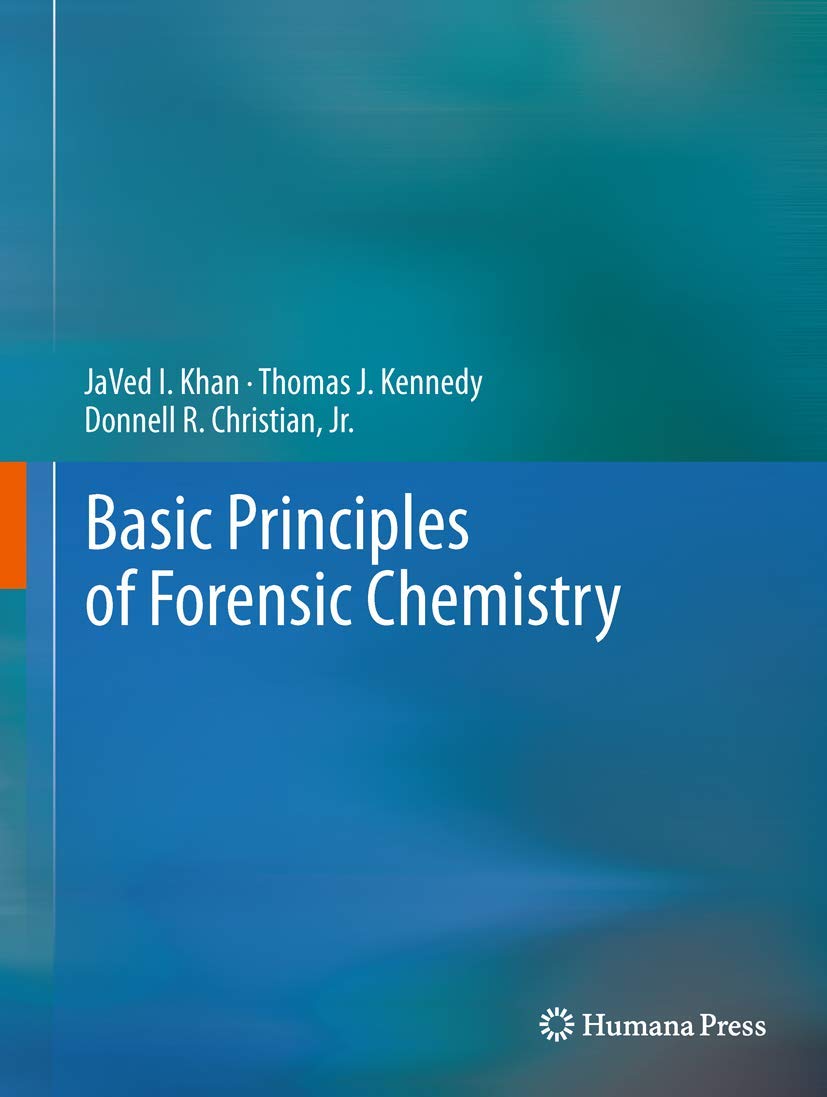
In this review of Basic Principles of Forensic Chemistry the reviewer finds a focused resource that bridges core chemistry and forensic application, aimed primarily at students and practitioners involved in controlled substances and clandestine casework. The single biggest reason to buy is its practical blend of chemical fundamentals with forensic procedures that helps readers connect laboratory techniques to real investigative questions. Written by JaVed I. I. Khan, Thomas J. Kennedy, and Donnell R. Christian, the book reads like a field-oriented textbook rather than a theoretical chemistry tome.
Key Features
- Forensic chemistry approach: Presents chemical principles in the context of forensic examinations so readers can apply methods directly to casework involving controlled substances.
- Controlled substances focus: Emphasizes techniques and considerations specifically relevant to identifying and analyzing illicit drugs and related materials.
- Clandestine operations coverage: Explains how chemical analysis supports investigations of clandestine laboratories and improvised synthesis methods.
- Practical orientation: Uses examples and case-based discussion to show how laboratory results inform investigative decisions and reporting.
- Authorship credibility: Authored by practitioners and academics whose combined perspective links classroom chemistry to applied forensic practice.
Who It's For
This book is best for forensic chemistry students, laboratory technicians, and practicing forensic scientists who need a resource that ties chemical concepts directly to the analysis of controlled substances and clandestine operations. It suits readers looking for applied procedures and case-focused discussion rather than abstract physical chemistry.
Those seeking exhaustive analytical method tables, a broad survey of unrelated medical topics, or a purely clinical pathology reference should look elsewhere; the text concentrates on forensic applications and controlled substance examination, not general internal medicine or comprehensive clinical pathology.
Pros & Cons
Pros
- Clear linkage between chemical fundamentals and forensic practice helps translate theory to laboratory workflows.
- Focused coverage on controlled substances makes it directly relevant to drug analysis casework and clandestine lab investigations.
- Case-oriented explanations aid training and on-the-job reference for technicians and investigators.
Cons
- Not a substitute for a comprehensive clinical pathology or internal medicine textbook, so scope is intentionally narrow.
Specifications
| Title | Basic Principles of Forensic Chemistry |
| Authors | JaVed I. I. Khan, Thomas J. Kennedy, Donnell R. Christian |
| Primary focus | Forensic chemistry applied to controlled substances |
| Use case | Examination of controlled substances and clandestine operations |
| Approach | Practical, case-oriented integration of chemistry and forensic science |
Our Verdict
Basic Principles of Forensic Chemistry is a solid, practical resource for students and forensic practitioners who need a targeted guide to chemical analysis of controlled substances and clandestine labs. It provides good value for anyone wanting an applied, case-focused companion to lab work, although readers seeking broad clinical or pathology coverage should consult additional texts.
Frequently Asked Questions
Is this book suitable for beginners?
The book is accessible to readers with basic chemistry background and is most useful for students progressing into forensic laboratory work.
Does it cover analytical methods in detail?
It focuses on applied techniques and case examples relevant to controlled substances rather than exhaustive method tables for every instrument.
Will it help with clandestine lab investigations?
Yes, the text explicitly links chemical analysis to the investigation of clandestine operations and evidence interpretation.
Editor's Take
Basic Principles of Forensic Chemistry is a practical, case-focused guide that links chemical fundamentals to the analysis of controlled substances and clandestine operations, making it a strong choice for students and forensic lab practitioners.

Recently viewed
Recently viewed products will appear here as customers browse the store.