

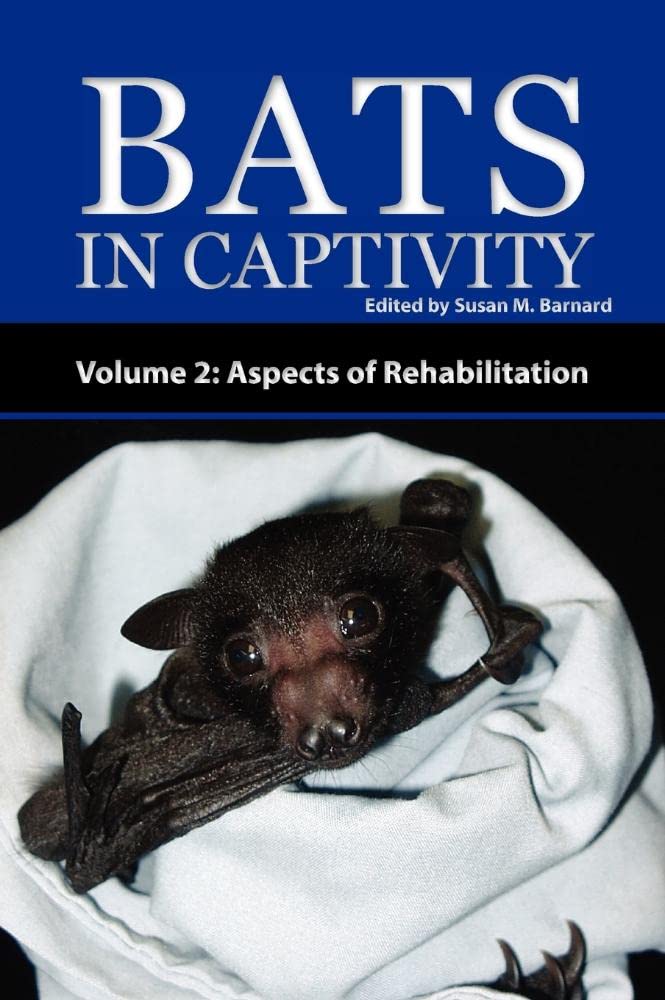
Bats in Captivity - Volume 2: Aspects of Rehabilitation
Bats in Captivity - Volume 2: Aspects of Rehabilitation
Price subject to change. Tap below for current.
Couldn't load pickup availability
In this review of Bats in Captivity - Volume 2: Aspects of Rehabilitation, the reviewer finds a uniquely practical and research-rich reference for anyone responsible for maintaining or rehabilitating captive bats. The book compiles 38 papers from 41 authors and the single biggest reason to buy is its comprehensive, field-tested guidance on handling, feeding and releasing bats across species groups, presented in a way that supports both immediate husbandry decisions and longer-term rehabilitation protocols.
Key Features
- Comprehensive coverage: The volume gathers 38 papers that together give a broad, species-spanning perspective useful for captive care and rehabilitation.
- Practical handling guidance: Sections on capturing, handling and marking provide concrete techniques that reduce stress and improve safety for both bats and caregivers.
- Rearing and nutrition: Detailed notes on lactation, postnatal growth and simulated mother's milk offer essential guidance for successful hand rearing of pups.
- Torpor and hibernation insight: The book describes approaches to managing torpor and hibernation states, helping caretakers support seasonal physiological needs.
- Release and conservation focus: Guidance on releasing bats into the wild and monitoring postrelease outcomes ties captive care to longer-term conservation goals.
Who It's For
This volume is aimed at wildlife rehabilitators, zookeepers, researchers and experienced hobbyists who need a technical, evidence-based manual for caring for bats in captivity. The mix of identification tips, reproductive biology and hands-on husbandry makes it practical for those running short-term care or long-term captive programs.
It is less suitable for readers seeking a general popular introduction to bats or casual nature readers; the book assumes some background knowledge and interest in practical rehabilitation methods rather than general natural history storytelling.
Pros & Cons
Pros
- Wide-ranging expert contributions give a diversity of practical techniques and case studies from multiple regions.
- Clear, actionable sections on hand rearing and simulated milk address one of the most challenging aspects of bat rehabilitation.
- Inclusion of capture, marking and release protocols helps bridge short-term care with conservation outcomes.
Cons
- The book is technical and may be dense for casual readers without a rehabilitation or research background.
Specifications
| Title | Bats in Captivity - Volume 2: Aspects of Rehabilitation |
| Editor / Brand | Susan M Barnard |
| Content | 38 papers by 41 contributing authors on captive care and rehabilitation |
| Coverage topics | Identification, reproduction, handling, marking, torpor, lactation and release |
| Audience | Rehabilitators, researchers, zookeepers and experienced caretakers |
| Scope | Practical husbandry and conservation-focused release guidance |
Our Verdict
Bats in Captivity - Volume 2 is a specialist, well-structured reference that pays off for professionals and serious rehabilitators who need tested techniques and biological context. Its combination of identification, nursing and release protocols makes it good value for programs that require reliable, species-relevant guidance rather than a general introduction.
Frequently Asked Questions
Does this volume cover hand rearing across bat groups?
Yes. It includes practical sections on simulated mother's milk and hand rearing pups for different bat groups.
Is the book suitable for novice readers?
It is primarily aimed at those with some background in rehabilitation or animal care; casual readers may find it technical.
Will it help with releasing bats back to the wild?
Yes. The book includes guidance on release protocols and considerations for postrelease monitoring and conservation integration.
Editor's Take
Bats in Captivity - Volume 2 is a specialist, practical reference that delivers tested techniques for handling, hand rearing and releasing bats, making it a strong choice for rehabilitators and experienced caretakers.

Recently viewed
Recently viewed products will appear here as customers browse the store.