

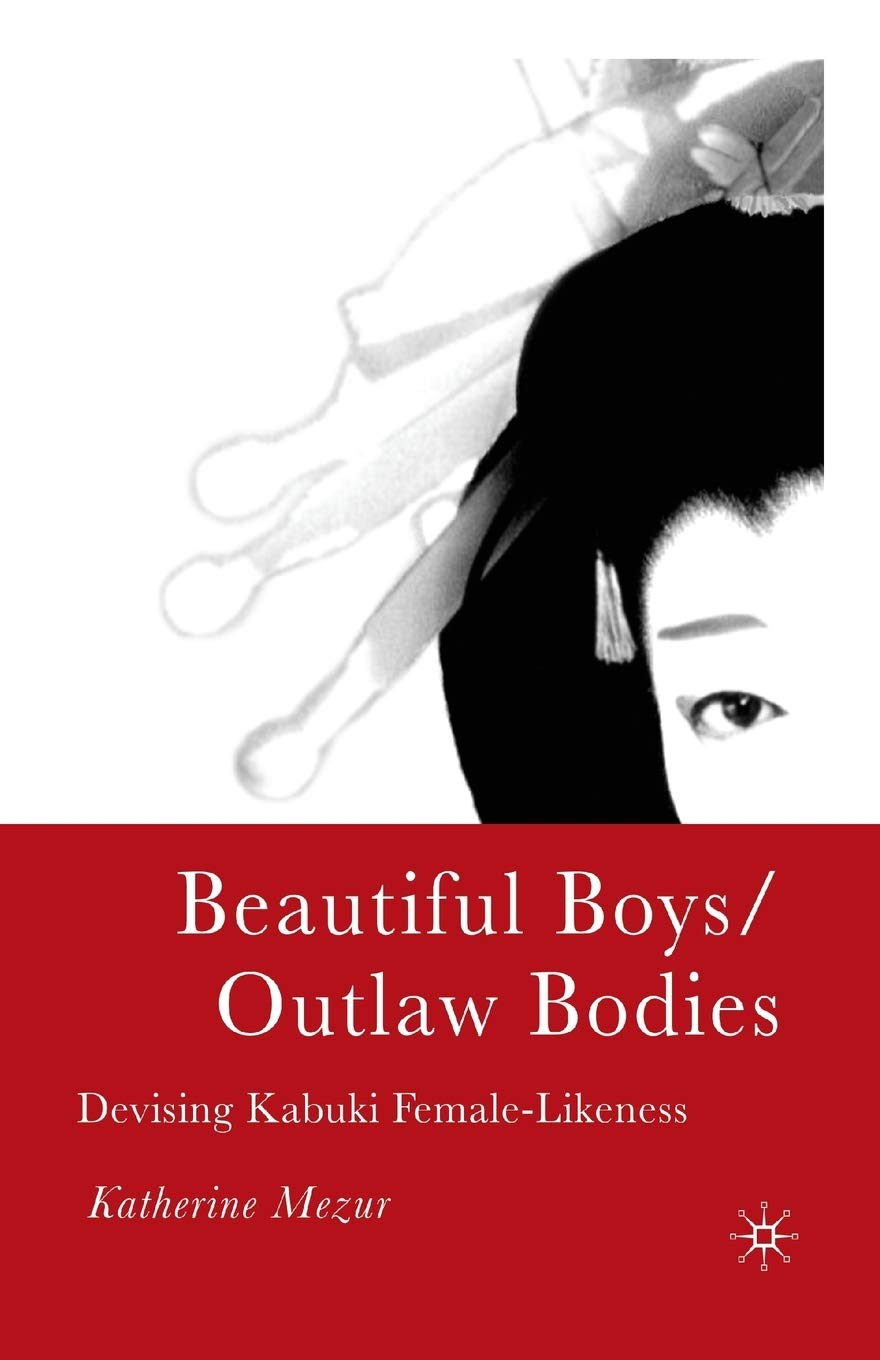
Beautiful Boys/Outlaw Bodies: Devising Kabuki Female-Likeness
Beautiful Boys/Outlaw Bodies: Devising Kabuki Female-Likeness
Price subject to change. Tap below for current.
Couldn't load pickup availability
In this review of Beautiful Boys/Outlaw Bodies: Devising Kabuki Female-Likeness the book is recommended for readers interested in gender, performance studies, and Japanese theatre history; its single biggest reason to buy is the focused feminist analysis of onnogata and the mapping of transformative gender roles across several historical periods. The author approaches Kabuki not as a narrow theatre manual but as a cultural archive, making this a thoughtful, scholarly read that bridges gender performance and historical context for an academic and curious general audience alike.
Key Features
- Feminist framework: Frames the study of onnogata through feminist theory to reveal how female-likeness was constructed and contested over time.
- Historical range: Traces developments from the seventeenth through the twentieth centuries to show continuities and shifts in performance and gender ideals.
- Close analysis: Offers detailed readings of performance practice and texts that make the transformation of gender visible and analytically rigorous.
- Cross-disciplinary approach: Moves beyond theatre arts to engage cultural history and criticism, widening its usefulness to scholars in several fields.
- Focused subject: Concentrates specifically on onnogata and female role players, providing a depth of treatment rather than a broad survey.
Who It's For
This book is best for graduate students, scholars, and informed readers interested in Kabuki theatre, gender studies, or performing arts history who want a sustained, critical study of how female-likeness was devised onstage. Theatre practitioners curious about historical role conventions will also find useful interpretive ideas to inform practice.
Readers seeking a general introduction to Kabuki performance or a richly illustrated coffee-table book should look elsewhere; the text assumes some familiarity with theatre scholarship and focuses on argument and close reading rather than broad popular background or abundant photography.
Pros & Cons
Pros
- Concentrated feminist perspective gives a clear analytical lens for understanding onnogata as a constructed role.
- Span of centuries supplies historical depth, helping readers see long-term patterns and changes.
- Cross-disciplinary analysis makes the book valuable to both theatre historians and gender studies scholars.
Cons
- The scholarly focus and assumed background may limit accessibility for casual readers seeking a general introduction.
Specifications
| Title | Beautiful Boys/Outlaw Bodies: Devising Kabuki Female-Likeness |
| Author | K. Mezur |
| Subject | Feminist reading of onnogata and gender performance |
| Scope | Seventeenth through twentieth centuries in Japan |
| Focus | Construction and performance of female role players in Kabuki |
| Audience | Scholars, students, and theatre practitioners |
Our Verdict
Beautiful Boys/Outlaw Bodies is a focused, well-argued study that repays close reading by anyone researching gender in performance or the history of Kabuki role conventions. Its scholarly depth and historical sweep make it a solid value for academic libraries and graduate courses, though readers wanting an introductory or highly visual overview may prefer other titles.
Frequently Asked Questions
Does this book cover visual materials or photographs?
The book emphasizes textual and performance analysis rather than serving as a heavily illustrated visual survey.
Is prior knowledge of Kabuki required?
Some familiarity with theatre studies or Kabuki terms is helpful because the work assumes an academic readership.
Will this book be useful for theatre practitioners?
Yes; practitioners interested in historical role-making and gendered performance will find interpretive insights relevant to staging and character study.
Editor's Take
Beautiful Boys/Outlaw Bodies is a focused, scholarly study of onnogata and the construction of female-likeness in Kabuki across several centuries, recommended for researchers and practitioners seeking deep analysis of gender performance.

Recently viewed
Recently viewed products will appear here as customers browse the store.