

Becoming Alive - Psychoanalytic Exploration of Being and Community
Becoming Alive - Psychoanalytic Exploration of Being and Community
Price subject to change. Tap below for current.
Couldn't load pickup availability
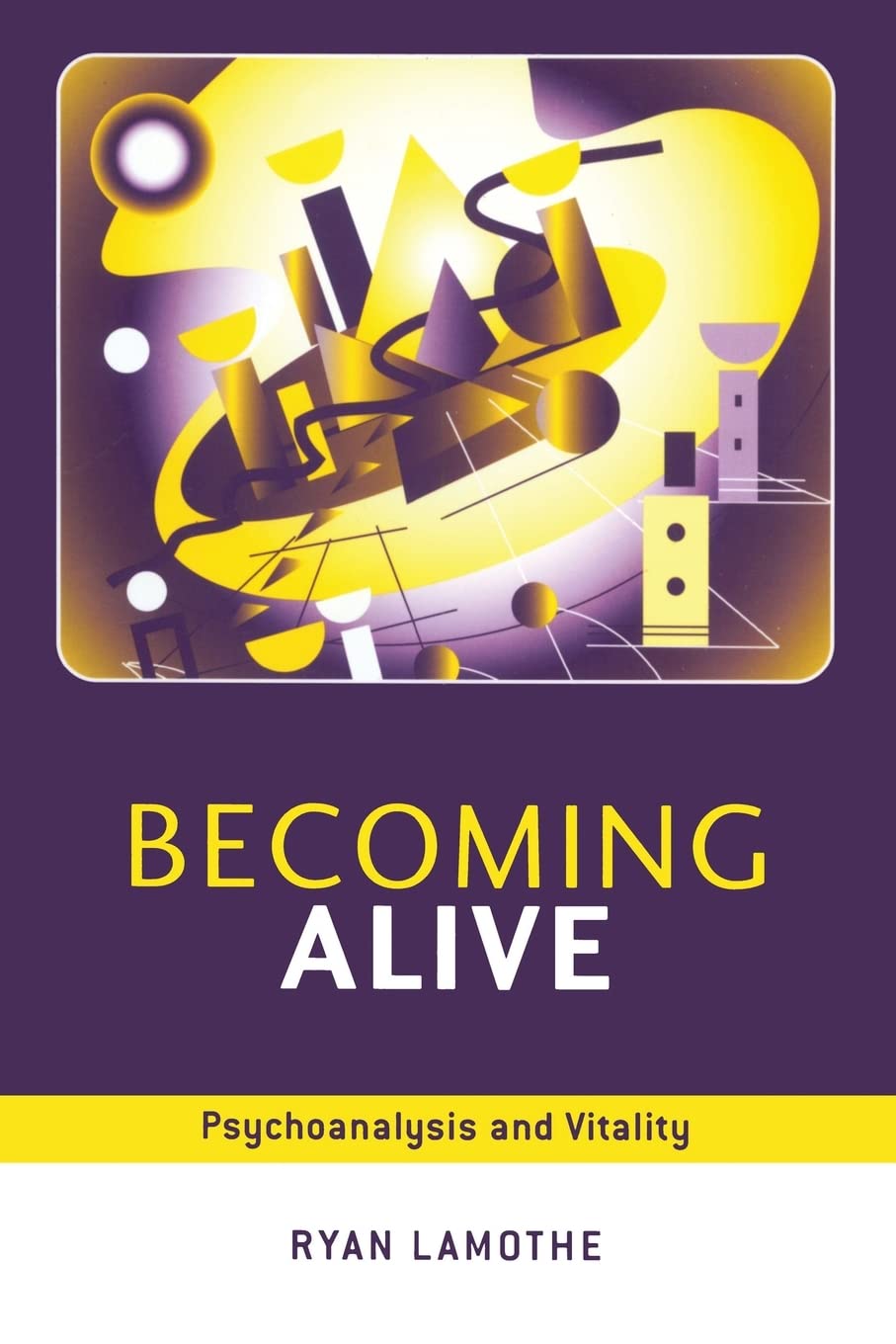
In this review of Becoming Alive, Ryan LaMothe offers a thoughtful psychoanalytic exploration aimed at clinicians, scholars, and reflective readers drawn to questions of subjectivity and social life. The book's central achievement is its sustained attempt to explain what it means to feel alive and how those experiences are shaped by culture, ritual, and relationships; readers interested in clinical illustration and theory will find its blend of clinical case material and cultural reasoning the single biggest reason to engage with the text.
Key Features
- Psychoanalytic theory: Presents a coherent account of experiences of being alive that links intrapsychic states to broader cultural narratives and practices.
- Clinical illustrations: Uses case material to clarify abstract ideas and show how the theory applies in therapeutic work.
- Focus on community: Argues that individual experience of aliveness is inseparable from cultural stories and communal rituals.
- Theoretical bridge: Offers a clear attempt to connect culture, community, and individual psychology in one sustained framework.
- Philosophical inquiry: Engages with the existential question of what it means to be real and alive in everyday life and clinical settings.
Who It's For
Becoming Alive is best for psychoanalysts, psychotherapists, psychiatry trainees, and graduate students in clinical psychology or related fields who want a theory that links clinical practice to cultural context. The emphasis on theory and clinical vignettes makes it useful for seminar discussion and reflective practice.
Those seeking a practical self-help manual, step-by-step therapy techniques, or an introductory overview of psychotherapy research should look elsewhere; this book presumes some familiarity with psychoanalytic concepts and a taste for philosophical reflection.
Pros & Cons
Pros
- Bridges clinical work and cultural analysis, offering a nuanced account of how aliveness is socially organized.
- Clinical examples enliven abstract theory, making concepts easier to apply in practice.
- Thoughtful engagement with the existential question of feeling real adds depth beyond standard textbooks.
Cons
- Not a practical skills manual, so readers wanting concrete protocols may find it limited.
Specifications
| Title | Becoming Alive |
| Author | Ryan LaMothe |
| Subject | Psychoanalytic theory and clinical practice |
| Focus | Experiences of being alive, culture, and community |
| Features | Clinical illustrations and cultural analysis |
| Intended audience | Clinicians, scholars, trainees in psychiatry and psychotherapy |
Our Verdict
Becoming Alive is a rewarding theoretical work for clinicians and students who want a deeper account of subjectivity that ties individual experience to cultural life. Its clinical vignettes and clear linking of culture and psyche make it good value for readers seeking conceptual tools rather than treatment manuals.
Frequently Asked Questions
Does this book include clinical case material?
Yes. LaMothe uses clinical illustrations throughout to demonstrate how his theory applies in practice.
Is this a practical therapy guide?
No. The book is theoretical and reflective rather than a step-by-step clinical manual.
Who will benefit most from this book?
Clinicians, psychiatry and psychotherapy trainees, and scholars interested in the intersection of culture and individual experience will gain the most.
Editor's Take
Becoming Alive is a thoughtful theoretical work that links individual experiences of being alive to culture and community; clinicians and trainees will find its clinical illustrations and cultural analysis particularly valuable.

Recently viewed
Recently viewed products will appear here as customers browse the store.