

Beginning C: From Novice to Professional - Practical C Programming
Beginning C: From Novice to Professional - Practical C Programming
Price subject to change. Tap below for current.
Couldn't load pickup availability
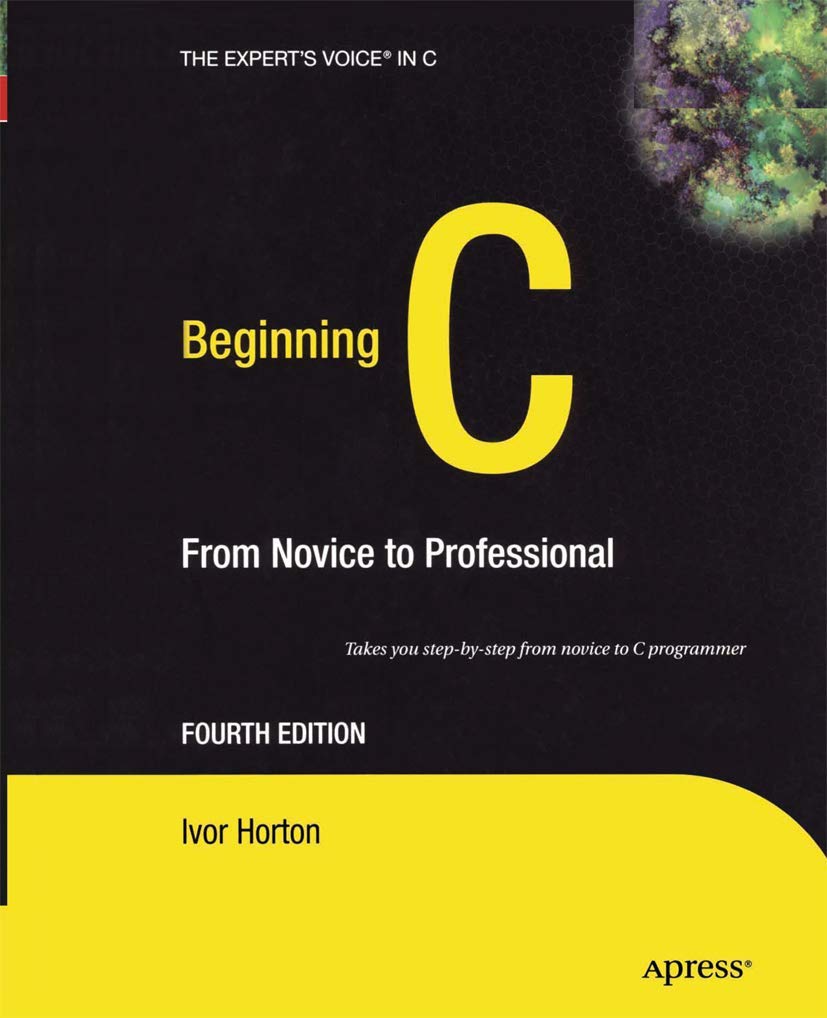
In this review of Beginning C: From Novice to Professional the bottom line is clear: this is a solid, example-driven introduction for learners who want to build practical C skills from the ground up. The book is aimed at novices and those needing a compact refresher, and its biggest strength is clear explanations paired with focused examples that illuminate core concepts like pointers and program structure. Readers who value a straightforward, academic voice and stepwise progression will find the content reliable and well organized.
Key Features
- Comprehensive chapter coverage: Chapters such as First Steps, Making Decisions and Loops provide a logical learning path that builds fundamentals before moving to advanced topics.
- Practical examples: The text uses hands-on examples that demonstrate how C is applied to tasks from text handling to low-level program structure.
- Pointers and program structure focus: Dedicated chapters on Pointers and Structuring Your Programs help readers master concepts essential for systems programming and reliable code.
- Updated fourth edition: Revisions refine explanations and keep an essential introductory text current for learners and developers seeking a brush-up.
- Compact, classroom-friendly format: The book is concise enough to use as a course text or self-study reference without excess filler.
Who It's For
Beginning C is best for students, self-taught programmers, and developers moving from higher-level languages who need to learn or refresh C fundamentals. The clear progression from basics to topics like arrays and structs makes it suitable for classroom use and individual study.
It is less suited to experienced systems programmers seeking deep, exhaustive coverage of advanced topics such as compiler internals or highly specialized optimization techniques; those readers should look for advanced or topic-specific volumes after mastering the fundamentals here.
Pros & Cons
Pros
- Well-structured chapters that make learning step-by-step straightforward.
- Helpful examples and explanations that improve comprehension of tricky topics like pointers.
- Concise format that serves as a practical refresher for working developers.
Cons
- Writing quality receives mixed feedback from some readers, so a reader may occasionally find phrasing uneven.
Specifications
| Title | Beginning C: From Novice to Professional |
| Author | Ivor Horton |
| Edition | Fourth edition |
| Primary topics | Basics, Pointers, Arrays, Strings, Program Structure |
| Intended audience | Beginners and developers needing a refresher |
| Use cases | Learning C, classroom text, self-study reference |
Our Verdict
Beginning C offers dependable, example-led instruction that makes it a good value for learners and developers who need a practical introduction to C. Its clear explanations of fundamental topics like pointers and program structure make it a recommended starting point before moving on to more specialized systems programming texts.
Frequently Asked Questions
Is this book suitable for absolute beginners?
Yes. The book starts with first steps in programming and progresses gradually through core C concepts.
Does it cover pointers in detail?
Yes. There is a dedicated chapter on Pointers designed to clarify a commonly challenging topic.
Is this a replacement for advanced C references?
No. It is a foundational text best used before consulting advanced or specialized resources.
Editor's Take
Beginning C is a dependable, example-led introduction ideal for learners and developers needing a practical refresher; its clear coverage of pointers and program structure makes it good value.

Recently viewed
Recently viewed products will appear here as customers browse the store.