

Beginning R: An Introduction to Statistical Programming - Practical R
Beginning R: An Introduction to Statistical Programming - Practical R
Price subject to change. Tap below for current.
Couldn't load pickup availability
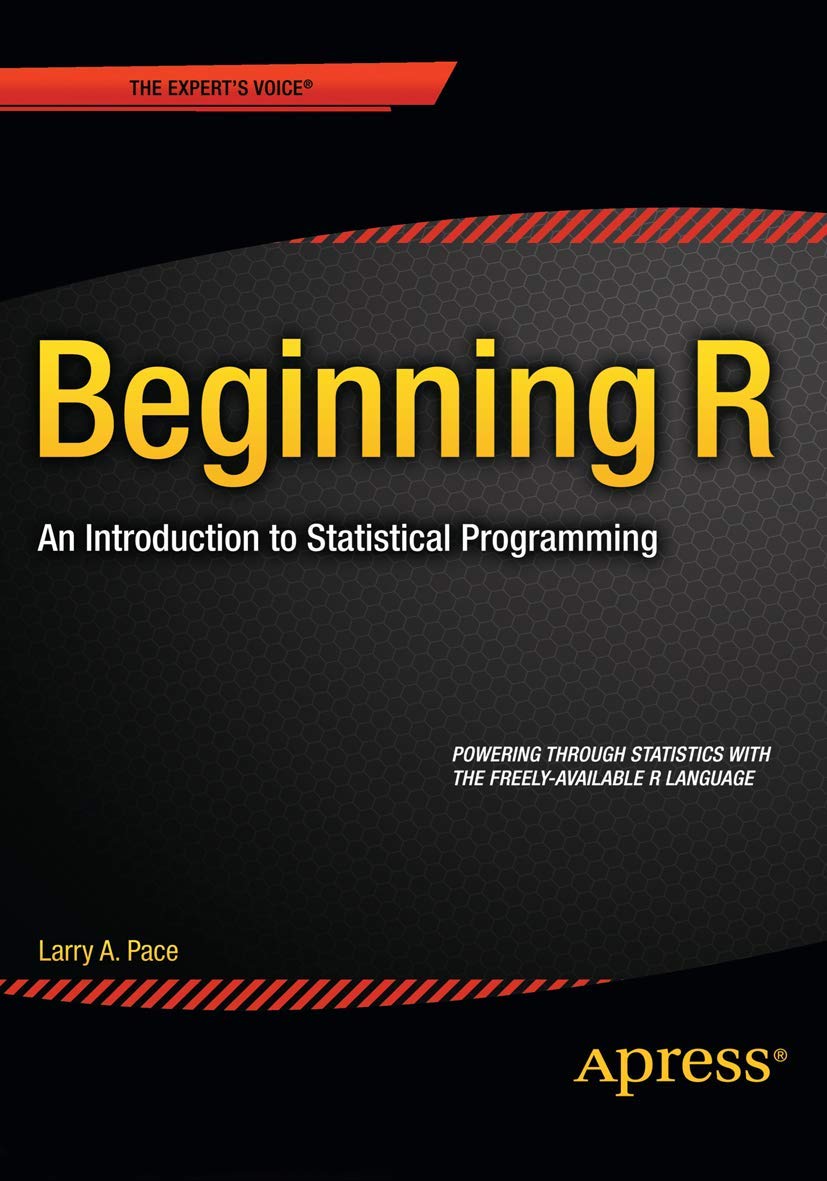
Our review of Beginning R: An Introduction to Statistical Programming finds it to be a practical, hands-on introduction to learning R for people who need a clear, task-oriented path into statistical programming. The book focuses on teaching readers how to use the R language, write and save R scripts, build and import data files, and write custom statistical functions, making it most valuable for students, researchers, and data analysts who prefer learning by doing and want a free, powerful tool without commercial licensing concerns.
Key Features
- Hands-on instruction: Step-by-step examples help the reader learn how to write and save executable R scripts to reproduce analyses.
- Data handling: Clear guidance on building and importing data files makes it easier to move real data into R for analysis.
- Custom functions: Demonstrates how to write your own statistical functions so readers can extend R to specific analysis needs.
- Practical orientation: Emphasizes doing and teaching computational statistics, so readers get applicable skills rather than only theory.
- Free software focus: Introduces R as a free, open-source implementation of S, highlighting community resources and code availability.
Who It's For
Beginning R is best for beginners in statistics or programming who prefer a practical, example-driven approach. It suits students in applied mathematics, scientists, and analysts who want to adopt R as a primary tool for computational statistics and who value learning how to script analyses and create custom functions.
Those looking for an exhaustive reference to every R package or advanced topics in machine learning should look elsewhere; this book is an introduction that emphasizes core language use, data file handling, and foundational function writing rather than an encyclopedia of packages or advanced algorithms.
Pros & Cons
Pros
- Practical, task-focused examples that make learning how to write and save R scripts straightforward.
- Useful coverage of importing and building data files so readers can work with real datasets quickly.
- Introduces writing custom statistical functions, giving readers tools to extend analyses beyond built-in routines.
Cons
- As an introductory text, it does not cover every specialized package or advanced statistical technique.
Specifications
| Title | Beginning R: An Introduction to Statistical Programming |
| Author | Larry Pace |
| Focus | Introductory R language and statistical programming |
| Approach | Hands-on examples, scripting, data import, custom functions |
| Software | R (open-source implementation of S) |
| Intended audience | Students, researchers, and applied analysts |
Our Verdict
Beginning R is a solid introductory resource for anyone who wants a practical path into statistical programming with the R language. It delivers clear instruction on scripting, data import, and custom function writing, making it good value for learners who need applied skills rather than exhaustive package coverage.
Frequently Asked Questions
Does the book teach how to import data?
Yes. It covers building and importing data files so readers can bring real datasets into R.
Is prior programming experience required?
No; the book is aimed at beginners and uses hands-on examples to teach core R concepts.
Does it cover advanced R packages?
It focuses on core language use and custom functions rather than an exhaustive review of specialized packages.
Editor's Take
Beginning R is a practical, hands-on introduction to the R language that teaches scripting, data import, and custom function writing; it is well suited to students and analysts who need applied statistical programming skills.

Recently viewed
Recently viewed products will appear here as customers browse the store.