

Being a Man: Negotiating Ancient Constructs of Masculinity - Scholarly
Being a Man: Negotiating Ancient Constructs of Masculinity - Scholarly
Price subject to change. Tap below for current.
Couldn't load pickup availability
In this review of Being a Man: Negotiating Ancient Constructs of Masculinity, the reviewer finds a rigorous, cross-cultural study best suited to students and scholars of the ancient Near East and gender history. The single biggest reason to buy is its sustained challenge to monolithic views of masculinity in antiquity, accomplished through juxtaposing texts, art, and linguistic analysis. Readers seeking careful argumentation will appreciate the book's attention to Neo-Assyrian art, omens, biblical hymnody and narrative, and comparative material from Hittite, Akkadian, and Indian epic sources.
Key Features
- Cross-cultural comparison: Brings together Neo-Assyrian, Hittite, Akkadian, Hebrew and Indian epic materials to show varied constructions of masculine identity.
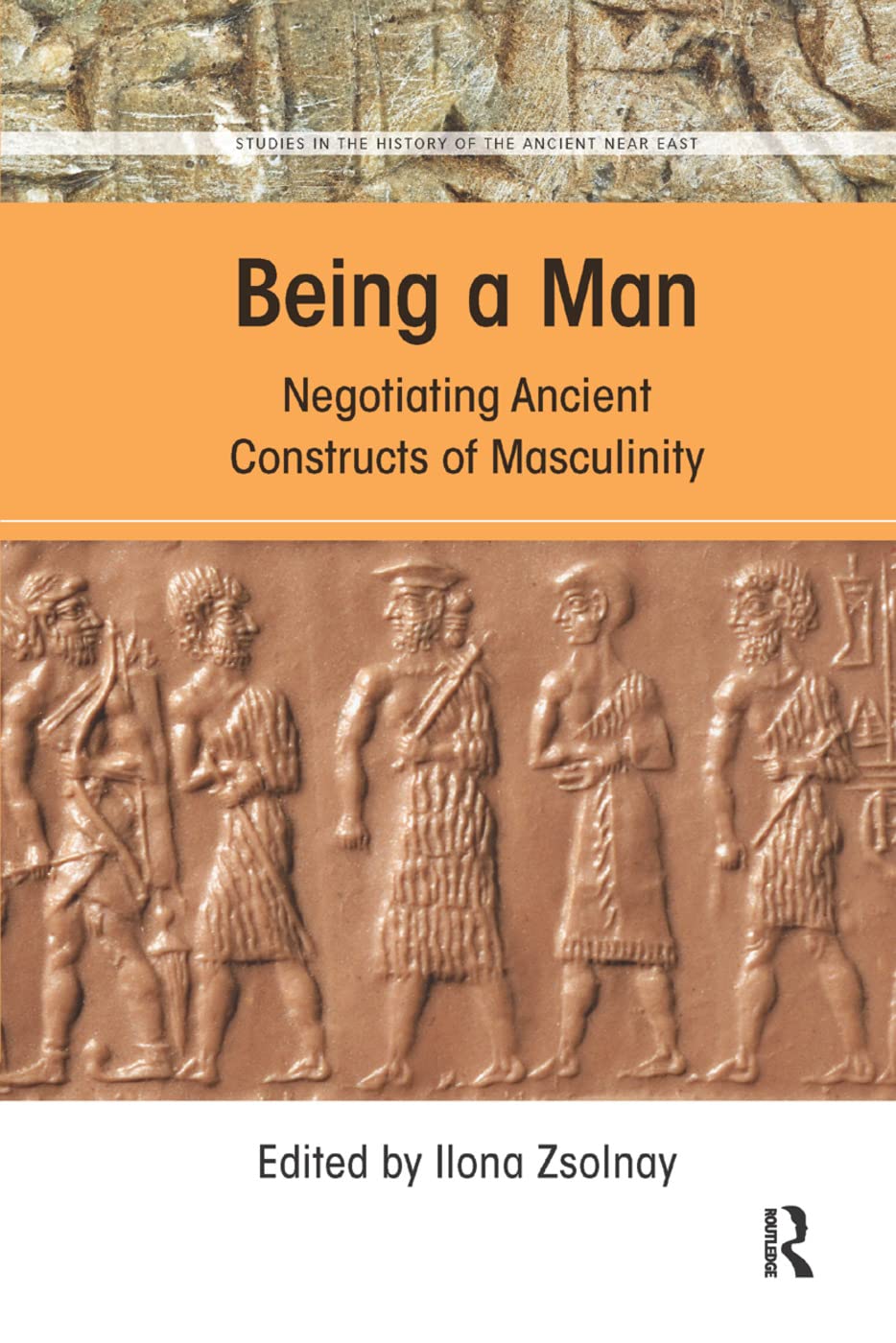
- Art and omen analysis: Uses Neo-Assyrian artistic representations and omen literature to reveal social expectations and anxieties about men.
- Textual close readings: Examines biblical hymns and narratives to demonstrate how religious texts participate in shaping masculinity.
- Linguistic study: Includes detailed linguistic work on gender and sex in Sumerian and Hebrew that clarifies how language encodes masculine roles.
- Scholarly synthesis: Challenges assumed homogeneity of ancient masculinity through coordinated evidence across media and regions.
Who It's For
This book is aimed primarily at graduate students, advanced undergraduates and researchers in ancient Near Eastern studies, biblical studies, gender history and comparative literature who want a nuanced, evidence-driven account of male identities across several ancient traditions. The sustained academic focus and detailed linguistic sections make it a strong classroom text or research reference.
Readers looking for a general audience introduction to masculinity studies or a light, popular history will probably find the book too technical at times; similarly, those seeking a modern self-help lens on masculinity should look elsewhere.
Pros & Cons
Pros
- Multi-source approach that strengthens the book s arguments by comparing diverse cultures and genres.
- Close readings of texts and art provide concrete evidence rather than speculation about ancient gender norms.
- Detailed linguistic analysis offers clarity on how language shaped conceptions of sex and gender.
Cons
- The scholarly density and technical language make it less accessible to casual readers interested in the topic.
Specifications
| Title | Being a Man: Negotiating Ancient Constructs of Masculinity |
| Series | Studies in the History of the Ancient Near East |
| Author | Ilona Zsolnay |
| Regions covered | Neo-Assyrian, Hittite, Akkadian, Hebrew, Indian epic |
| Approaches | Art history, omen literature, biblical studies, comparative linguistics |
| Intended audience | Students and scholars of ancient history and gender studies |
Our Verdict
Being a Man is a substantial, well-argued contribution for readers who need a nuanced, evidence-rich account of ancient masculinities. Its comparative scope and linguistic detail make it especially valuable for graduate courses and research libraries, though its academic register limits casual readability. For its target audience it represents good value as a durable scholarly resource.
Frequently Asked Questions
Does this book focus on one culture?
The study compares multiple cultures, including Neo-Assyrian, Hittite, Akkadian, Hebrew and Indian epic, rather than concentrating on a single society.
Is the book suitable for undergraduate courses?
Yes, it can be used in advanced undergraduate or graduate courses, though instructors should note the technical linguistic sections.
Does the author use visual material?
Yes, Neo-Assyrian artistic representations are discussed alongside textual and omen sources to support the arguments.
Editor's Take
Being a Man is a substantial, evidence-rich study that challenges homogenous views of ancient masculinity; ideal for graduate students and researchers despite a dense academic style.

Recently viewed
Recently viewed products will appear here as customers browse the store.