

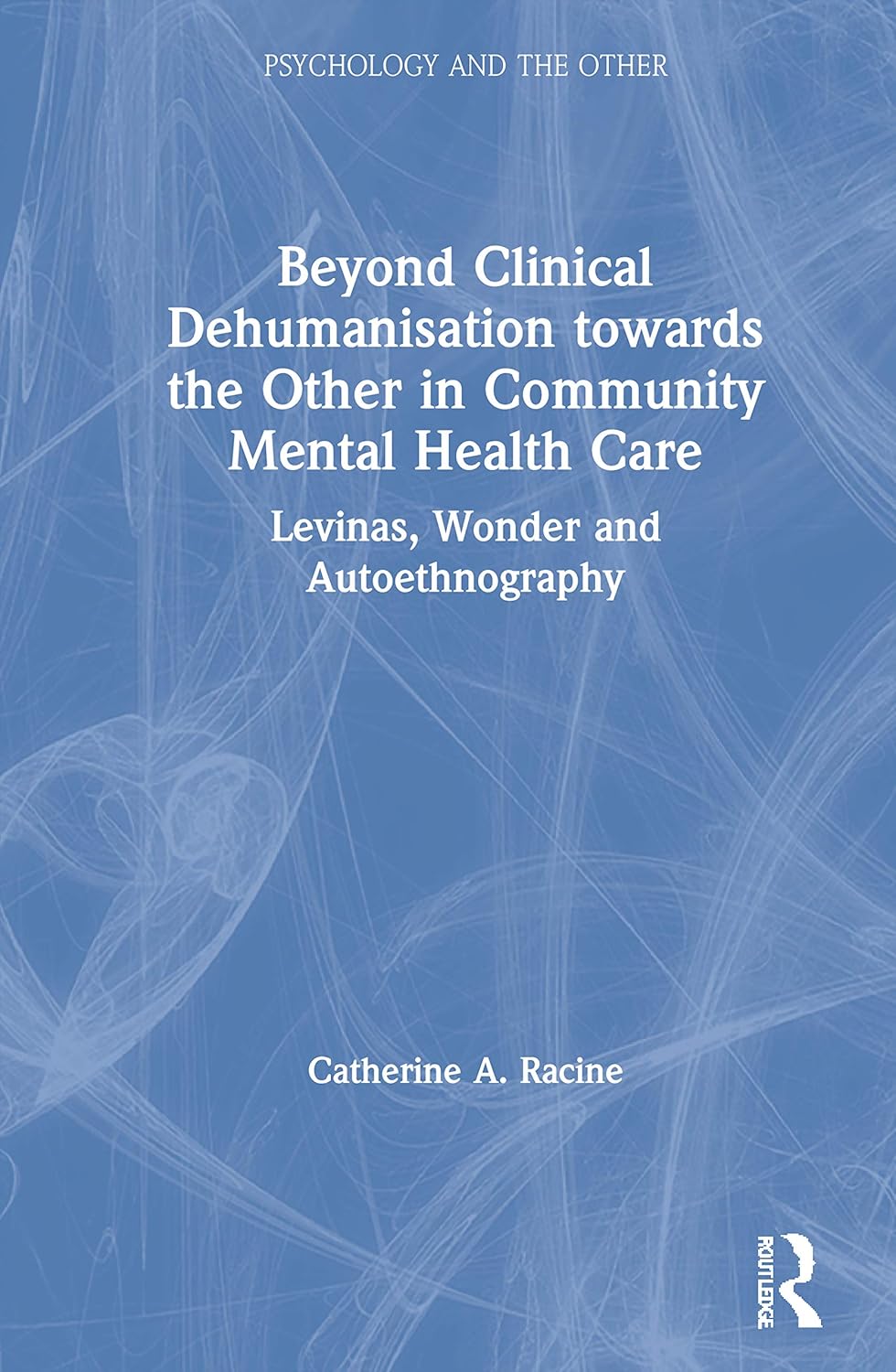
Beyond Clinical Dehumanisation Toward the Other in Community Mental
Beyond Clinical Dehumanisation Toward the Other in Community Mental
Price subject to change. Tap below for current.
Couldn't load pickup availability
In this review of Beyond Clinical Dehumanisation Toward the Other in Community Mental Health Care the bottom line is clear: this is a thoughtful, interdisciplinary examination aimed at clinicians, researchers and advanced students who want to confront systemic objectification in community mental health. Catherine A. Racine traces the moral development of a clinician and proposes the ethical concept of wonder and the relational philosophy of Emmanuel Levinas as pathways to rehumanise care. The book stands out for its intimate voice and its attempt to bridge psychology, community practice and moral philosophy in an accessible yet rigorous way.
Key Features
- Interdisciplinary approach: Brings together community mental health care, psychology and philosophy to challenge prevailing reductive perspectives.
- Moral focus: Examines the clinician's moral process to highlight how everyday practice can perpetuate or resist dehumanisation.
- Levinasian ethics: Uses Emmanuel Levinas's relational ethics as a practical lens for reimagining therapeutic relationships.
- Qualitative insight: Offers an intimate, narrative-driven portrayal that clarifies abstract ethical ideas through clinical reflection.
- Transdisciplinary aspirations: Intends to contribute to a therapeutic conversation that transcends disciplinary boundaries and dominant discourse.
Who It's For
This book is best suited for community mental health clinicians, clinical psychologists and graduate students interested in ethics, therapeutic practice and critical theory. Readers who appreciate reflective, philosophy-informed writing will find the author's interrogation of systemic issues and the concrete emphasis on relational ethics particularly valuable.
Those seeking a practical how-to manual for treatment techniques or a textbook of standardized interventions should look elsewhere; this is a conceptual and ethical inquiry rather than a step-by-step clinical protocol.
Pros & Cons
Pros
- Integrates philosophy and clinical reflection to offer a novel ethical frame for practice.
- Raises awareness of systemic dehumanisation with clarity and compassionate attention to the clinician's role.
- Encourages reflective practice through discussion of wonder and relational presence.
Cons
- Not a practical treatment guide; readers wanting specific clinical techniques may find the focus too theoretical.
Specifications
| Title | Beyond Clinical Dehumanisation Toward the Other in Community Mental Health Care |
| Series | Psychology and the Other |
| Author | Catherine A. Racine |
| Subject focus | Community mental health care, ethics, psychology |
| Approach | Interdisciplinary and transdisciplinary with Levinasian ethics |
| Perspective | Moral and relational analysis of clinical practice |
Our Verdict
Beyond Clinical Dehumanisation is a valuable, conceptually rich work for clinicians and scholars who want to challenge objectifying tendencies in community mental health. Its strength is the ethical reframing of practice using relational philosophy, making it well worth reading for those committed to more humane, reflective care.
Frequently Asked Questions
Is this book practical for day-to-day clinical work?
Answer. It is primarily conceptual and ethical; it supports reflective practice rather than offering specific treatment protocols.
Who is the author and what perspective does she bring?
Answer. Catherine A. Racine writes from a clinician-scholar perspective, combining clinical reflection with philosophical resources like Levinasian ethics.
Does it address systemic issues in community mental health?
Answer. Yes, the book interrogates systemic dehumanisation and proposes relational and moral remedies to transform practice.
Editor's Take
Beyond Clinical Dehumanisation is a conceptually rich, ethics-driven work for clinicians and scholars seeking to counter systemic objectification in community mental health; it reframes practice through relational philosophy rather than offering clinical protocols.

Recently viewed
Recently viewed products will appear here as customers browse the store.