

Big Band Jazz in Black West Virginia, 1930-1942 - Historical Jazz
Big Band Jazz in Black West Virginia, 1930-1942 - Historical Jazz
Price subject to change. Tap below for current.
Couldn't load pickup availability
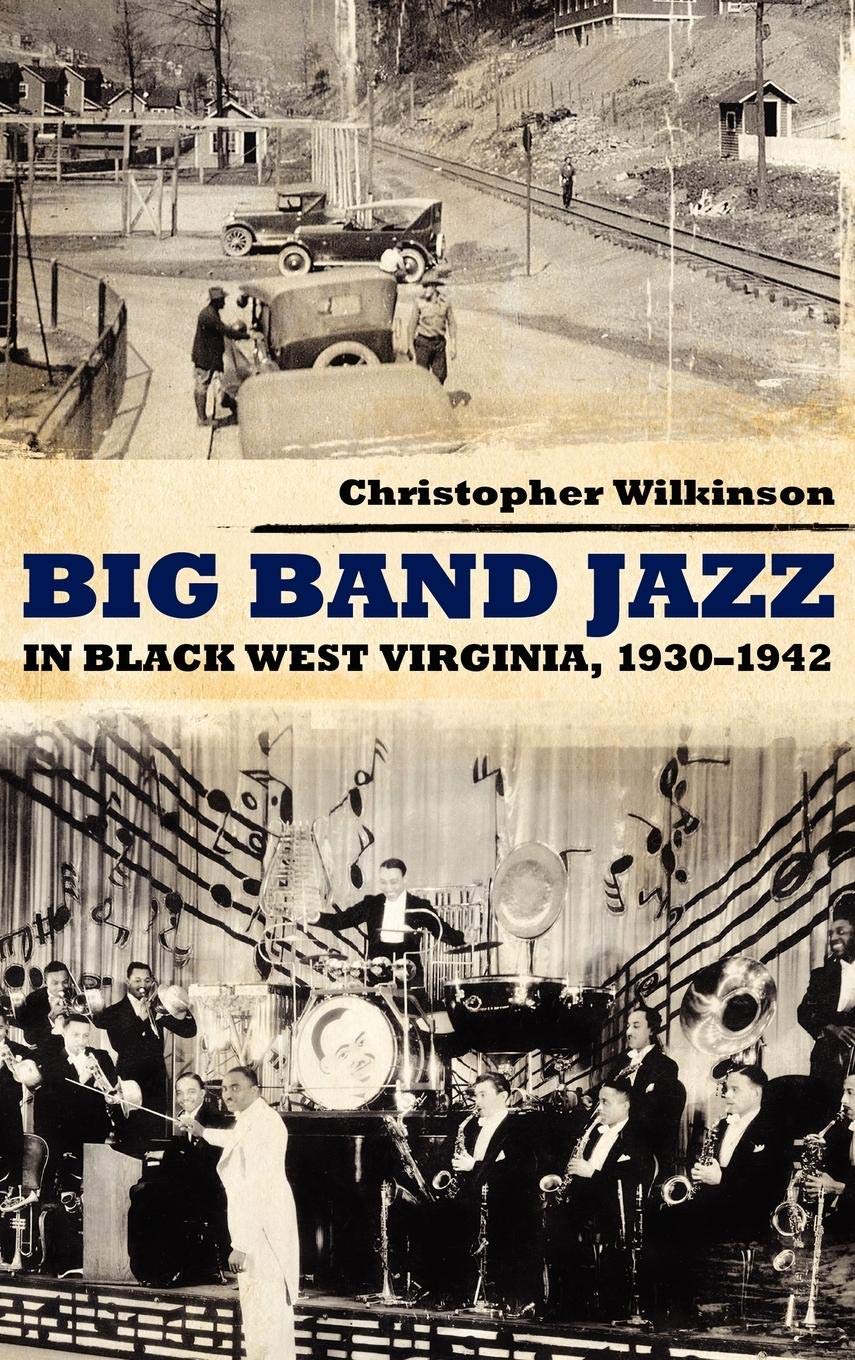
In this review of Big Band Jazz in Black West Virginia, 1930-1942 the reviewer finds a focused, well-researched cultural history aimed at readers who want to understand the surprising popularity of big band jazz in Appalachian coalfields. The book is best for scholars, students, and serious music fans who value archival detail and documented touring patterns; its single biggest reason to buy is the way it overturns expectations by showing sustained, documented African American audiences for major bands during the Depression era.
Key Features
- Documented research: The book provides archival evidence and citations that illuminate touring routes and performances in West Virginia, making the narrative reliable for study.
- Focused timeframe: Covering 1930 to 1942 gives a clear historical window that helps readers trace changes in bookings and audiences before World War II.
- Profiles of major bands: Accounts of Count Basie, Duke Ellington, Andy Kirk, Jimmie Lunceford, and Chick Webb place national names in a regional context for meaningful comparison.
- Cultural perspective: The author emphasizes the African American coalfield communities that supported jazz, offering insight into local social life and travel patterns.
- Award-recognized work: The book received archival awards and a certificate of merit, indicating professional recognition for its research quality.
Who It's For
Big Band Jazz in Black West Virginia is ideal for readers in African American studies, cultural history, musicology, and for local historians interested in Appalachian social life. Graduate students and researchers will appreciate the documented tours and contextual analysis that support further scholarship.
Readers seeking a light introduction to jazz or a general popular history might find the level of archival detail dense; those audiences should look for broader narrative overviews rather than this concentrated research volume.
Pros & Cons
Pros
- Deep archival research that documents performances and audiences, making it a strong resource for scholars.
- Places nationally known bandleaders into a regional story, enhancing understanding of touring networks.
- Explores social dynamics in West Virginia coalfields, shedding light on African American cultural life.
Cons
- The book's detailed, research-focused style may be dense for casual readers who prefer broader narrative histories.
Specifications
| Title | Big Band Jazz in Black West Virginia, 1930-1942 |
| Author/Brand | Christopher Wilkinson |
| Subject | History of jazz and African American cultural life in West Virginia |
| Time period covered | 1930 to 1942 |
| Awards | Association of Recorded Sound Collections Awards for Excellence; Certificate of Merit (2013) |
| Focus | Big band tours and African American audiences in coalfield communities |
Our Verdict
For specialists and serious readers interested in the intersection of jazz history and regional African American culture, this book is a valuable, well-documented resource. Its archival depth and focused timeframe make it good value for research and classroom use, though casual readers should be prepared for a scholarly tone.
Frequently Asked Questions
Does this book focus on named bandleaders?
The book discusses touring by major figures such as Count Basie, Duke Ellington, Andy Kirk, Jimmie Lunceford, and Chick Webb to illustrate broader patterns.
Is the research recognized?
Yes; the work received an Awards for Excellence and a Certificate of Merit in 2013, reflecting professional recognition of its research quality.
Is this suitable for general readers?
It is most suitable for scholars and students; casual readers may find the archival detail dense but still informative.
Editor's Take
A well-documented, archival study that demonstrates how big band jazz found substantial African American audiences in West Virginia between 1930 and 1942; recommended for scholars and serious music historians.

Recently viewed
Recently viewed products will appear here as customers browse the store.