

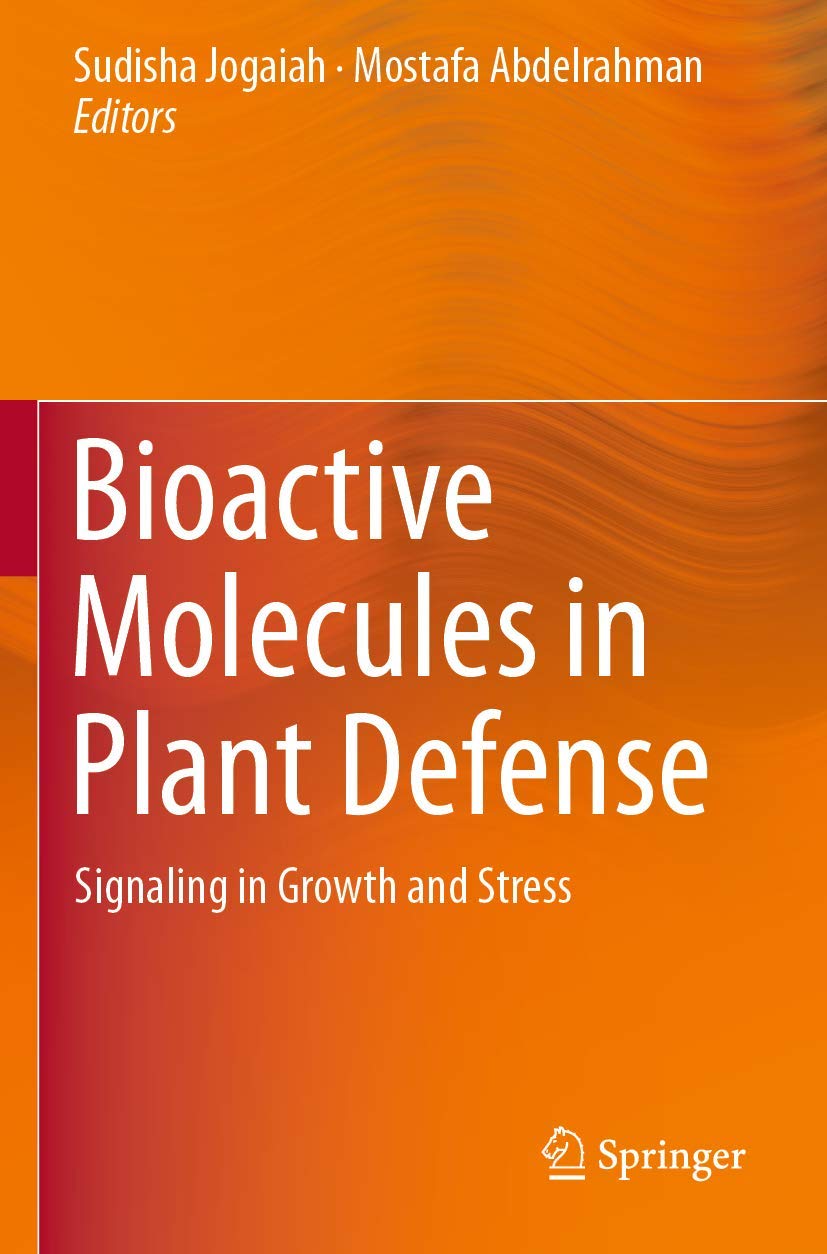
Bioactive Molecules in Plant Defense: Signaling in Growth and Stress
Bioactive Molecules in Plant Defense: Signaling in Growth and Stress
Price subject to change. Tap below for current.
Couldn't load pickup availability
In this review of Bioactive Molecules in Plant Defense: Signaling in Growth and Stress the reviewer finds a focused, research-oriented reference for postgraduate students and researchers. The book's single biggest strength is its clear emphasis on cellular and chemical signaling mechanisms that underpin plant responses during growth and stress, making it particularly useful as a synthesis of current thinking rather than a beginner textbook. This review explains who benefits most from the volume and why its treatment of plant-microbe networks and nutritional interactions stands out.
Key Features
- Signaling focus: The book provides a concentrated overview of signaling molecules involved in plant defense, helping readers follow how signals translate into cellular responses during stress.
- Expert authorship: Written by established researchers, the chapters compile current understanding and cite relevant studies useful for advanced study and citation.
- Plant-microbe networks: Coverage of the gene-to-metabolite network of plant-microbe interactions clarifies complex biochemical pathways and practical implications for crop health.
- Growth and stress balance: The text addresses signaling roles during both growth and stress, so readers can compare adaptive responses across developmental stages.
- Applied angle: Discussion of how nutritional deficiency affects crop production links molecular detail to real-world agricultural challenges and sustainable practice.
- Companion volume integration: Paired with the companion volume on saponins, the book forms part of a larger resource set for in-depth study of bioactive plant compounds.
Who It's For
This volume is best suited to postgraduate students, researchers in plant pathology, mycology and sustainable agriculture, and advanced practitioners who need a compact synthesis of signaling mechanisms in plant defense. The focus on molecular signaling and gene-to-metabolite relationships makes it a strong reference for literature reviews and study design.
Undergraduate students or casual readers seeking an introductory overview of plant biology may find the level of detail dense; similarly, growers seeking step-by-step field protocols should look for more applied extension guides rather than this theoretical, research-led text.
Pros & Cons
Pros
- Comprehensive focus on molecular and chemical signaling provides clarity on complex defensive pathways.
- Authored by specialists, offering authoritative context and connections to current research.
- Practical discussion of nutritional deficiency links molecular insights to crop production concerns.
Cons
- Not a beginner textbook; the content assumes prior familiarity with molecular plant science.
- As a research-oriented volume, it contains less stepwise practical guidance for on-farm implementation.
Specifications
| Title | Bioactive Molecules in Plant Defense: Signaling in Growth and Stress |
| Authors | Sudisha Jogaiah, Mostafa Abdelrahman |
| Subject focus | Signaling molecules, plant defense, growth and stress |
| Disciplines | Plant pathology, mycology, sustainable agriculture |
| Companion work | Bioactive Molecules in Plant Defense: Saponins |
| Intended audience | Postgraduate students and researchers |
Our Verdict
Bioactive Molecules in Plant Defense is a concise, expert-led reference that rewards readers who need a molecular perspective on plant defense and plant-microbe interactions. It is good value for postgraduate researchers and specialists because it synthesizes signaling, gene-to-metabolite networks, and nutritional effects in one focused volume, though novices may prefer a more introductory text.
Frequently Asked Questions
Does this book cover practical crop management tips?
Answer. The book emphasizes molecular signaling and research insights rather than step-by-step field protocols, so it links to practice mainly through discussion of nutritional effects and applied implications.
Is prior technical knowledge required?
Answer. Yes; the text is aimed at postgraduate and researcher audiences and assumes familiarity with basic molecular plant science concepts.
Should this be read with another volume?
Answer. It pairs well with the companion volume on saponins for a broader view of bioactive compounds in plant defense.
Editor's Take
A concise, expert-led reference that synthesizes signaling, gene-to-metabolite networks, and nutritional effects for postgraduate researchers; valuable for molecular perspectives but not for beginners.

Recently viewed
Recently viewed products will appear here as customers browse the store.