

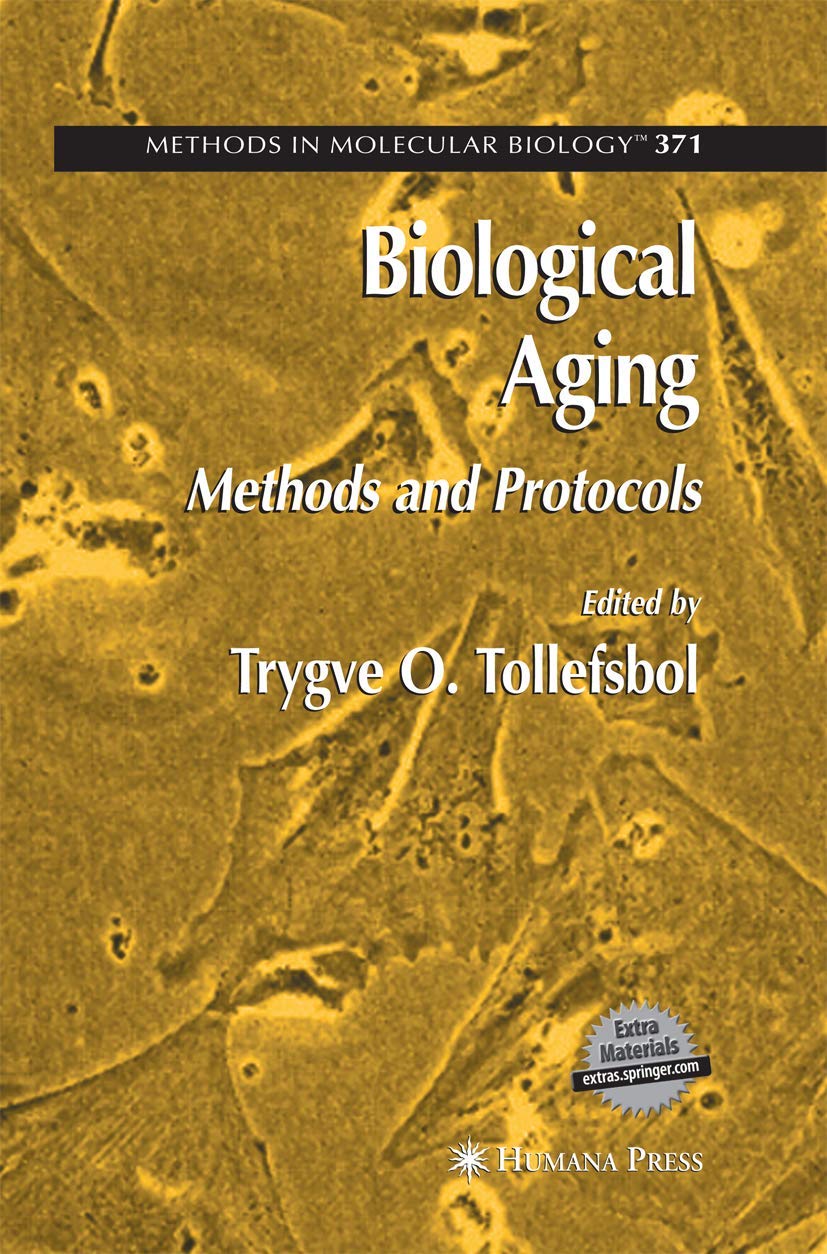
Biological Aging: Methods and Protocols - Practical Laboratory Guide
Biological Aging: Methods and Protocols - Practical Laboratory Guide
Price subject to change. Tap below for current.
Couldn't load pickup availability
Our review of Biological Aging: Methods and Protocols finds it a focused laboratory resource for researchers and advanced students seeking practical techniques tied directly to the study of aging. It is best for readers who want method-level detail rather than a general overview; the single biggest reason to buy is that this volume collects both established protocols and newer tools aimed at measuring and intervening in cellular and molecular processes associated with age. The tone throughout is technical and procedural, making it a useful bench reference for work in cell biology and experimental aging studies.
Key Features
- Comprehensive methods: The book gathers protocols that cover basic assays for understanding the fundamental mechanisms of cellular aging, so a lab can reproduce essential experiments.
- Cutting-edge techniques: It includes newer tools introduced recently to analyze biological aging, which helps researchers adopt promising approaches without searching disparate sources.
- Intervention approaches: Chapters describe techniques used to intervene in the aging process, supporting experimental design for testing anti-aging strategies.
- Molecular analysis focus: The volume provides approaches to analyzing many molecular processes of biological aging, enabling detailed biochemical and genetic investigations.
- Curated selection: Editors selected topics considered mainstays or likely to revolutionize the field, which keeps the content targeted and relevant for active researchers.
Who It's For
Biological Aging: Methods and Protocols is aimed at graduate students, postdocs, and principal investigators who need practical, reproducible laboratory procedures in biological aging research. It is particularly valuable for teams setting up assays for cellular senescence, molecular markers of age, or intervention studies where protocol detail matters.
It is less suitable for casual readers or undergraduates looking for an introduction to aging biology; the text assumes technical background and focuses on methods rather than broad conceptual review. Those seeking a high-level textbook should look elsewhere.
Pros & Cons
Pros
- Consolidates both established and new laboratory protocols in one volume, saving literature search time.
- Practical focus on methods makes it directly applicable at the bench for experimental work.
- Editors prioritized topics with strong relevance, which improves the signal-to-noise for researchers.
Cons
- Technical depth and procedural emphasis mean it is not ideal as a conceptual primer for beginners.
Specifications
| Title | Biological Aging: Methods and Protocols |
| Series | Methods in Molecular Biology, 371 |
| Editor / Author | Trygve O. Tollefsbol |
| Focus areas | Cellular aging methods; intervention techniques; molecular process analysis |
| Content type | Laboratory protocols and methods |
| Intended audience | Researchers, graduate students, laboratory practitioners |
Our Verdict
For researchers and experienced trainees who need a practical compendium of protocols, this volume offers good value by bringing together both time-tested and newer techniques relevant to biological aging. It is a worthwhile bench companion for labs focused on cellular and molecular studies of aging, though novices seeking conceptual textbooks should pair it with broader overviews.
Frequently Asked Questions
Does this book provide step-by-step laboratory protocols?
Yes. The volume presents protocols and methods intended to be reproducible in a laboratory setting.
Who edited this volume?
The book is edited by Trygve O. Tollefsbol, who curated topics central to experimental aging research.
Is this suitable for beginners?
It is designed for readers with laboratory experience; beginners may find it too technical without a conceptual primer.
Editor's Take
This volume is a practical compendium of protocols for researchers in cellular and molecular aging, offering both established and newer techniques that make it a valuable bench reference for experienced labs.

Recently viewed
Recently viewed products will appear here as customers browse the store.