

Biomass Preprocessing and Pretreatments for Production of Biofuels
Biomass Preprocessing and Pretreatments for Production of Biofuels
Price subject to change. Tap below for current.
Couldn't load pickup availability
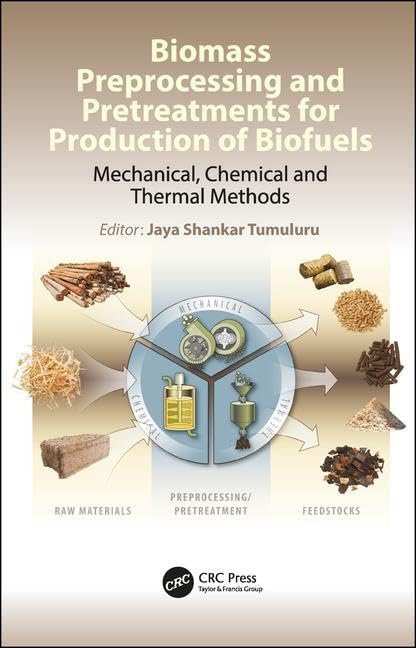
In this review of Biomass Preprocessing and Pretreatments for Production of Biofuels, the bottom line is clear: this book is a focused engineering reference for researchers and practitioners who need a practical synthesis of how mechanical, chemical, and thermal treatments alter lignocellulosic feedstocks. The author emphasizes real impacts on biomass physical and chemical properties and on conversion performance, making it most useful for process engineers, laboratory scientists, and plant designers seeking guidance on preprocessing strategies rather than a high-level policy overview.
Key Features
- Comprehensive treatment types: Explains mechanical, chemical, and thermal preprocessing methods and how each changes biomass behavior during conversion.
- Quality-focused approach: Shows how preprocessing can reduce feedstock variability and improve consistency for solid and liquid biofuel production.
- Conversion performance link: Connects preprocessing choices to improved efficiency and performance in downstream bioenergy and biopower technologies.
- Intermediate product concept: Defines preprocessing as remote treatments that generate higher-value intermediates suitable for transport and storage.
- Practical engineering perspective: Emphasizes measurable changes in physical and chemical properties relevant to plant operators and technologists.
Who It's For
This book is aimed at engineers, researchers, and technical managers working in biofuels, biopower, and biomass supply chain development who need an engineering-centric review of preprocessing options and their effects on feedstock specifications. It is particularly useful for those evaluating how to retrofit pretreatment steps or develop supply chains that require stable, high-quality intermediates.
Readers seeking an introductory overview of renewable energy policy or a general audience primer should look elsewhere, since the emphasis here is on engineering details, physical and chemical biomass attributes, and conversion performance rather than broad market or regulatory coverage.
Pros & Cons
Pros
- Detailed comparison of mechanical, chemical, and thermal preprocessing methods and their practical impacts on biomass.
- Clear focus on improving feedstock quality and reducing variability to benefit conversion technologies.
- Useful framing of preprocessing as a way to produce higher-value intermediates for transport and storage.
Cons
- The book is technical and assumes background in biomass engineering, so it may be dense for nontechnical readers.
Specifications
| Title | Biomass Preprocessing and Pretreatments for Production of Biofuels |
| Primary focus | Mechanical, chemical, and thermal preprocessing methods |
| Subject area | Lignocellulosic biomass engineering and conversion |
| Application | Solid and liquid biofuels and biopower production |
| Approach | Engineering perspective on physical and chemical properties |
| Author | Jaya Shankar Tumuluru |
Our Verdict
For engineers and technical teams focused on improving biomass conversion through preprocessing, this book is a concise, practical resource that links treatment methods to measurable changes in feedstock quality and conversion efficiency. It represents good value for technical readers who need actionable insight on creating intermediates and reducing variability in biofuel supply chains.
Frequently Asked Questions
Does this book cover chemical pretreatments in detail?
Yes. It examines chemical preprocessing alongside mechanical and thermal methods and explains their effects on chemical composition and conversion.
Is the content suitable for plant operators?
Yes. The engineering focus and attention to physical properties make it directly relevant to operators and technologists planning preprocessing steps.
Will it help with supply chain design?
It addresses preprocessing as a way to produce intermediate products for transport and storage, which is useful when evaluating supply chain options.
Editor's Take
A practical, engineering-focused guide that links mechanical, chemical, and thermal preprocessing methods to measurable improvements in biomass feedstock quality and conversion efficiency, ideal for engineers and technologists.

Recently viewed
Recently viewed products will appear here as customers browse the store.