

Biomechanics: Motion, Flow, Stress, and Growth - Classic Biomechanics
Biomechanics: Motion, Flow, Stress, and Growth - Classic Biomechanics
Price subject to change. Tap below for current.
Couldn't load pickup availability
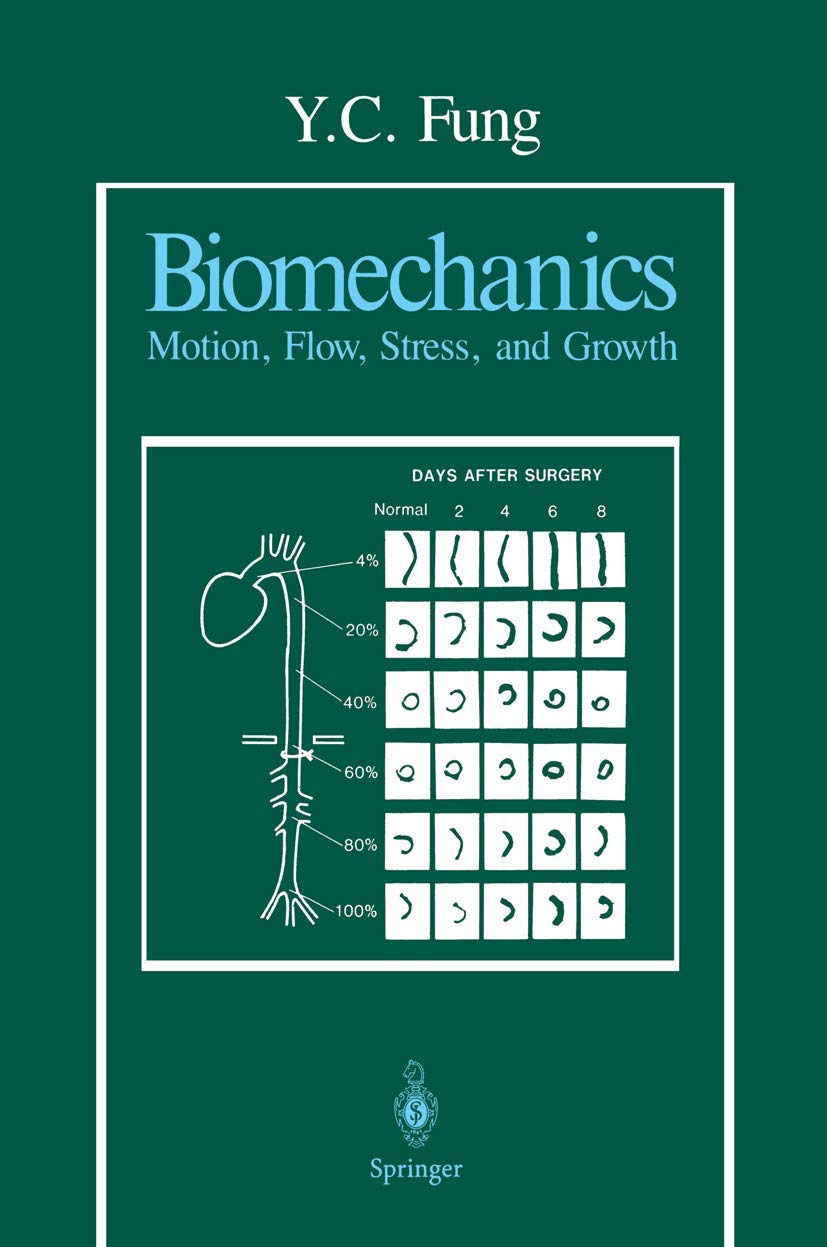
In this review of Biomechanics: Motion, Flow, Stress, and Growth, the reviewer finds a thoughtful, engineering-first treatment of living systems that will appeal to students and practitioners who want mechanics applied to biology. The book's biggest strength is its clear statement that life obeys the laws of mechanics and that the engineer's method-observation, experimentation, theorization, validation, and application-yields real insight into biological form and function. This review highlights why the text serves as a practical bridge between biology and engineering rather than a purely theoretical survey.
Key Features
- Comprehensive scope: Covers mechanics from molecules to whole organisms so readers can connect material properties to large-scale biological behavior.
- Engineering method focus: Emphasizes observation, experimentation, theorization, validation, and application to make biomechanics a usable tool for design.
- Clarification of mechanics: Uses mechanical principles to explain biological phenomena, helping readers see how form follows mechanical constraints.
- Practical design orientation: Frames biomechanics as a tool for invention and device development aimed at improving quality of life.
- Educational value: Sensitizes readers to observe nature and think quantitatively about biological structures and processes.
Who It's For
The book is best for bioengineering students, practicing engineers who want a rigorous introduction to living systems, and researchers seeking a mechanics-based perspective on biology. Its approach suits readers who appreciate an engineering framework and who want to apply mechanical reasoning to problems in physiology, prosthetics, or biomimetic design.
It is less suitable for readers seeking a casual popular science narrative or a heavily mathematical textbook focused on derivations; those audiences should look elsewhere for more mathematical rigor or lighter, nontechnical overviews.
Pros & Cons
Pros
- Clear link between geometry, material properties, and biological function makes applied problems approachable.
- Emphasis on the engineering method gives readers a practical roadmap for research and device design.
- Broad coverage from molecules to organisms provides useful context for interdisciplinary work.
Cons
- Not a light read; the engineering orientation can feel dense for readers expecting a popular account.
Specifications
| Title | Biomechanics: Motion, Flow, Stress, and Growth |
| Author | Y.C. Fung |
| Scope | Mechanics of life from molecules to organisms |
| Approach | Observation, experimentation, theorization, validation, application |
| Primary focus | Mechanical principles applied to biology and design |
| Intended audience | Students and engineers in bioengineering and related fields |
Our Verdict
Biomechanics: Motion, Flow, Stress, and Growth is a valuable, engineering-minded introduction to the mechanics of life that rewards readers who want practical tools for design and analysis. It is good value for students and professionals seeking a clear, application-focused treatment of how geometry, materials, and mechanics shape biological systems.
Frequently Asked Questions
Is this book suitable for engineers new to biology?
Yes. The text frames biological problems in engineering terms and outlines a method that engineers can apply to living systems.
Does the book cover experimental methods?
It emphasizes experimentation as part of the engineering method, pairing observation with theorization and validation rather than listing laboratory protocols.
Will it help with device design?
Yes. The author positions biomechanics as a tool for invention and improving quality of life, making it useful for applied design work.
Editor's Take
Biomechanics is an engineering-focused guide that links geometry, material properties, and mechanics across scales; it is especially useful for students and professionals seeking practical tools for biological design and analysis.

Recently viewed
Recently viewed products will appear here as customers browse the store.