

Birth as an American Rite of Passage - Cultural Critique of Obstetric
Birth as an American Rite of Passage - Cultural Critique of Obstetric
Price subject to change. Tap below for current.
Couldn't load pickup availability
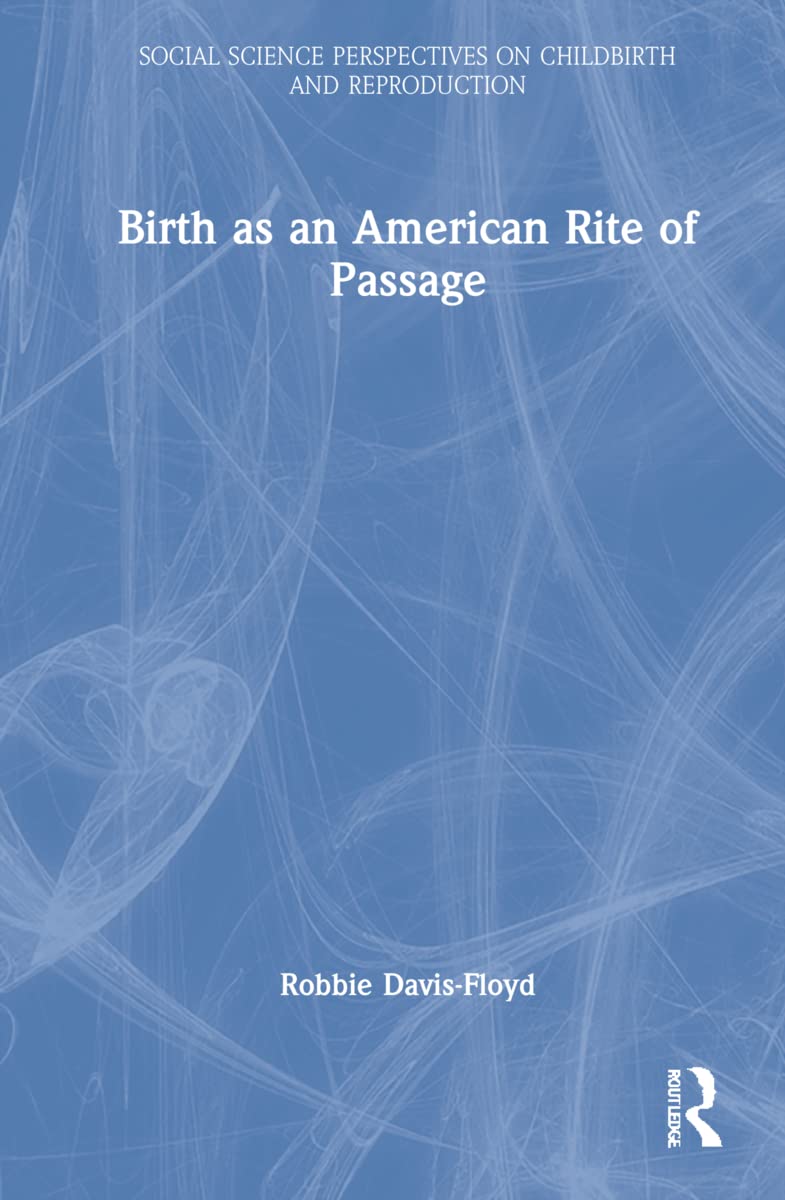
Our review of Birth as an American Rite of Passage finds it essential reading for anyone who wants a deeper, critical understanding of how routine obstetric practices gain power in the United States. Robbie Davis-Floyd argues that many standard interventions around labor and birth function as social rituals rather than evidence-based medical necessities, and this edition pulls together decades of scholarship into a clear, readable critique. For birth practitioners, researchers, and activists seeking a framework to analyze and change hospital culture, this book offers both historical context and conceptual tools.
Key Features
- Ritual framework: Presents the thesis that common obstetric procedures act as rituals that reinforce the values of the American technocracy, giving readers a new lens to evaluate clinical practice.
- Historical perspective: Traces the development of technocratic models of childbirth, helping readers understand how current norms were established over time.
- Cross-disciplinary insights: Brings together anthropology, sociology, and midwifery perspectives to connect academic theory with practical implications for care.
- Updated third edition: Compiles earlier insights with new data and reflections, making it relevant to contemporary debates in childbirth and reproductive health.
- Accessible writing: Written for both specialists and informed lay readers, the book communicates complex ideas without heavy jargon.
Who It's For
This book is aimed squarely at midwives, doulas, nurses, obstetricians, birth activists, and researchers who want to interrogate why non-evidence-based interventions persist in modern maternity care. Students of medical anthropology and social science will also find the analysis useful as a case study of technology, ritual, and institutional authority.
Readers seeking a clinical manual or step-by-step medical guidance should look elsewhere; this is a social science critique rather than a how-to obstetrics text. Those expecting a purely data-driven meta-analysis may also find the interpretive, theoretical approach more valuable for context than for forming direct clinical protocols.
Pros & Cons
Pros
- Clear conceptual framework that reframes routine obstetric interventions as social rituals, aiding critical discussion.
- Brings together decades of work and new material into a cohesive third edition useful for contemporary debates.
- Accessible to practitioners and students, bridging academic and applied perspectives.
Cons
- Not a clinical reference; readers looking for procedural guidance will need supplemental medical texts.
Specifications
| Title | Birth as an American Rite of Passage |
| Author | Robbie Davis-Floyd |
| Edition | Third edition (compiles earlier insights with new data) |
| Subject | Social science perspectives on childbirth and reproduction |
| Audience | Birth practitioners, researchers, activists, students |
| Focus | Ritualization of labor and technocratic model of birth |
Our Verdict
Birth as an American Rite of Passage is a thought-provoking, well argued work that repays careful reading by anyone concerned with maternity care culture. It is good value for practitioners and scholars who need a conceptual vocabulary to challenge routine interventions and advocate for change, even if it does not replace clinical training or evidence-based practice manuals.
Frequently Asked Questions
Is this book a clinical guide for obstetric procedures?
No. It is a social science critique focused on cultural and institutional analysis rather than step-by-step clinical instruction.
Who will benefit most from reading it?
Midwives, doulas, nurses, obstetricians, birth activists, and social science students will gain the most from its theoretical framework and historical context.
Does the edition include updated research?
Yes. The third edition brings together Davis-Floyd's earlier insights with new data and reflections for contemporary relevance.
Editor's Take
A thoughtful, well argued social science critique that equips practitioners and scholars with a conceptual vocabulary to challenge routine obstetric interventions and advocate for cultural change in maternity care.

Recently viewed
Recently viewed products will appear here as customers browse the store.