Black Religious Intellectuals: The Fight for Equality Explained
Black Religious Intellectuals: The Fight for Equality Explained
Price subject to change. Tap below for current.
Couldn't load pickup availability
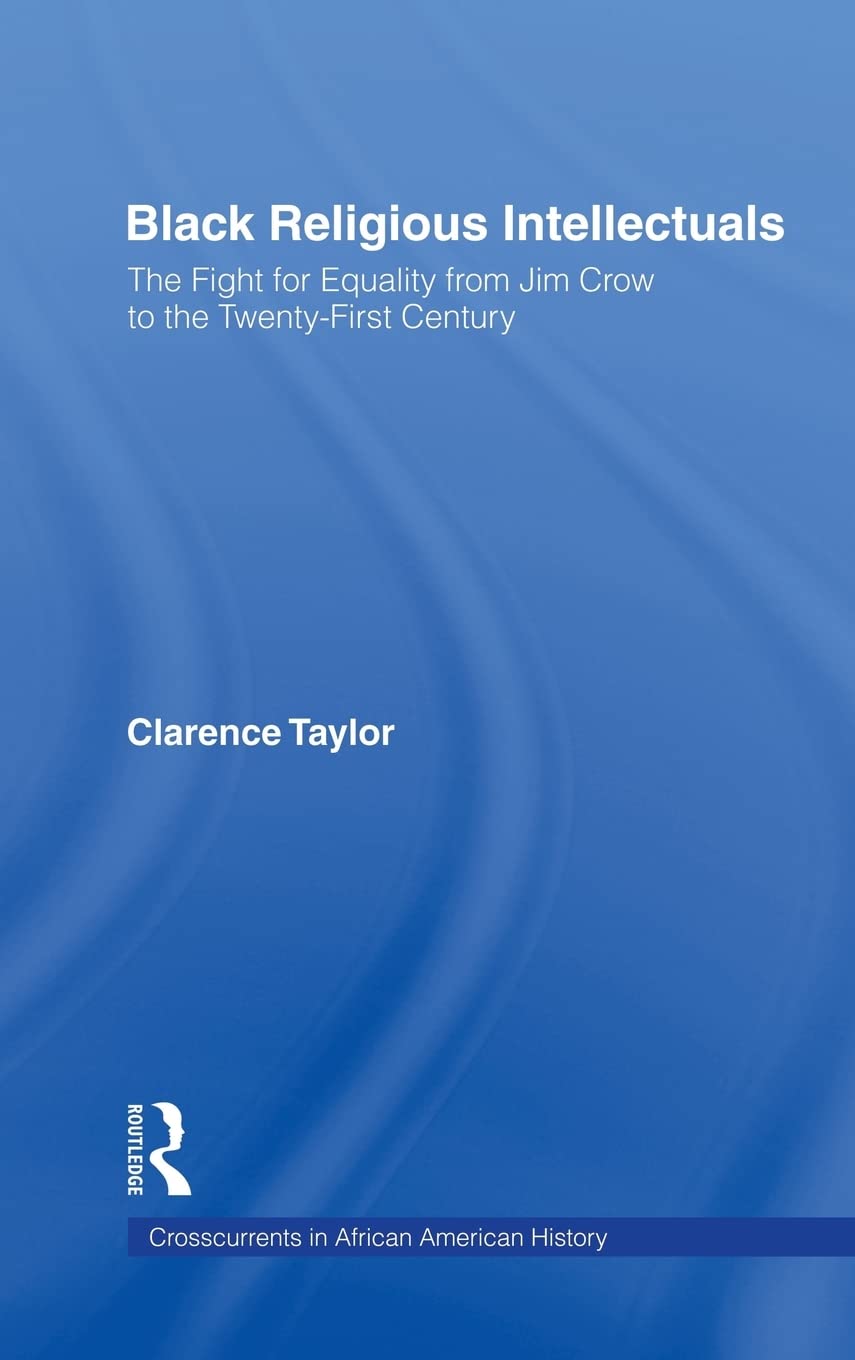
The book Black Religious Intellectuals by Clarence Taylor offers a profound exploration of the struggles faced by African American leaders in their quest for equality. This compelling narrative spans from the era of Jim Crow to the complexities of the 21st century, showcasing the pivotal role of religious thought in shaping social justice movements.
Throughout the pages, readers will encounter a rich tapestry of stories that highlight the contributions of various religious intellectuals. These figures not only challenged the status quo but also provided a moral framework that inspired generations to fight against oppression. The book delves into the intersection of faith and activism, illustrating how spiritual beliefs fueled the fight for civil rights.
One of the standout features of this work is its in-depth analysis of key historical moments. Taylor meticulously examines how religious leaders mobilized communities during critical junctures, such as the Civil Rights Movement. Their efforts were instrumental in advocating for legislative changes and raising awareness about systemic injustices.
Moreover, the book addresses the ongoing relevance of these struggles in contemporary society. Taylor argues that the legacy of Black religious thought continues to resonate today, as new generations of activists draw inspiration from the past. This connection between history and modern activism is a central theme that enriches the reader's understanding of current social issues.
In addition to its historical insights, Black Religious Intellectuals also provides a platform for voices that have often been marginalized. Taylor amplifies the narratives of women and lesser-known figures who played crucial roles in the fight for equality. This inclusive approach not only broadens the scope of the discussion but also highlights the diverse strategies employed in the struggle for justice.
The writing style is accessible yet scholarly, making it suitable for both casual readers and those seeking a deeper academic understanding. Each chapter is thoughtfully structured, allowing readers to engage with the material at their own pace. The inclusion of primary sources and personal anecdotes adds a layer of authenticity that enhances the overall reading experience.
Overall, Black Religious Intellectuals is a vital contribution to the field of African American history. It serves as both a historical account and a call to action, urging readers to reflect on the ongoing fight for equality. This book is a must-read for anyone interested in understanding the profound impact of religious thought on social justice movements throughout history.
Share