

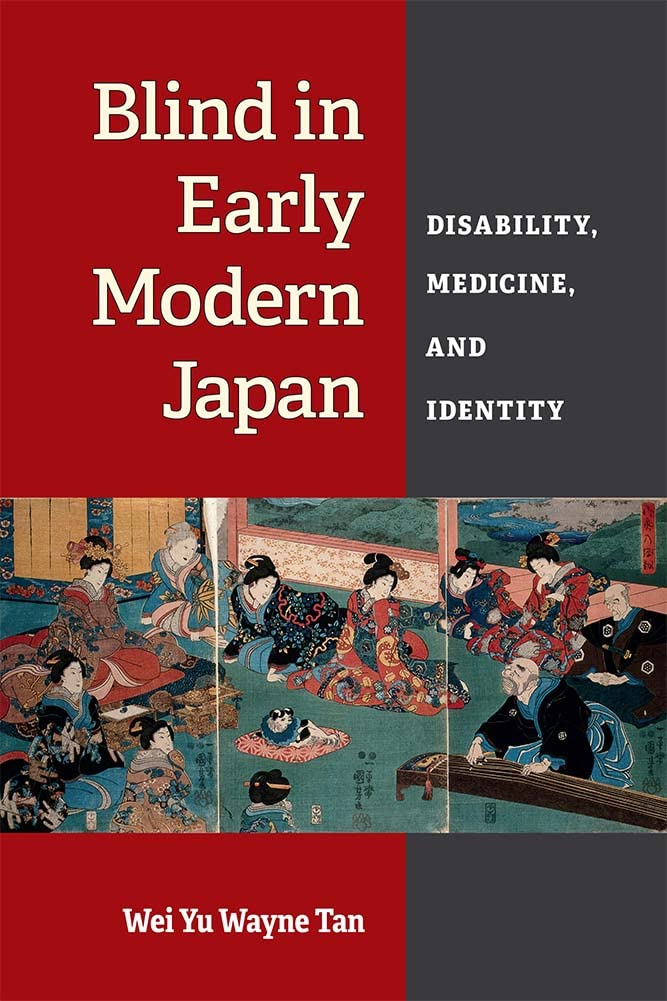
Blind in Early Modern Japan: Disability, Medicine, and Identity
Blind in Early Modern Japan: Disability, Medicine, and Identity
Price subject to change. Tap below for current.
Couldn't load pickup availability
Our review of Blind in Early Modern Japan: Disability, Medicine, and Identity finds this book best suited to readers seeking a focused, historically grounded study of blindness in the Tokugawa period. The author traces how blind people in early modern Japan were not only viewed medically but also organized socially and economically, and the single biggest reason to read this work is its sustained argument that disability must be interpreted within social, political, and medical contexts. The review highlights how the book brings medical history into cultural history, making it valuable for scholars and interested general readers alike.
Key Features
- Historical focus: Detailed treatment of blindness in the Tokugawa period (1600-1868) situates disability within a clear chronological framework and cultural context.
- Social analysis: Describes the guild structures that allowed blind professionals to thrive and exert contractual monopolies over certain trades, showing practical social power.
- Interdisciplinary approach: Brings together medical history and cultural history to argue for assessing disability within society's institutions and beliefs.
- Occupational breadth: Illustrates the wide range of professions occupied by the blind, giving readers concrete examples of status and respect in the period.
- Legacy perspective: Connects Tokugawa guild legacies to contemporary moments, offering readers a sense of historical continuity and relevance.
Who It's For
This book will appeal to historians, medical anthropologists, and graduate students interested in disability studies, Japanese history, or the intersection of social institutions and medicine. Its scholarly tone and focus on the Tokugawa period make it a solid choice for academic courses that examine non-Eurocentric perspectives on disability.
Readers looking for a general popular history or an introductory survey for casual reading might find the treatment dense; specialists and those prepared for a research-oriented text will get the most value. Those seeking broad comparative global surveys of disability should supplement this with wider regional works.
Pros & Cons
Pros
- Provides a convincing argument that disability in early modern Japan was shaped by social and political structures rather than solely by medical definitions.
- Clear description of guild systems shows how blind professionals could secure monopolies and social respect, adding depth to social history.
- Interdisciplinary framing brings medical history into productive conversation with cultural history, useful for scholars across fields.
Cons
- Its academic tone and detailed focus on Tokugawa institutions may be dense for casual readers seeking a light overview.
Specifications
| Title | Blind in Early Modern Japan: Disability, Medicine, and Identity |
| Series | Corporealities: Discourses Of Disability |
| Author / Brand | Wei Yu Wayne Tan |
| Historical period | Tokugawa period (1600-1868) |
| Focus areas | Disability, medicine, guilds, social identity |
| Geographic focus | Early modern Japan |
Our Verdict
Blind in Early Modern Japan is a thoughtful, well-argued scholarly work that demonstrates why disability must be read in context; it is recommended for historians and disability scholars who want a rigorous case study of the Tokugawa period. Its interdisciplinary approach and detailed treatment of guild structures make it a rewarding value for readers seeking depth rather than a broad survey.
Frequently Asked Questions
Does this book cover a specific time period?
Yes. The book focuses on the Tokugawa period, dated 1600-1868, examining social and medical contexts for blindness in that era.
Who wrote this book?
The book is authored by Wei Yu Wayne Tan and is part of the Corporealities: Discourses Of Disability series.
Is the book suitable for casual readers?
While accessible, the book's scholarly focus and detailed institutional analysis mean it is best suited to readers comfortable with academic history or disability studies.
Editor's Take
Blind in Early Modern Japan is a well-argued scholarly study showing how blindness in the Tokugawa period was shaped by social, medical, and institutional contexts; recommended for historians and disability scholars.

Recently viewed
Recently viewed products will appear here as customers browse the store.