

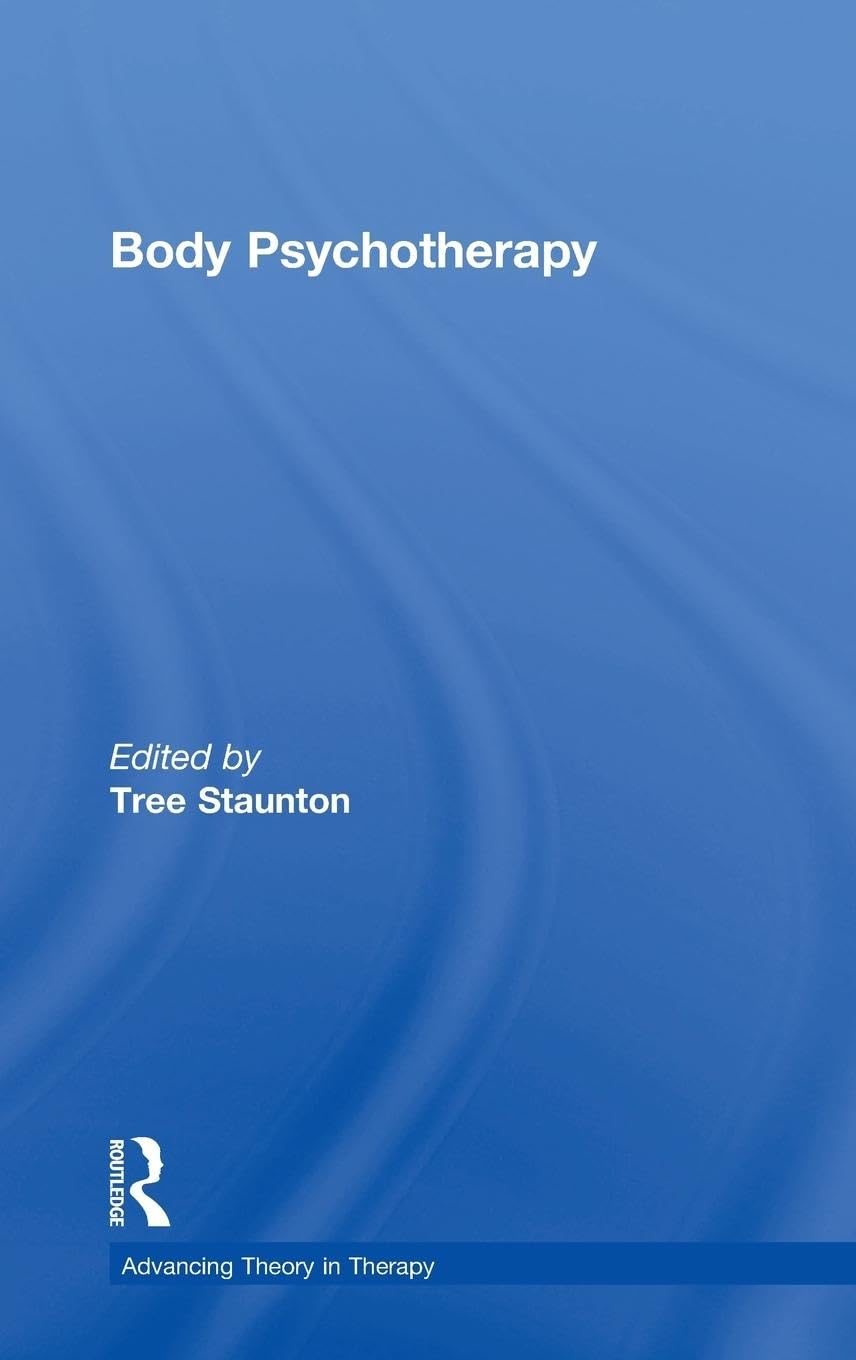
Body Psychotherapy - Advancing Theory in Therapy Tree
Body Psychotherapy - Advancing Theory in Therapy Tree
Price subject to change. Tap below for current.
Couldn't load pickup availability
In this review of Body Psychotherapy (Advancing Theory in Therapy) the bottom line is clear: this collection is best suited to therapists, postgraduate students and clinicians seeking a deeper theoretical grounding in body-oriented approaches. The book rebalances attention toward somatic methods and presents a range of scholarly perspectives on history, theory and clinical application. Its single biggest reason to buy is the breadth of experienced contributors who map developing methodologies and practical directions, making it a useful reference for those integrating body work into psychotherapy practice.
Key Features
- Range of approaches: The book surveys a spectrum of body-oriented psychotherapy approaches, giving readers multiple theoretical lenses to consider in practice.
- Historical context: A clear account of the history of body psychotherapy helps clinicians place current methods in a broader tradition.
- Theoretical depth: Chapters on post-Reichian thought and integrative methodologies provide rigorous material for advanced study and teaching.
- Clinical applications: Sections addressing trauma and regression offer practical clinical material for therapists working with somatic presentations.
- Future directions: Contributors identify emerging areas of development, useful for clinicians planning professional development or research.
Who It's For
Body Psychotherapy is aimed primarily at practicing psychotherapists, counselors and postgraduate students in psychology or psychiatry who want a serious theoretical treatment of somatic methods. Readers already trained in traditional talk therapies who are curious about incorporating body-oriented techniques will find the book a substantive starting point.
Those seeking a brief how-to manual or step-by-step protocol for somatic techniques should look elsewhere, as the book emphasizes theory, history and clinical perspectives rather than exhaustive technique instruction or beginner-level exercises.
Pros & Cons
Pros
- Comprehensive theoretical coverage that situates body psychotherapy within its historical context.
- Contributions from experienced practitioners offer a range of viewpoints and clinical material.
- Useful discussions of trauma and regression as they relate to somatic therapy.
Cons
- Not a practical workbook; readers expecting detailed technique tutorials may be disappointed.
Specifications
| Title | Body Psychotherapy (Advancing Theory in Therapy) |
| Editor/Author | Tree Staunton |
| Subject area | Body-oriented psychotherapy, theory and clinical practice |
| Topics covered | History, post-Reichian theory, integrative methodologies, trauma, regression |
| Audience | Postgraduate students, clinicians, psychotherapists |
| Use | Theoretical reference and clinical perspectives |
Our Verdict
Body Psychotherapy is a thoughtful, theory-rich collection that will repay clinicians and postgraduate students who want a deeper understanding of somatic approaches. It is good value as a reference volume because it collects diverse expert perspectives and links history, theory and clinical application, though readers seeking practical technique manuals should supplement it with practice-focused texts.
Frequently Asked Questions
Is this book suitable for beginners?
It is best for readers with some background in psychotherapy or postgraduate study rather than complete beginners.
Does it include clinical examples for trauma work?
Yes, the book includes clinical material and discussion of applications for trauma and regression.
Does it teach specific somatic techniques?
It focuses on theory and clinical perspectives rather than step-by-step technique instruction.
Editor's Take
Body Psychotherapy is a theory-rich collection ideal for clinicians and postgraduate students who want a deeper understanding of somatic approaches; it combines history, diverse theoretical perspectives and clinical material, though it is not a step-by-step techniques manual.

Recently viewed
Recently viewed products will appear here as customers browse the store.