

Boston & Maine in the 19th Century - Pictorial Railroad History
Boston & Maine in the 19th Century - Pictorial Railroad History
Price subject to change. Tap below for current.
Couldn't load pickup availability
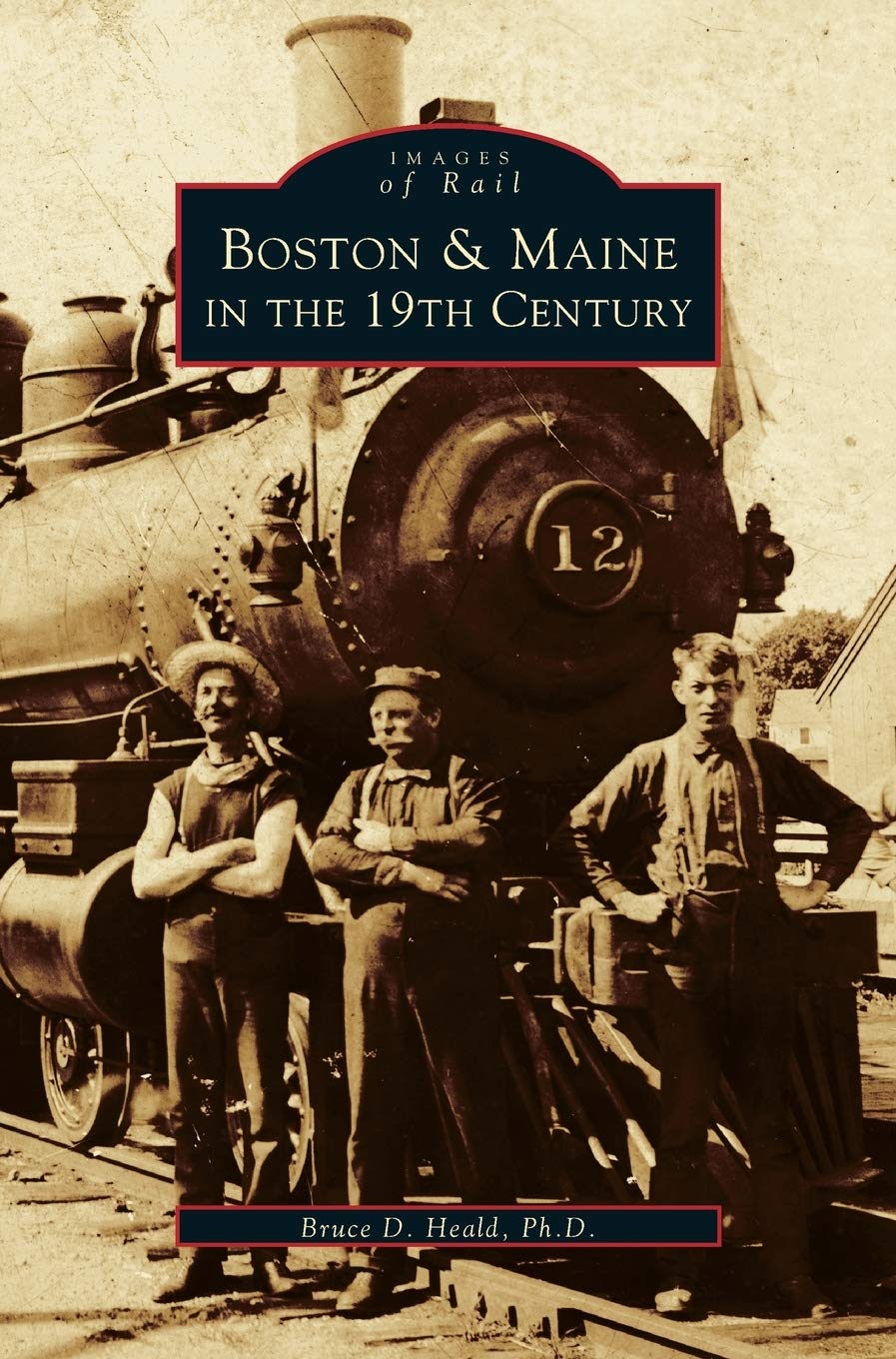
In this review of Boston & Maine in the 19th Century the reviewer finds a richly illustrated, historically grounded volume best suited to railfans, local historians, and anyone drawn to New England transportation history. The single biggest reason to buy is the book's pictorial focus: it assembles spectacular period images, many previously unpublished, that trace the railroad from an eight-mile beginning in the 1830s to more than 2,300 miles of track by 1900. For readers who value photographs and narrative context together, this is a focused and reliable pictorial history.
Key Features
- Pictorial history: The book emphasizes photographs that bring 19th century Boston & Maine operations to life and show scenic stretches across Massachusetts, New Hampshire, and Maine.
- Chronological scope: Coverage begins in the 1830s and follows the railroad through the end of the 19th century, giving readers a clear sense of growth and change.
- Rare imagery: Many images in the volume have never before been published, offering fresh visual material for enthusiasts and researchers.
- Regional focus: The narrative and photographs concentrate on northern New England, helping readers understand the railroad's impact on local communities and landscapes.
- Enterprising story: The text frames Boston & Maine as a story of expansion from an 8-mile line to over 2,324 miles of track, useful for grasping the scale of the company's 19th century development.
Who It's For
Boston & Maine in the 19th Century is ideal for railroad enthusiasts, photographers of historical transport, and regional history readers who want a visual exploration of New England railroading. The pictorial approach makes it particularly appealing to readers who prefer images paired with contextual narration rather than dense technical analysis.
Those seeking a technical manual, track diagrams, or a modern operational history should look elsewhere; this volume focuses on historical photographs and narrative history of the 19th century rather than current operations or detailed engineering schematics.
Pros & Cons
Pros
- Extensive unpublished and rare photographs that enhance the historical narrative.
- Clear chronological presentation from the 1830s through the end of the 19th century.
- Strong regional coverage that highlights Massachusetts, New Hampshire, and Maine scenes.
Cons
- Focused on pictorial history, so readers wanting technical specifications or modern coverage will find it limited.
Specifications
| Title | Boston & Maine in the 19th Century |
| Author | Bruce D. Heald |
| Subject | Boston & Maine Railroad history |
| Geographic focus | Massachusetts, New Hampshire, Maine |
| Period covered | 1830s through the 19th century |
| Format emphasis | Pictorial history with many previously unpublished images |
| Company growth highlighted | From an 8-mile line to over 2,324 miles of track |
Our Verdict
For collectors of railroad imagery and readers interested in New England transportation history, this pictorial volume offers substantial value through its rare photographs and clear chronological narrative. It is especially worthwhile for those who want visual context for the Boston & Maine's 19th century expansion, though it is not aimed at readers seeking technical or contemporary operational detail.
Frequently Asked Questions
Does this book include photographs?
Yes, the book is a pictorial history that includes many photographs, several of which were not previously published.
What time period does it cover?
The narrative begins in the 1830s and follows the Boston & Maine through the end of the 19th century.
Which states are emphasized?
The book concentrates on scenic stretches and history in Massachusetts, New Hampshire, and Maine.
Editor's Take
A strong pictorial history that uses many rare photographs to trace Boston & Maine from an 8-mile line in the 1830s to over 2,324 miles by 1900; ideal for railfans and regional historians who value visual context.

Recently viewed
Recently viewed products will appear here as customers browse the store.