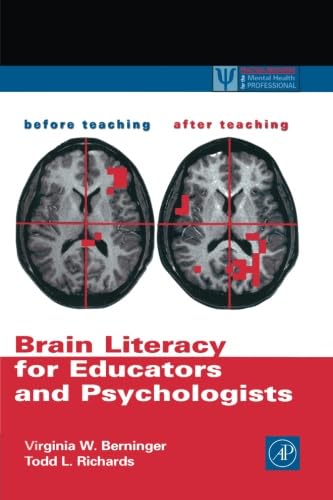
Brain Literacy for Educators and Psychologists: A Comprehensive Guide
Brain Literacy for Educators and Psychologists: A Comprehensive Guide
Price subject to change. Tap below for current.
Couldn't load pickup availability
In the field of education and psychology, understanding the brain is crucial. Brain Literacy for Educators and Psychologists offers an insightful exploration into how brain function impacts learning and teaching. This book is an essential resource for professionals seeking to enhance their knowledge of cognitive processes.
The authors, Virginia W. Berninger and Todd L. Richards, delve into the intricacies of brain development and its implications for educational practices. With a focus on practical applications, this book equips educators with the tools they need to foster effective learning environments. The integration of neuroscience principles into educational strategies is a key theme throughout the text.
One of the standout features of this book is its emphasis on evidence-based practices. The authors present a wealth of research findings that support their recommendations, making it a reliable reference for educators and psychologists alike. By grounding their insights in scientific evidence, Berninger and Richards provide a solid foundation for understanding how to apply brain literacy in real-world settings.
Moreover, the book addresses various learning challenges that educators may encounter. It offers strategies for supporting students with diverse needs, ensuring that all learners can thrive. The authors highlight the importance of individualized instruction and how understanding brain function can lead to more effective teaching methods.
In addition to theoretical insights, the book includes practical tools and resources that educators can implement in their classrooms. From lesson plans to assessment techniques, Brain Literacy for Educators and Psychologists serves as a comprehensive guide for enhancing teaching practices. The inclusion of case studies further illustrates how these concepts can be applied in various educational contexts.
Another significant aspect of this work is its focus on collaboration between educators and psychologists. The authors advocate for a multidisciplinary approach to education, emphasizing that a shared understanding of brain literacy can lead to better outcomes for students. This collaborative mindset is essential for creating a supportive learning environment.
Overall, Brain Literacy for Educators and Psychologists is a must-read for anyone involved in education or psychology. Its blend of research, practical strategies, and collaborative insights makes it an invaluable resource. Whether you are a seasoned educator or just starting in the field, this book will deepen your understanding of how brain function influences learning and provide you with the tools to make a positive impact on your students.
Share