Regular price
$180.00 USD
Price subject to change. Tap below for current.
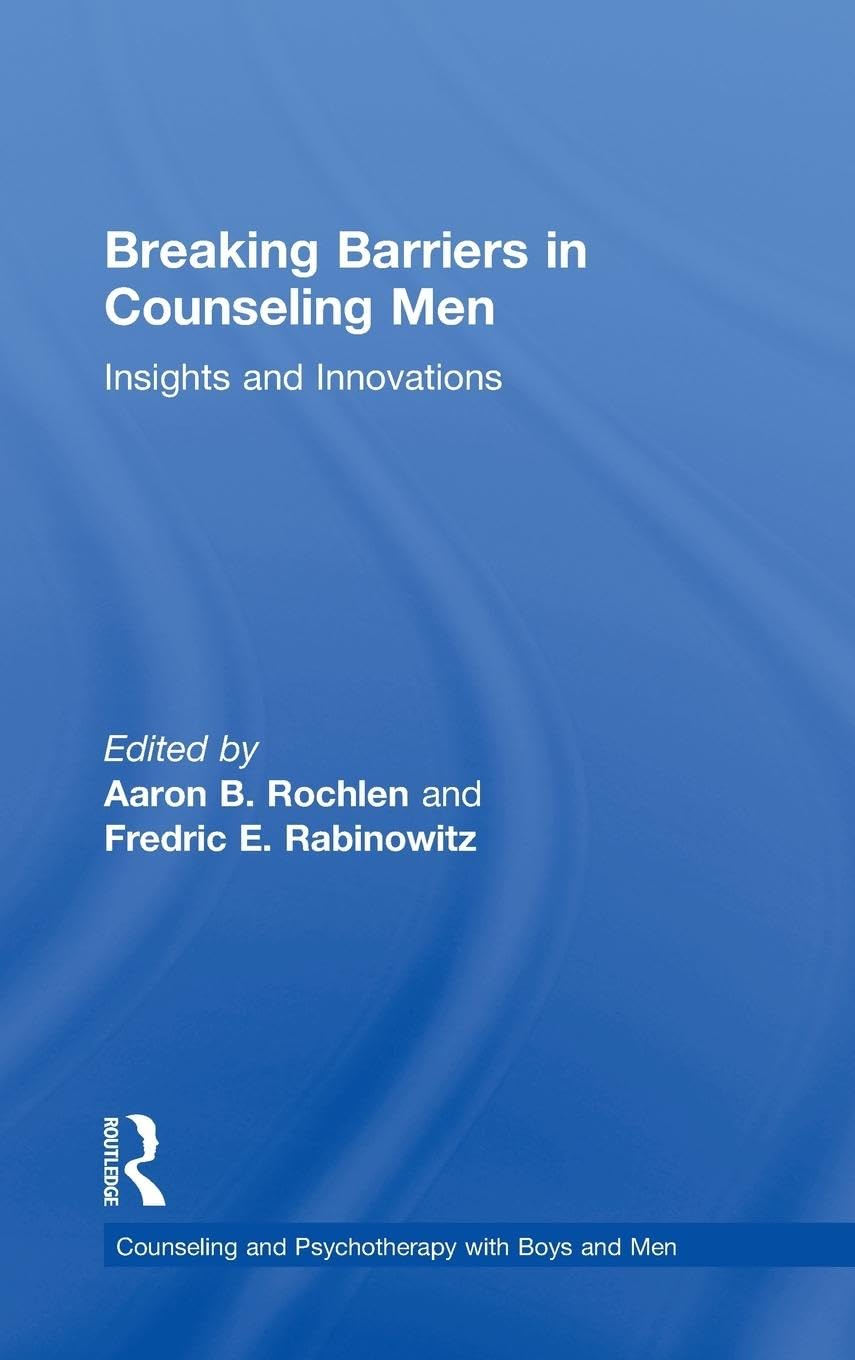
In the realm of mental health, Breaking Barriers in Counseling Men offers a transformative perspective that is essential for practitioners. This insightful book delves into the unique challenges faced by men in therapy, providing a comprehensive understanding of their psychological needs.
Authored by experts Aaron B. Rochlen and Fredric E. Rabinowitz, this volume is part of The Routledge Series on Counseling and Psychotherapy, making it a credible resource for professionals. The authors explore innovative techniques that can be employed to engage men more effectively in the therapeutic process.
One of the standout features of this book is its focus on insights and innovations that challenge traditional counseling methods. It emphasizes the importance of tailoring approaches to suit the male experience, which is often overlooked in standard practices. This book serves as a guide for counselors who wish to enhance their skills and adapt to the evolving landscape of mental health.
The text is rich with case studies and real-life examples that illustrate the application of these innovative strategies. Readers will find that the authors provide a thorough analysis of the barriers men face when seeking help, including societal expectations and stigmas surrounding mental health. By addressing these issues, Breaking Barriers in Counseling Men equips therapists with the tools they need to foster a more supportive environment.
Furthermore, the book discusses the significance of cultural competence in counseling men. It highlights how understanding diverse backgrounds can lead to more effective communication and rapport-building. This is crucial for creating a safe space where men feel comfortable expressing their emotions.
In addition to theoretical insights, the authors offer practical advice on implementing these strategies in clinical settings. They provide actionable steps that counselors can take to improve their practice and better serve their male clients. This practical approach makes the book not only informative but also applicable in real-world scenarios.
Overall, Breaking Barriers in Counseling Men is an invaluable resource for anyone involved in mental health care. It challenges the status quo and encourages professionals to rethink their methods. By embracing the insights and innovations presented in this book, counselors can make a significant impact on the lives of their male clients, ultimately leading to more successful therapeutic outcomes.