

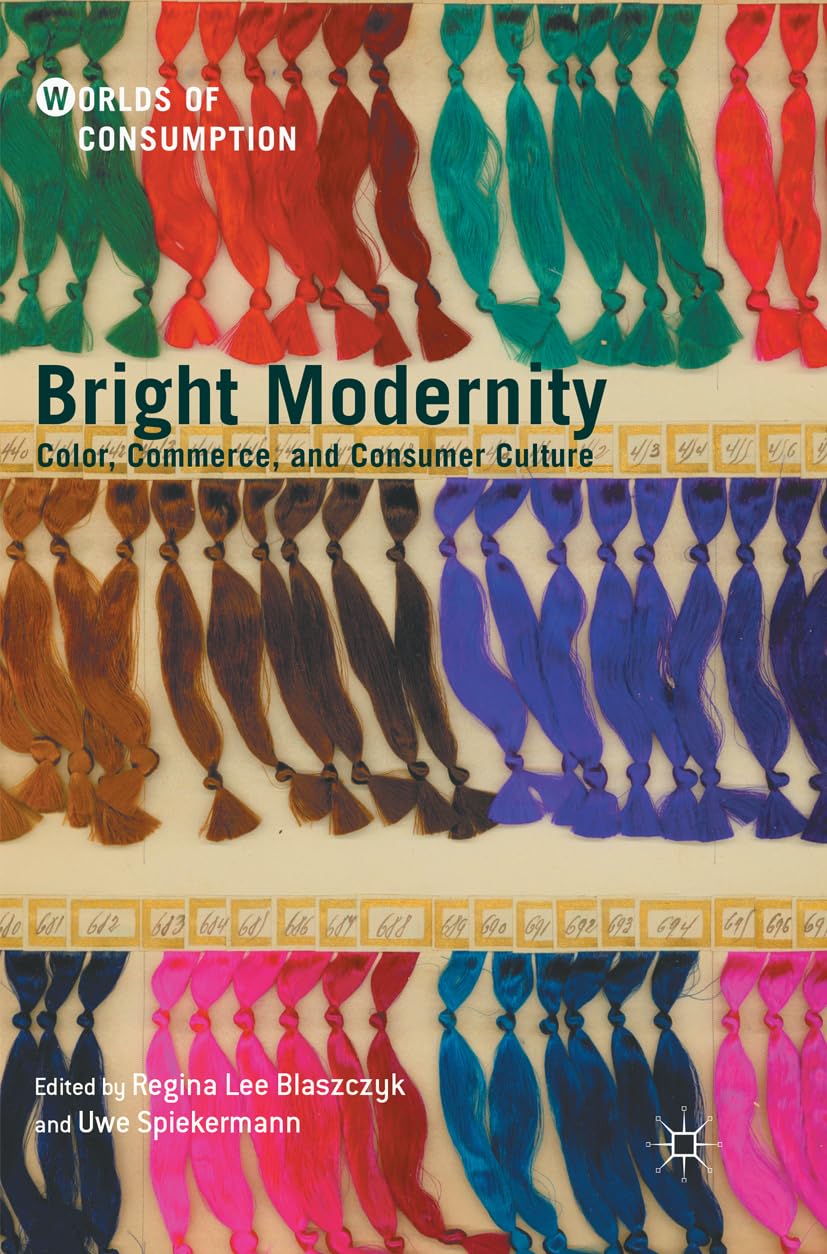
Bright Modernity: Color, Commerce, and Consumer Culture
Bright Modernity: Color, Commerce, and Consumer Culture
Price subject to change. Tap below for current.
Couldn't load pickup availability
In this review of Bright Modernity: Color, Commerce, and Consumer Culture, the author team traces how color shaped modern consumer societies from the mid nineteenth century through the recent past. Readers looking for a scholarly yet readable account will find the book valuable because it connects technical developments in dyes and naming with commercial systems and public education, explaining why color became central to mass markets. The review examines structure, emphasis, and usefulness for historians, design professionals, and students of consumer culture.
Key Features
- Historical range: Covers developments from the mid nineteenth century into the immediate past, offering long-term context for changes in color use and meaning.
- Transatlantic perspective: Expands beyond a single nation to explore how color industries and standards moved between Europe and the United States.
- Multidisciplinary approach: Brings together industrial history, marketing, and design to show how color linked research, production, and sales.
- Industry focus: Examines the early dye industry and its role in shaping modern manufacturing and consumer goods.
- Color systems and education: Details efforts to standardize and teach color, illuminating how names and standards influenced public taste.
Who It's For
Bright Modernity is best suited for readers interested in the history of design, industrial and labor history, and the cultural study of consumption; academics and graduate students will appreciate the book's cross-disciplinary research and archival grounding. Designers and color professionals will gain historical perspective that enriches contemporary practice through its discussion of nomenclature and standardization.
Those seeking a quick, popular overview of color or a heavily illustrated coffee-table book should look elsewhere, as the focus is analytical and historical rather than visual spectacle.
Pros & Cons
Pros
- Well-researched historical narrative that links technical dye developments to market practices.
- The transatlantic and multidisciplinary framing broadens the usual national story and introduces new expert networks.
- Useful sections on color naming and efforts to standardize color provide practical context for design historians.
Cons
- Not a richly illustrated or introductory popular read, so casual readers may find the text dense.
Specifications
| Title | Bright Modernity: Color, Commerce, and Consumer Culture |
| Authors | Regina Lee Blaszczyk, Uwe Spiekermann, Mark Stoneman |
| Subject | History of color, commerce, consumer societies |
| Scope | Mid nineteenth century to the immediate past |
| Approach | Transatlantic, multidisciplinary |
| Focus areas | Early dye industry, color nomenclature, standardization and education |
Our Verdict
Bright Modernity is a thoughtful, well-documented study that will reward readers who want to understand how color functioned as a technology connecting production, marketing, and taste. It represents good value for scholars and practitioners seeking historical depth and practical context, though casual readers may prefer a more visual introduction.
Frequently Asked Questions
Does the book cover the dye industry in detail?
Yes. It examines the early dye industry and its role in shaping manufacturing and color practices.
Is this book suitable for designers?
Yes. Designers and color professionals will find the sections on nomenclature and standardization especially useful.
Is it a heavily illustrated volume?
No. The emphasis is historical and analytical rather than visual, so it is not a picture-heavy coffee-table book.
Editor's Take
Bright Modernity is a scholarly, well-researched study showing how color functioned as a technology linking production, marketing, and taste; ideal for historians and design professionals seeking depth.

Recently viewed
Recently viewed products will appear here as customers browse the store.