

British Nuclear Weapons and the Test Ban 1954-1973 - Historical
British Nuclear Weapons and the Test Ban 1954-1973 - Historical
Price subject to change. Tap below for current.
Couldn't load pickup availability
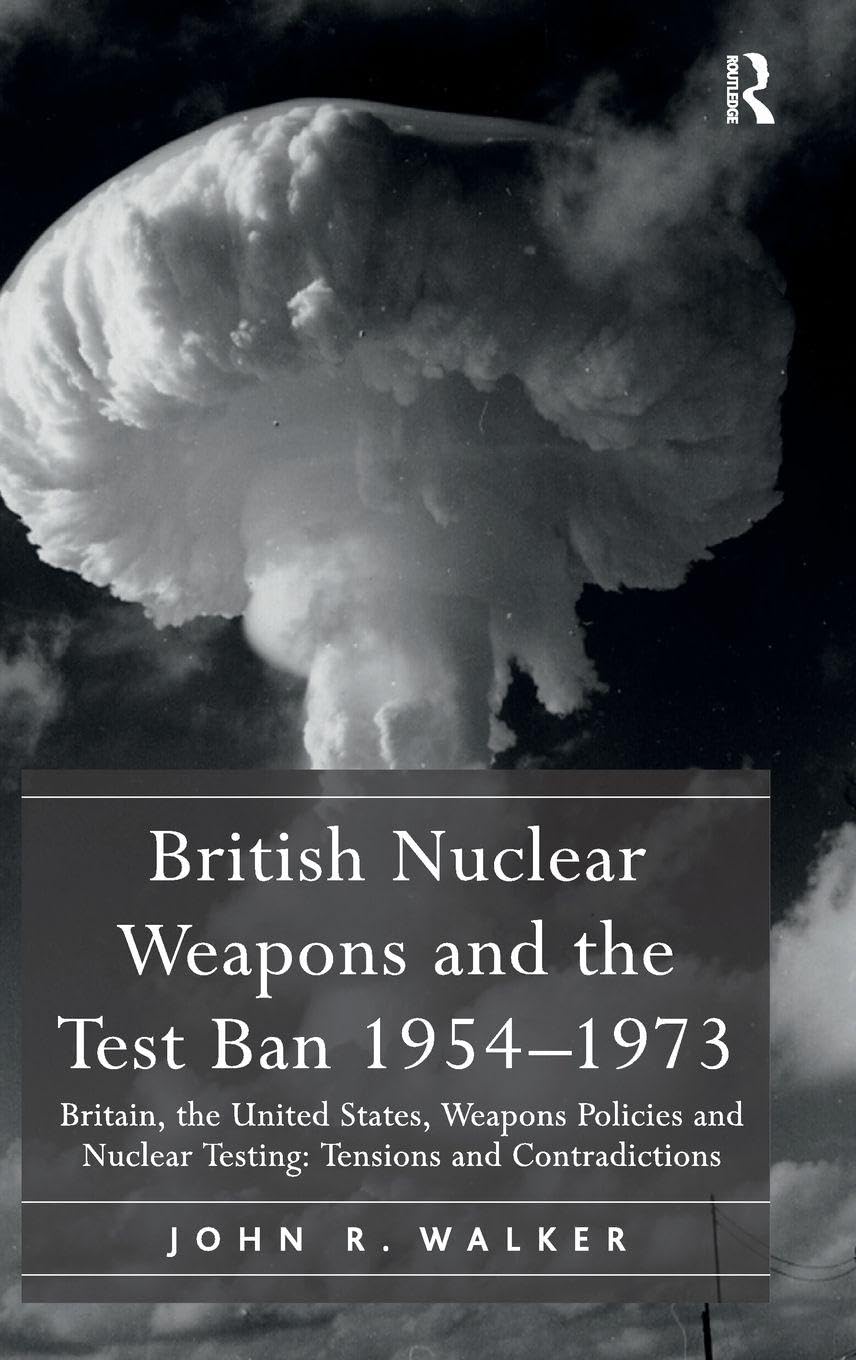
In this review of British Nuclear Weapons and the Test Ban 1954-1973 the author examines a focused, archival-driven account of Britain's nuclear diplomacy between 1954 and 1973. This book is for readers who want a deep, policy-oriented history of the British independent deterrent and its role in pushing for and resisting test ban measures. The single biggest reason to buy is its sustained, chronological treatment of defence planning and Anglo-American interaction, which makes complex decisions and technical aims accessible to a non-specialist audience interested in Cold War weapons policy.
Key Features
- Chronological analysis: The book's decade-by-decade structure clarifies how policy and testing goals evolved across two transformative decades for British defence.
- Anglo-American focus: Clear attention to the relationship with the United States shows how bilateral diplomacy shaped British choices on testing and deterrence.
- Defence planning insight: Detailed discussion of defence priorities explains why successive governments insisted on an independent deterrent.
- Scientific context: Examination of the scientific goals of nuclear tests helps readers understand the technical motives behind testing programs.
- Arms control perspective: The book evaluates British contributions to arms control and disarmament efforts, placing national policy in an international frame.
Who It's For
This work is aimed at history readers, military historians and policy students who want a focused study of Britain's nuclear posture during the Cold War. It suits those who appreciate a measured, evidence-based narrative rather than a broad popular overview.
Readers seeking a general primer on the Cold War or a richly illustrated popular history should look elsewhere; this title assumes interest in defence policy and diplomatic detail and is best used as a specialist reference or graduate-level supplementary text.
Pros & Cons
Pros
- Provides a rigorous, chronological account that helps track policy shifts over twenty years.
- Explains scientific and technical motives for tests in clear, accessible language.
- Places British decisions in the context of Anglo-American diplomacy and arms control debates.
Cons
- Limited appeal for casual readers because of the book's specialist focus and policy detail.
Specifications
| Title | British Nuclear Weapons and the Test Ban 1954-1973 |
| Subtitle | Britain, the United States, Weapons Policies and Nuclear Testing |
| Author | John R. Walker |
| Period covered | 1954-1973 |
| Focus areas | Nuclear testing, defence planning, Anglo-American relations |
| Category hint | Books, History, Military, Weapons & Warfare |
Our Verdict
For readers who need a focused, evidence-based study of British nuclear policy and testing, this book is a persuasive and useful choice. It delivers solid value as a specialist history that illuminates the tensions between national deterrence ambitions and international arms control efforts.
Frequently Asked Questions
Does this book cover scientific details of nuclear tests?
The book discusses the scientific goals behind testing and how those objectives influenced policy decisions.
Is this suitable for a general audience?
It is best suited to readers with an interest in defence policy or Cold War history rather than casual readers seeking a broad overview.
Does it treat Anglo-American relations in depth?
Yes; a central focus is on how Anglo-American diplomacy affected British weapons policies and the test ban negotiations.
Editor's Take
This focused, evidence-based history is ideal for readers interested in British nuclear policy and test ban diplomacy; it illuminates defence planning and Anglo-American tensions and offers strong value as a specialist study.

Recently viewed
Recently viewed products will appear here as customers browse the store.