

Buddhism Goes to the Movies: Introduction to Buddhist Thought
Buddhism Goes to the Movies: Introduction to Buddhist Thought
Price subject to change. Tap below for current.
Couldn't load pickup availability
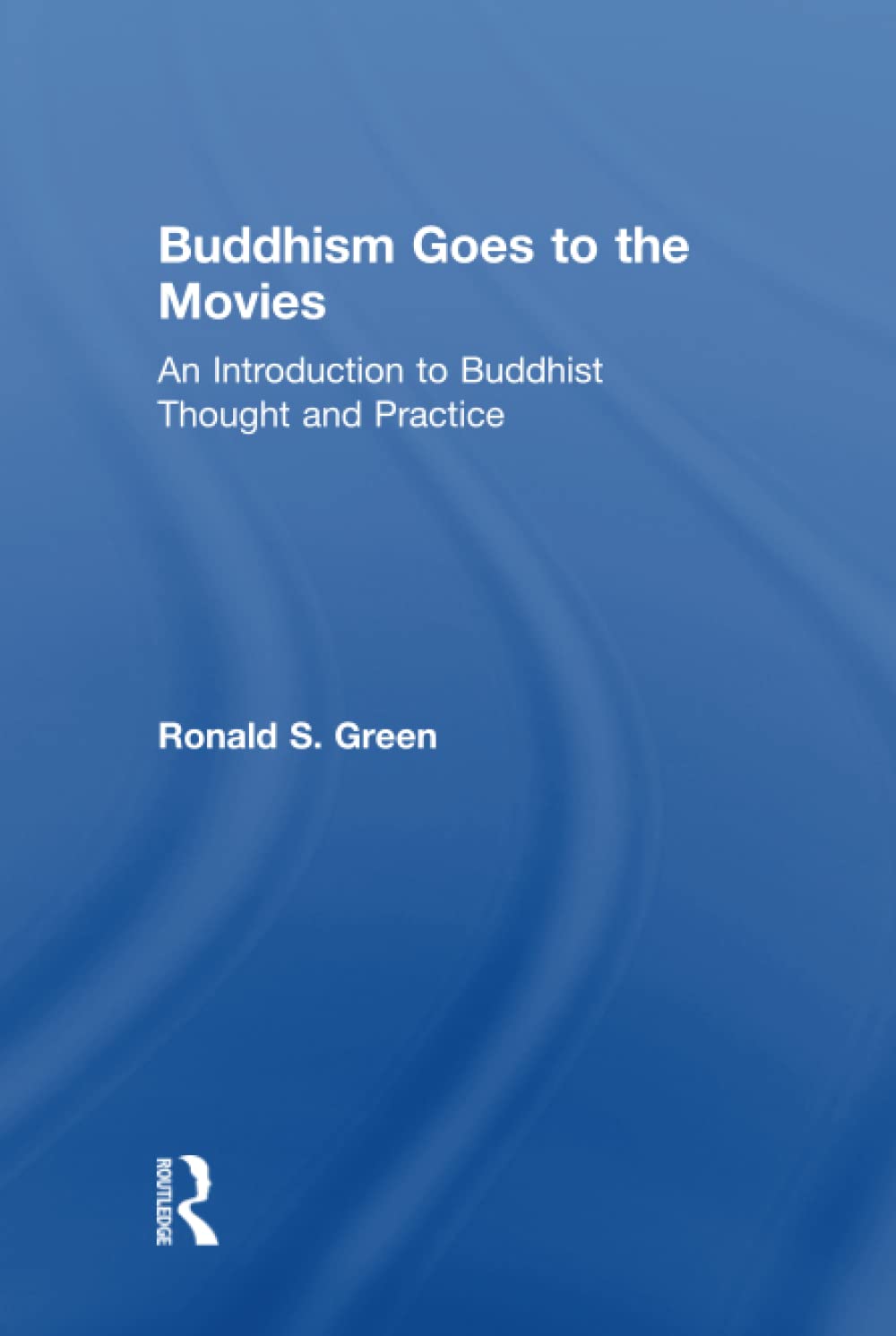
In this review of Buddhism Goes to the Movies: Introduction to Buddhist Thought and Practice, the bottom line is simple: this is a thoughtful, approachable guide for students and general readers who want to learn core Buddhist ideas through film. Ronald S. Green frames basic concepts like dependent origination, no-self and Buddhist awakening alongside examples from dramatic films worldwide, making abstract philosophy tangible. The book is best for classroom use or self-study where readers benefit from a multimedia lens on tradition and contemporary developments such as Socially Engaged Buddhism.
Key Features
- Film-based approach: Uses dramatic films from around the world to illustrate Buddhist concepts, which helps readers connect theory to lived experience.
- Clear introduction to traditions: Presents the major traditions of Buddhism, including Theravada, Zen, Pure Land and Tantric strands, so readers get a broad overview.
- Thematic focus: Explores classic themes such as awakening, dependent origination and no-self to build a steady conceptual foundation.
- Contemporary context: Discusses modern developments and figures like the Dalai Lama and Thich Nhat Hanh to show how Buddhist ideas operate today.
- Student-friendly format: Structured for classroom or individual reading with clear explanations that suit those new to Buddhist thought.
Who It's For
This book is well suited for undergraduate students in religion, film studies or comparative philosophy courses and for curious readers who prefer concrete cultural examples to dense theoretical exposition. It is particularly useful for instructors who want a compact companion text that ties cinematic narratives to doctrine.
Readers seeking an exhaustive academic treatise on Buddhist history or the original Pali and Sanskrit sources should look elsewhere; this book emphasizes conceptual clarity and filmic illustration rather than primary-text philology or specialist scholarship.
Pros & Cons
Pros
- Accessible explanations make key Buddhist ideas understandable to newcomers.
- Use of international films provides vivid, cross-cultural examples that enliven abstract topics.
- Covers a wide range of traditions including Theravada and several Mahayana divisions for a broad perspective.
Cons
- Not a substitute for advanced scholarly texts if readers need original-language detail or exhaustive historical treatment.
Specifications
| Title | Buddhism Goes to the Movies: Introduction to Buddhist Thought and Practice |
| Author | Ronald S. Green |
| Focus | Buddhist philosophy and practice illustrated through films |
| Traditions Covered | Theravada, Zen, Pure Land, Tantric Mahayana |
| Themes | Awakening, dependent origination, no-self, life and death |
| Contemporary Topics | Socially Engaged Buddhism and modern figures |
Our Verdict
Green's book is a practical, engaging introduction that marries film and philosophy in a way that benefits students and general readers. It offers excellent value as a teaching companion or an accessible primer on core Buddhist themes, though scholars seeking deep primary-source analysis should supplement it with specialized works.
Frequently Asked Questions
Does this book require prior knowledge of Buddhism?
Answer. No: the text is written as an introduction and explains basic concepts for newcomers.
Are specific films listed and analyzed?
Answer. Yes: the author uses a number of dramatic films from around the world to illustrate key ideas and themes.
Is this suitable for classroom use?
Answer. Yes: its structure and clear explanations make it well suited for undergraduate courses and guided reading.
Editor's Take
Green's film-centered introduction makes core Buddhist ideas accessible and engaging for students and curious readers; ideal as a classroom companion, though not a substitute for specialist scholarship.

Recently viewed
Recently viewed products will appear here as customers browse the store.