

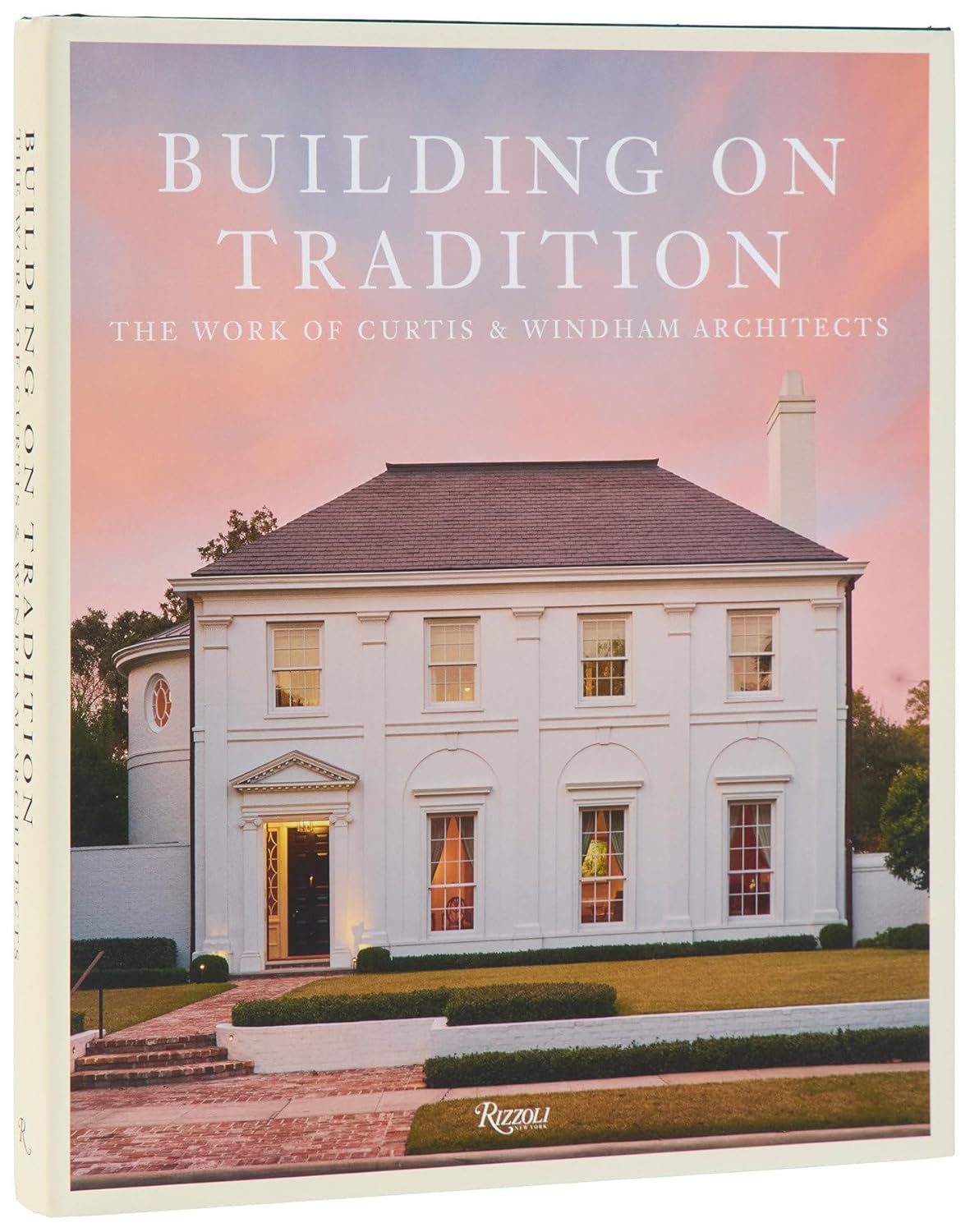
Building on Tradition: The Work of Curtis & Windham Architects
Building on Tradition: The Work of Curtis & Windham Architects
Price subject to change. Tap below for current.
Couldn't load pickup availability
Our review of Building on Tradition: The Work of Curtis & Windham Architects finds it a thoughtful, image-rich look at a firm that champions classical design for modern living. Aimed at designers, homeowners, and anyone interested in historic-inspired residential architecture, this book's single biggest strength is its clear demonstration of how classical proportions, materials, and detailing can be adapted to contemporary needs. It reads as both a portfolio and a design argument, useful as a reference for planning proportion, selecting period-appropriate materials, or simply understanding why traditional detail remains relevant.
Key Features
- Architectural range: Shows projects from Tudor-inspired manor houses to neo-Georgian mansions, illustrating the firms versatility across historical styles.
- Design philosophy: Explains how classical proportion and historical detail are applied with attention to context and custom needs for modern lifestyles.
- Interior and exterior focus: Includes interiors as part of the core practice so readers see how room planning and finishes relate to exterior form.
- Material fidelity: Emphasizes faithful use of traditional materials and detailing to achieve an authentic yet livable result.
- Practical inspiration: Provides concrete examples that homeowners and designers can reference when planning historically informed projects.
Who It's For
This book is best for architects, builders, interior designers, and homeowners who appreciate classical architecture and want real examples of how traditional forms can be adapted for contemporary life. It works as a sourcebook when considering proportion, facade composition, and period-appropriate finishes.
Those seeking deep technical how-to manuals, construction details, or modernist/avant-garde theory should look elsewhere; the focus here is on design intent, historical fidelity, and visual inspiration rather than step-by-step construction or radical contemporary experimentation.
Pros & Cons
Pros
- Strong visual portfolio that demonstrates a wide span of classical styles and finishes.
- Clear presentation of the firm's belief that classical architecture can be contextual and custom.
- Balanced coverage of both exteriors and interiors for a holistic design perspective.
Cons
- Not a construction manual or technical guide, so it offers limited building-level detail.
Specifications
| Title | Building on Tradition: The Work of Curtis & Windham Architects |
| Authors / Firm | William Curtis, Russell Windham |
| Focus | Classical residential architecture adapted for contemporary lifestyles |
| Styles Illustrated | Tudor, clapboard farmhouse, Mission-style hacienda, neo-Georgian |
| Coverage | Exterior and interior design, proportion, materials, historical detail |
| Intended Audience | Design professionals, homeowners, students of traditional design |
Our Verdict
Building on Tradition is a valuable reference for anyone who wants to see how classical architecture can be relevant today; it pairs compelling imagery with clear design thinking and is good value for architects and homeowners seeking inspired, historically grounded examples rather than construction-level instruction.
Frequently Asked Questions
Does the book include interior photography?
Yes, interiors are treated as a core part of the practice and are illustrated alongside exteriors to show integrated design.
Are construction details or technical drawings included?
The book emphasizes design intent, proportion, and materials rather than detailed construction drawings or step-by-step building instructions.
What architectural styles are featured?
The firms work ranges from Tudor and symmetrical clapboard farmhouses to Mission-style haciendas and neo-Georgian mansions.
Editor's Take
Building on Tradition is a well-illustrated, thoughtful book that shows how classical architecture can be adapted for modern lifestyles; ideal for designers and homeowners who want historically grounded inspiration rather than construction-level detail.

Recently viewed
Recently viewed products will appear here as customers browse the store.