

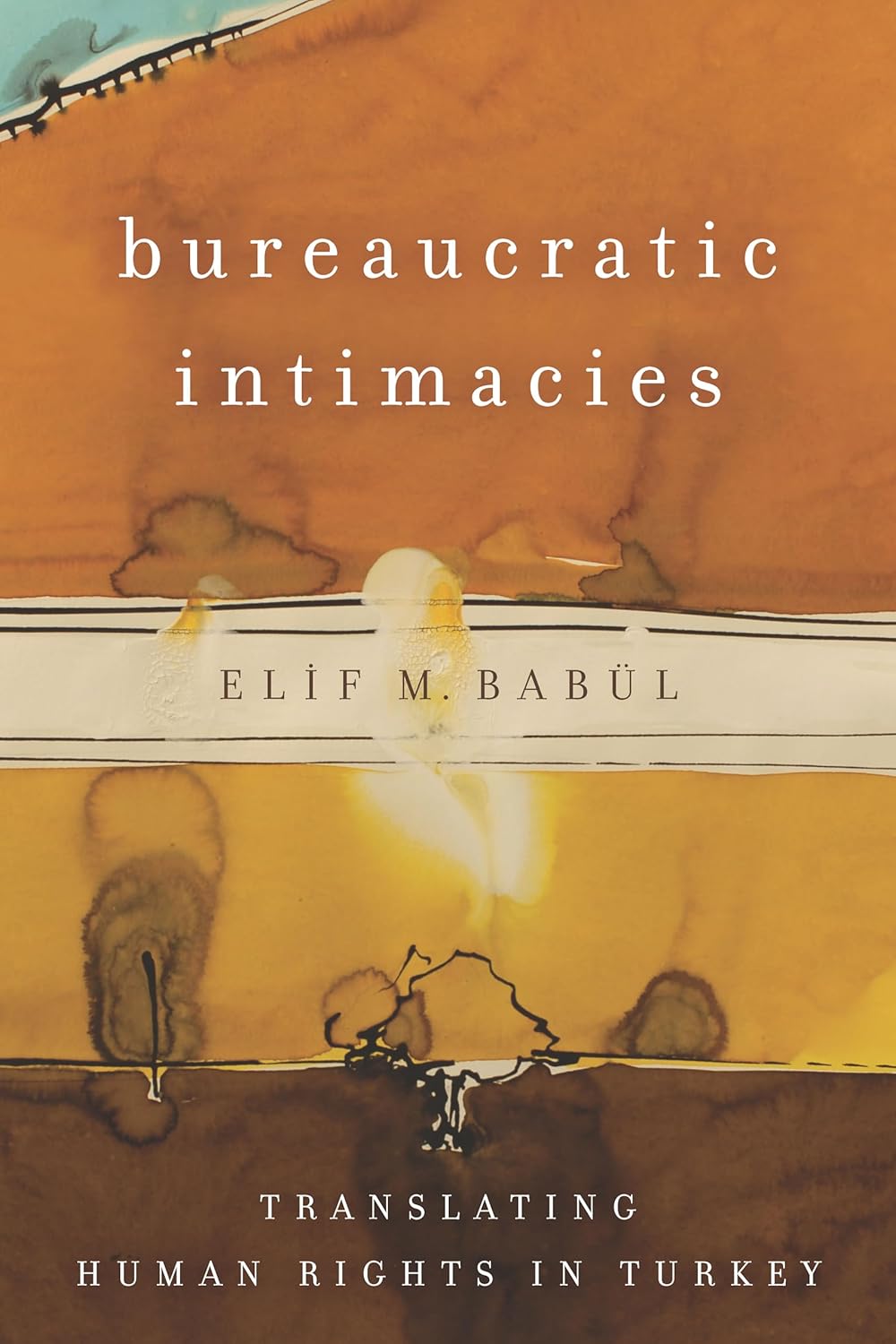
Bureaucratic Intimacies: Translating Human Rights in Turkey
Bureaucratic Intimacies: Translating Human Rights in Turkey
Price subject to change. Tap below for current.
Couldn't load pickup availability
In this review of Bureaucratic Intimacies: Translating Human Rights in Turkey the reviewer finds a careful, ethnographic account aimed at readers who want to understand how human rights rhetoric is absorbed and contested within state institutions. Elif M. Babul's book is best for students, scholars, and policy analysts who need grounded fieldwork rather than abstract theory; the single biggest reason to read it is the author's years of participant observation across police, courts, healthcare, and prisons that illuminate how rights training is actually experienced by bureaucrats.
Key Features
- Participant observation: Years of on-the-ground fieldwork provide concrete examples of how government workers encounter human rights rhetoric in professional training programs.
- Cross-institutional focus: Detailed coverage of police officers, judges and prosecutors, healthcare workers, and prison personnel shows variation across state sites of governance.
- Political context: The book situates encounters with human rights within Turkey's EU accession process and broader domestic scrutiny, clarifying stakes for governmental legitimacy.
- Practical illustration: Realistic accounts of training sessions and bureaucratic reactions reveal the perils and promises of translating human rights into everyday practice.
- Readable ethnography: The narrative style makes complex institutional dynamics accessible to non-specialists interested in rights and governance.
Who It's For
Scholars of human rights, graduate students in political science or anthropology, and policy professionals monitoring Turkey or comparative governance will get the most from this book. Its methodological emphasis on participant observation is especially valuable for readers who want empirical evidence about how state actors interpret normative language in practice.
Readers seeking a prescriptive manual for reform or a broad survey of international human rights law should look elsewhere; the book is focused on qualitative encounters and local bureaucratic cultures rather than offering step-by-step policy blueprints or legal exposition.
Pros & Cons
Pros
- Close ethnographic detail brings the experiences of police, judges, healthcare workers, and prison staff to life.
- Contextualization within EU accession debates helps readers understand why human rights training matters for governmental legitimacy.
- The cross-institutional approach highlights variation in how rights are received across different state professions.
Cons
- The book does not offer prescriptive policy solutions, so readers seeking actionable reform plans may be disappointed.
Specifications
| Title | Bureaucratic Intimacies: Translating Human Rights in Turkey |
| Author | Elif M. Babul |
| Focus | Ethnographic study of human rights training in Turkish state institutions |
| Institutions covered | Police, judges and prosecutors, healthcare workers, prison personnel |
| Thematic context | EU accession and governmental legitimacy in Turkey |
| Approach | Participant observation across multiple professional training programs |
Our Verdict
Bureaucratic Intimacies is a valuable ethnographic contribution for readers who want empirical insight into how human rights rhetoric is translated inside state institutions. It is strong value for scholars and policy analysts who prioritize grounded fieldwork over prescriptive recommendations, offering rich material to inform further research or nuanced policy discussion.
Frequently Asked Questions
Does the book include firsthand fieldwork?
Yes. The author draws on years of participant observation in training programs for multiple state professions.
Is this a legal or policy manual?
No. The book is an ethnographic analysis of how human rights are encountered by bureaucrats, not a step-by-step policy guide.
Which state institutions are examined?
The study looks at police officers, judges and prosecutors, healthcare workers, and prison personnel.
Editor's Take
A rigorous ethnographic study that reveals how human rights rhetoric is experienced across Turkish state institutions; ideal for scholars and policy analysts who want empirical insight rather than policy prescriptions.

Recently viewed
Recently viewed products will appear here as customers browse the store.