

Burning Women: Widows, Witches, and Early Modern Travelers
Burning Women: Widows, Witches, and Early Modern Travelers
Price subject to change. Tap below for current.
Couldn't load pickup availability
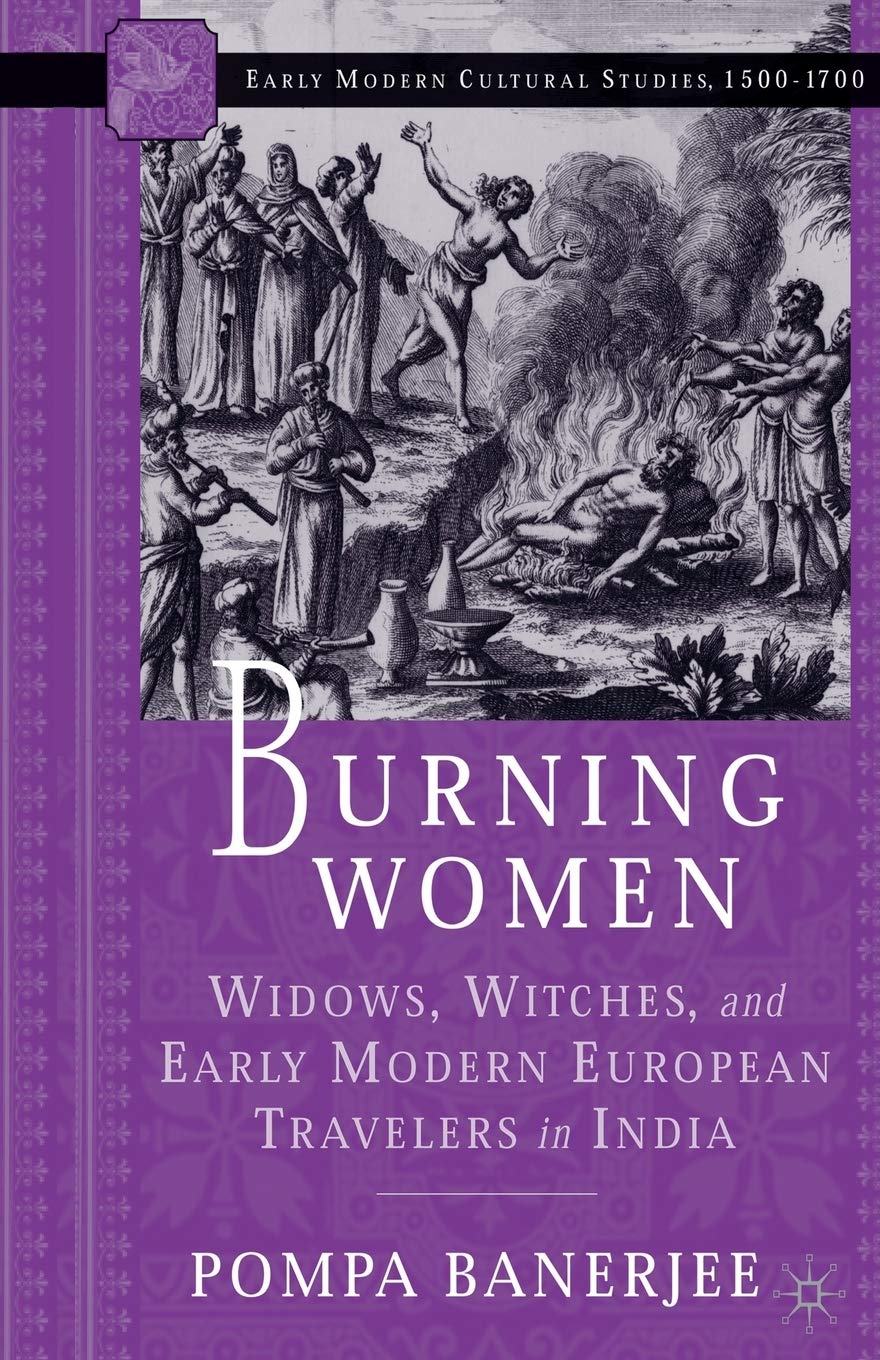
In this review of Burning Women: Widows, Witches, and Early Modern European Travelers in India the reviewer finds a focused, scholarly study for readers interested in cross-cultural gender history. The book's strongest reason to read is its sustained comparison of European narratives about sati with contemporary European forms of ritualized violence, which offers a fresh interpretive frame for early modernists and readers of gender and colonial encounter. The prose is measured and evidence-driven, making it a thoughtful contribution rather than a popular overview.
Key Features
- Comparative framing: the book juxtaposes accounts of sati with European burnings to reveal transnational resonances in early modern constructions of gender and ritualized violence.
- Primary-source focus: sustained attention to European visual and verbal transmissions grounds the analysis in contemporaneous testimony and representation.
- Gender analysis: the text interrogates how narratives of widow burning intersect with European ideas about witches and criminal wives, clarifying ideological parallels.
- Cultural context: the study situates sati within broader early modern practices of violence, which helps readers trace shifting meanings across regions.
- Scholarly audience orientation: the book rewards readers who expect careful argumentation and close reading rather than broad survey summaries.
Who It's For
The book is ideal for graduate students, scholars of early modern Europe and South Asia, and readers interested in gender studies and history who want a rigorous, comparative analysis of ritual violence and representation. It serves as a stimulating intervention for those studying cross-cultural encounter and the circulation of images and narratives in the 16th to 18th centuries.
Readers seeking a general introduction to Indian social history or a narrative account of sati for a lay audience should look elsewhere; this work is aimed at readers comfortable with academic argument and interpretation rather than a popular, descriptive history.
Pros & Cons
Pros
- Careful comparative analysis that illuminates links between European and Indian practices of ritualized violence.
- Evidence-based approach relying on visual and verbal European transmissions to support its claims.
- Thoughtful gender critique that reframes familiar topics like witch burnings through a transnational lens.
Cons
- The book's scholarly tone and focus make it less accessible to general readers seeking a narrative history or social overview.
Specifications
| Title | Burning Women: Widows, Witches, and Early Modern European Travelers in India |
| Series | Early Modern Cultural Studies 1500-1700 |
| Author | P. Banerjee |
| Primary focus | Comparative study of sati and European ritualized burnings |
| Approach | Analysis of visual and verbal transmissions in early modern Europe |
| Audience | Scholars and graduate students in history, gender studies, and cultural studies |
Our Verdict
Burning Women is a valuable, narrowly focused scholarly study that repays careful reading; its comparative argument linking sati narratives to European constructions of witchcraft and criminal wives makes it a useful book for specialists. Buy it if you want a rigorous, evidence-driven intervention in early modern gender and cross-cultural representation that contributes a distinct analytical frame rather than a broad survey.
Frequently Asked Questions
Does this book compare sources from both Europe and India?
The book emphasizes European visual and verbal transmissions about sati and compares those narratives to European practices and ideas rather than presenting extensive Indian primary-source texts.
Is this suitable for undergraduate courses?
The book is best for upper-level undergraduates or graduate seminars where students are prepared to engage with academic argument and close readings.
What is the main interpretive claim?
The central claim is that European accounts of widow burning resonantly intersect with European ritualized burnings of women, offering a transnational perspective on gendered violence.
Editor's Take
Burning Women is a focused scholarly study that compellingly compares narratives of sati with European ritualized burnings; it is best for specialists and advanced students seeking a rigorous transnational analysis.

Recently viewed
Recently viewed products will appear here as customers browse the store.