

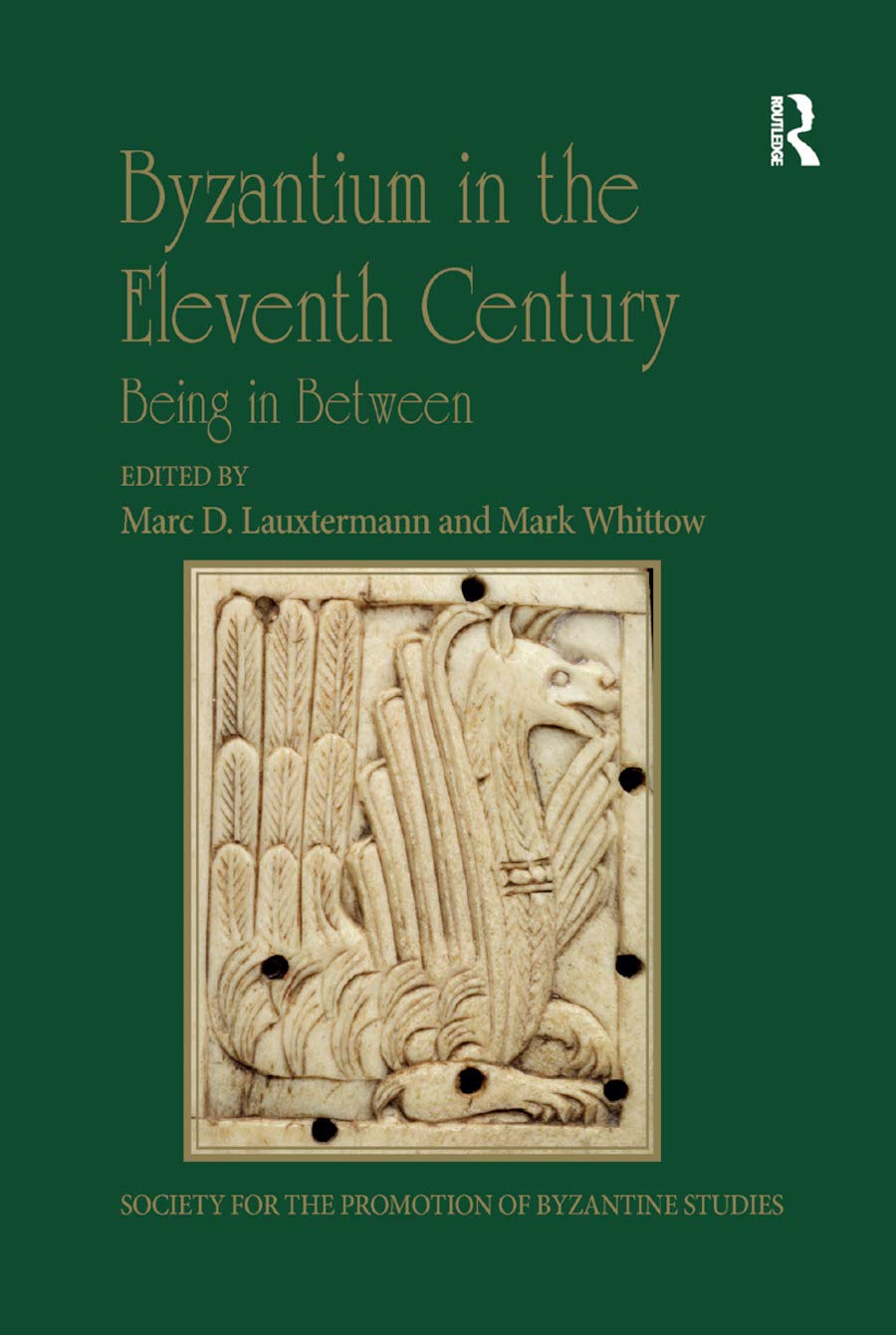
Byzantium in the Eleventh Century: Being in Between - Scholarly
Byzantium in the Eleventh Century: Being in Between - Scholarly
Price subject to change. Tap below for current.
Couldn't load pickup availability
In this review of Byzantium in the Eleventh Century: Being in Between, the reviewer finds a focused, scholarly collection well suited to historians and graduate students exploring transitional Byzantium; its single biggest reason to buy is the range of essays that illuminate the century's liminal status between rulers, peoples and cultures. The volume, drawn from the 45th Spring Symposium of Byzantine Studies, presents careful, essay-length treatments rather than synthetic narrative, making it valuable for readers seeking fresh research directions and nuanced debates about identity, politics and external pressures in the eleventh century.
Key Features
- Conference collection: Essays derive from the 45th Spring Symposium of Byzantine Studies, offering peer-reviewed scholarship and current research themes.
- Thematic clusters: The book is organized into four thematic clusters that help readers navigate topics from political change to cultural and religious interactions.
- Focus on transition: Chapters emphasize the century as a period of being between major rulers and external threats, clarifying moments of continuity and change.
- Varied perspectives: Contributors address interactions with Normans, Pechenegs and Turks, providing comparative views on external pressures facing Byzantium.
- Textual engagement: The collection engages primary narrative sources such as Michael Psellos, helping specialists reassess long-standing cliches and contradictions in those accounts.
Who It's For
This book is best for academic readers: historians of Byzantium, postgraduate students crafting dissertations, and church or medieval historians interested in the interplay of identity, politics and military challenge in the eleventh century. Library collections in universities and specialist institutions will also find it a useful reference volume.
Casual readers looking for a broad, popular narrative history should look elsewhere; the volume is essay-driven and assumes familiarity with Byzantine figures and historiography rather than offering a beginner's survey.
Pros & Cons
Pros
- Provides concentrated, scholarly essays that open new avenues of research and critique established narratives.
- Organized into thematic clusters that aid targeted reading and research reference.
- Addresses interactions with diverse external groups, enriching understanding of the period's geopolitical context.
Cons
- Not a general introduction; its specialist essays may be dense for nonacademic readers.
Specifications
| Title | Byzantium in the Eleventh Century: Being in Between |
| Series | Publications of the Society for the Promotion of Byzantine Studies |
| Editors/Authors | Marc D. Lauxtermann, Mark Whittow |
| Source | Essays from the 45th Spring Symposium of Byzantine Studies |
| Structure | Divided into four thematic clusters of essays |
| Historical focus | Eleventh century Byzantium, transitions and external relations |
Our Verdict
Byzantium in the Eleventh Century is a worthwhile purchase for specialists and libraries because it assembles thoughtful, research-driven essays that reconceptualize a century defined by in-between states of power and identity. Its value lies in the depth of individual contributions and the thematic framing, making it a good investment for those engaged in serious Byzantine studies.
Frequently Asked Questions
Is this book based on original research?
Yes; the essays were delivered at a scholarly symposium and present current research and interpretations by specialists.
Does it provide a general history of the eleventh century?
No; the volume is essay-based and focuses on specific themes and case studies rather than a continuous popular narrative.
Who edited the collection?
Marc D. Lauxtermann and Mark Whittow are listed as the editors associated with the volume.
Editor's Take
A valuable collection for specialists and libraries, offering essay-length research that reframes the eleventh century as a period of political and cultural transition and is best for serious Byzantine scholars.

Recently viewed
Recently viewed products will appear here as customers browse the store.