

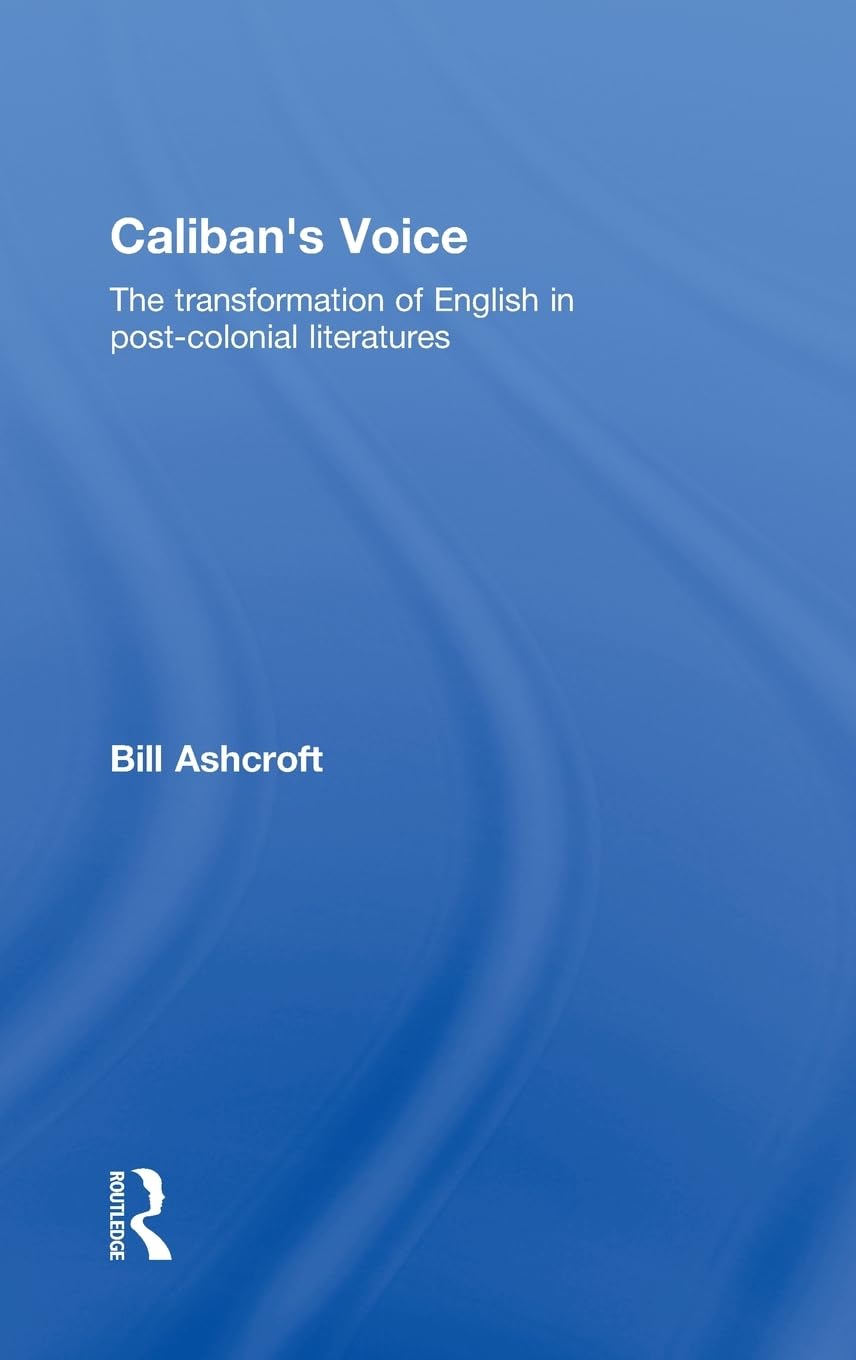
Caliban's Voice: The Transformation of English in Post-Colonial
Caliban's Voice: The Transformation of English in Post-Colonial
Price subject to change. Tap below for current.
Couldn't load pickup availability
In this review of Caliban's Voice, Bill Ashcroft presents a focused, scholarly study that will appeal to readers interested in post-colonial theory and literary history. The book's single biggest reason to buy is its clear argument about how English is reshaped by colonized writers to make new cultural meanings; Ashcroft traces this through attention to language learning, translation and the shift from oral traditions to written literature. This review assesses how effectively the book supports its claims and who will gain most from its analysis.
Key Features
- Central thesis: Ashcroft argues that post-colonial writers transform English to redefine English Literature, giving readers a coherent framework for understanding linguistic change in colonial contexts.
- Language and power: The book examines the role of language learning in the imperial mission, helping readers see how English functioned as a tool of control and resistance.
- Race and place: It links language to ideas of race and place, offering concrete readings that illuminate how identity is negotiated through speech and text.
- Orature to literature: The study traces the movement from oral traditions into written forms, clarifying how that shift reshapes literary conventions and readership.
- Translation focus: Ashcroft highlights the significance of translation, showing how linguistic exchange both disrupts and enriches canonical English.
- Dialogic reading: By demonstrating dialogue between writers and readers, the book provides tools for close reading across cultural boundaries.
Who It's For
This book is best for graduate students, literary scholars and informed general readers who want a concentrated examination of how English changes in post-colonial contexts. Teachers of literature and cultural studies will find useful frameworks for class discussions and course syllabi.
Readers seeking a general history of the British Empire or a basic introductory textbook on colonial politics should look elsewhere; Ashcroft assumes familiarity with literary theory and pays close attention to textual detail rather than broad political narrative.
Pros & Cons
Pros
- Clear argument about the transformation of English, which helps make sense of varied post-colonial texts.
- Good treatment of translation and the move from orature to literature, useful for comparative work.
- Engages with language, race and place in ways that are directly applicable to classroom close readings.
Cons
- The book is dense and assumes prior familiarity with theory, which may limit accessibility for novices.
- Readers hoping for extensive primary-text excerpts or an exhaustive historical survey may find the focus narrowly theoretical.
Specifications
| Title | Caliban's Voice: The Transformation of English in Post-Colonial Literatures |
| Author | Bill Ashcroft |
| Subject focus | Post-colonial literatures and language |
| Main themes | Language learning, race, place, translation, orature to literature |
| Approach | Comparative literary and theoretical analysis |
| Intended audience | Students, scholars, literary critics |
Our Verdict
Caliban's Voice is a thoughtful, tightly argued work that rewards readers who want to understand how English has been reshaped by post-colonial writers. Its close attention to language, translation and oral traditions makes it particularly valuable for scholars and teachers; while not introductory, the book is good value for those seeking a clear theoretical account of linguistic transformation in literature.
Frequently Asked Questions
Does this book cover translation issues?
Yes. Ashcroft discusses the significance of translation and how it affects the meaning and form of post-colonial texts.
Is prior knowledge of literary theory required?
The book assumes some familiarity with literary theory and close reading methods, so newcomers may find parts dense.
Will this help in teaching post-colonial literature?
Yes. The frameworks and examples provided are well suited to classroom discussion and syllabus development.
Editor's Take
Caliban's Voice offers a tightly argued account of how English is reshaped by post-colonial writers; it is especially valuable for scholars and teachers who need a clear theoretical framework.

Recently viewed
Recently viewed products will appear here as customers browse the store.