

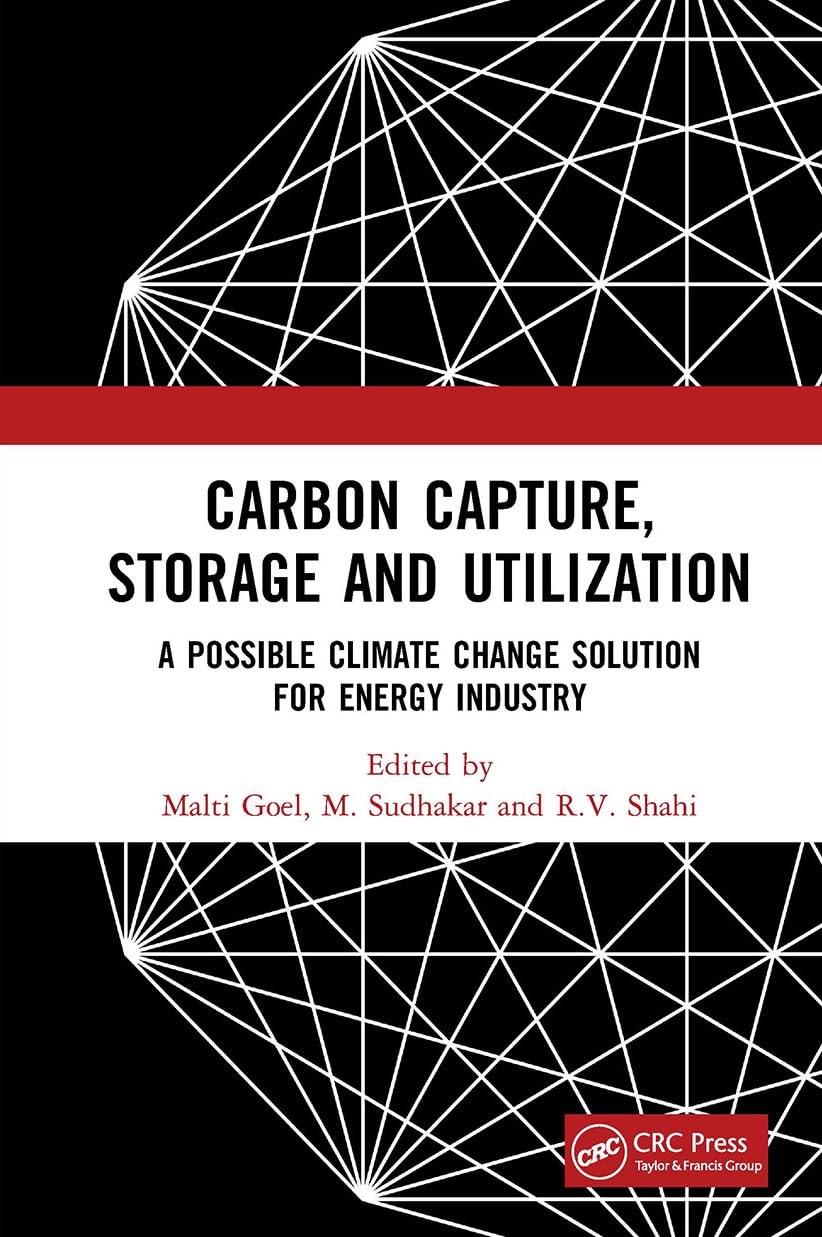
Carbon Capture, Storage and Utilization - Practical for Engineers
Carbon Capture, Storage and Utilization - Practical for Engineers
Price subject to change. Tap below for current.
Couldn't load pickup availability
Our review of Carbon Capture, Storage and Utilization finds it best suited to engineering students, researchers, and energy professionals seeking a focused, technical overview of carbon dioxide management. The book's main strength is its comprehensive treatment of capture methods and storage options, presented with practical context for coal-based systems and power plants. For readers wanting a single, readable reference on recovery, utilization, and geological storage processes, this work delivers clear explanations and applied discussion rather than a brief survey.
Key Features
- Comprehensive coverage: Explains carbon dioxide capture, utilization, and storage in a way that connects laboratory techniques to real-world energy systems.
- Focused on coal economies: Highlights why CCS matters for coal-based power generation and explores capture methods relevant to those plants.
- Varied recovery techniques: Describes physical, chemical, and biological means of CO2 recovery so readers can compare approaches across contexts.
- Storage insight: Takes a close look at earth processes for CO2 storage, including saline aquifers and coal mine fixation potential.
- Biomimetic discussion: Addresses challenges and prospects in biomimetic carbon sequestration, useful for researchers exploring novel approaches.
Who It's For
This book is ideal for civil, environmental, and chemical engineers, graduate students, and policy advisers who need a technically grounded introduction to carbon capture, storage, and utilization. It gives enough depth to inform project planning and academic study, particularly where coal-fired power systems are involved.
Practitioners seeking step-by-step design manuals or hands-on laboratory protocols may want complementary technical standards or operational handbooks. Readers expecting a broad climate policy primer or a highly simplified popular account should look for more general titles instead.
Pros & Cons
Pros
- Thorough synthesis of capture techniques that helps compare physical, chemical, and biological options.
- Clear treatment of geological storage, making saline aquifers and mine fixation accessible to non-specialists.
- Useful discussion of biomimetic sequestration that points to emerging research directions.
Cons
- The book is technical and geared toward engineers and researchers, so casual readers may find it dense.
- It does not replace detailed operational manuals for onsite CCS implementation.
Specifications
| Title | Carbon Capture, Storage and Utilization |
| Authors | Malti Goel, M. Sudhakar, R.V. Shahi |
| Subject focus | Carbon capture, utilization, and geological storage |
| Technology coverage | Physical, chemical, and biological recovery methods |
| Storage topics | Saline aquifers and coal mine carbon fixation |
| Special topics | Biomimetic carbon sequestration |
Our Verdict
Carbon Capture, Storage and Utilization is a practical, technically oriented reference for engineers and researchers focused on making fossil fuel use more sustainable. Its detailed treatment of capture methods and earth storage processes makes it good value for anyone planning projects or studying CCS, though it works best alongside site-specific operational guidance.
Frequently Asked Questions
Does the book cover storage in saline aquifers?
The text specifically examines CO2 storage in saline aquifers and discusses geological processes relevant to long-term storage.
Are biological capture methods included?
Yes, the book describes biological means of CO2 recovery and also considers biomimetic sequestration approaches.
Is this suitable for non-technical readers?
It is written for engineers and researchers; non-technical readers may find the material fairly dense and should consider more general introductions first.
Editor's Take
A practical, technically oriented reference for engineers and researchers, this book offers detailed coverage of CO2 capture methods and geological storage processes and is good value for project planning and academic study.

Recently viewed
Recently viewed products will appear here as customers browse the store.