

Child Neglect and Emotional Abuse: Understanding, Assessment
Child Neglect and Emotional Abuse: Understanding, Assessment
Price subject to change. Tap below for current.
Couldn't load pickup availability
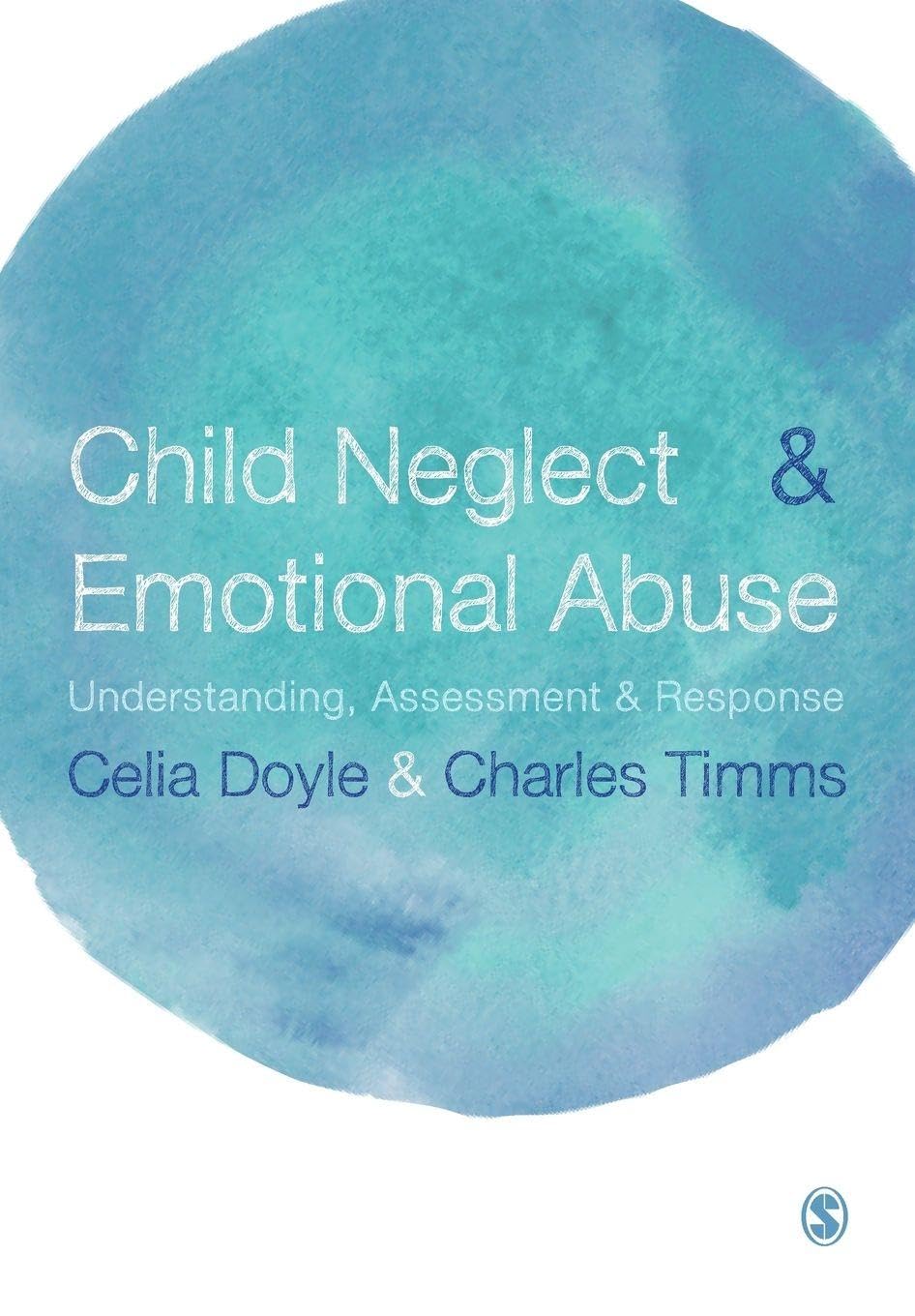
In this review the book Child Neglect and Emotional Abuse: Understanding, Assessment and Response is recommended for social workers, child protection practitioners and postgraduate students seeking a clear, practice-focused guide. The single biggest reason to buy is its step-by-step approach that links contemporary research to practical assessment and intervention, making complex material accessible without sacrificing clinical nuance. The authors' focus on physiological effects and modern therapeutic responses positions this volume as a useful reference for day-to-day casework and reflective practice.
Key Features
- Comprehensive structure: The three-part layout on understanding, assessment and response helps readers move logically from theory to practical action in vulnerable child cases.
- Evidence-informed: Frequent reference to contemporary research provides a solid basis for practitioners to justify decisions and interventions with current knowledge.
- Focus on physiological impact: Clear coverage of the effects of childhood malnutrition and emotional deprivation helps practitioners recognise long-term risks and plan appropriate responses.
- Assessment guidance: Detailed discussion of assessment procedures clarifies complex factors that affect decision-making and supports more structured case formulation.
- Practical interventions: Coverage of modern therapies and family management approaches gives readers concrete options to consider when designing responses.
Who It's For
This book suits frontline social workers, child protection officers, family therapists and social work students who need a concise but thorough resource that ties theory to practice. The clear chapters on assessment and response make it particularly valuable for professionals responsible for initial investigations and safety planning.
It is less aimed at readers seeking an exhaustive empirical monograph or a parenting handbook; those needing deep experimental research methodology or family-targeted self-help content should look elsewhere. For applied practice and teaching, however, it is an efficient and targeted resource.
Pros & Cons
Pros
- Practical organisation that guides the reader from understanding to response, aiding immediate application in cases.
- Strong emphasis on contemporary research and physiological effects, improving assessment and intervention planning.
- Includes discussion of innovative therapies and family management approaches that expand options for practitioners.
Cons
- Not a substitute for specialised clinical training in specific therapeutic modalities, which readers will still need to pursue elsewhere.
Specifications
| Title | Child Neglect and Emotional Abuse: Understanding, Assessment and Response |
| Authors | Celia Doyle, Charles Timms |
| Coverage | Understanding, Assessment and Response to child neglect and emotional abuse |
| Focus areas | Physiological impact, assessment procedures, modern therapeutic interventions |
| Intended audience | Social workers, child protection practitioners, social work students |
| Approach | Evidence-informed and practice-oriented |
Our Verdict
Child Neglect and Emotional Abuse is a well-organised, evidence-informed guide for practitioners who must assess and respond to vulnerable children. Its emphasis on physiological consequences and clear assessment procedures makes it good value for social work teams and students wanting a practical reference that supports better-informed decisions in real-world cases.
Frequently Asked Questions
Does this book cover assessment tools?
The book explains assessment procedures and factors that complicate assessments, offering a practical framework rather than proprietary checklist tools.
Is it suitable for classroom use?
Yes, the structured three-part format and evidence references make it appropriate for postgraduate social work courses and training sessions.
Does it include intervention options?
Yes, the response section discusses modern therapies and family management approaches to inform intervention planning.
Editor's Take
A well-organised, evidence-informed guide for social workers and students that links physiological research to practical assessment and response, making it a valuable reference for child protection practice.

Recently viewed
Recently viewed products will appear here as customers browse the store.