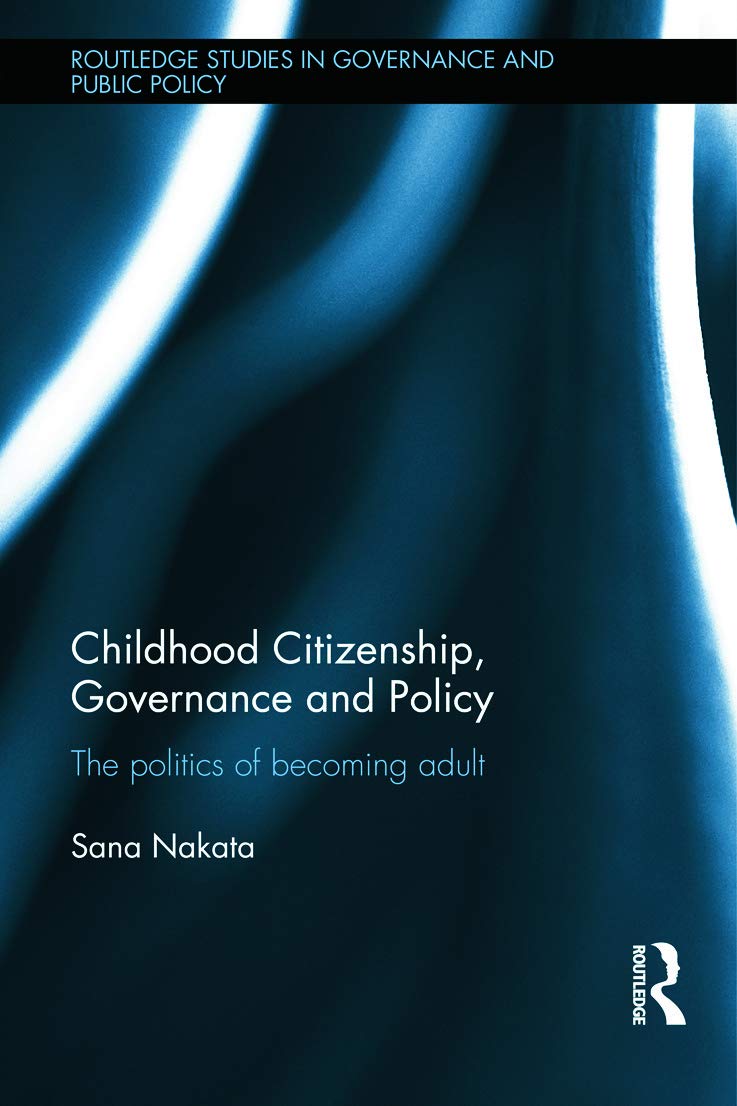
Childhood Citizenship, Governance and Policy: A Comprehensive Study
Childhood Citizenship, Governance and Policy: A Comprehensive Study
Price subject to change. Tap below for current.
Couldn't load pickup availability
The book Childhood Citizenship offers a profound exploration of the intersection between childhood, governance, and policy. Authored by Sana Nakata, this insightful work delves into how children are perceived within the frameworks of citizenship and governance. It challenges traditional notions and presents a fresh perspective on the role of children in society.
In this comprehensive study, Nakata examines the implications of governance policies on childhood experiences. The author argues that understanding childhood through the lens of citizenship is crucial for developing inclusive policies that recognize children's rights and contributions. This book is essential for scholars and practitioners interested in the evolving landscape of childhood studies.
One of the key themes in Childhood Citizenship is the importance of participatory governance. Nakata emphasizes that children should not only be seen as passive recipients of policies but as active participants in the decision-making processes that affect their lives. This perspective is vital for fostering a sense of agency among young individuals.
The book also addresses the challenges faced by children in various socio-political contexts. Nakata provides a critical analysis of how different governance structures impact children's rights and their ability to engage in civic life. This examination is particularly relevant in today's globalized world, where children's voices are often marginalized.
Furthermore, Childhood Citizenship, Governance and Policy explores the role of education in shaping children's understanding of citizenship. Nakata argues that educational institutions play a pivotal role in promoting civic engagement and awareness among young people. By integrating citizenship education into curricula, we can empower children to become informed and active citizens.
The book is well-researched and draws on a variety of case studies from around the world. Nakata's interdisciplinary approach combines insights from sociology, political science, and education, making it a valuable resource for anyone interested in the complexities of childhood governance.
In conclusion, Childhood Citizenship, Governance and Policy is a must-read for those seeking to understand the intricate relationship between childhood and governance. It offers a compelling argument for rethinking how we view children in policy discussions and highlights the need for inclusive practices that recognize their rights and potential.
Share