

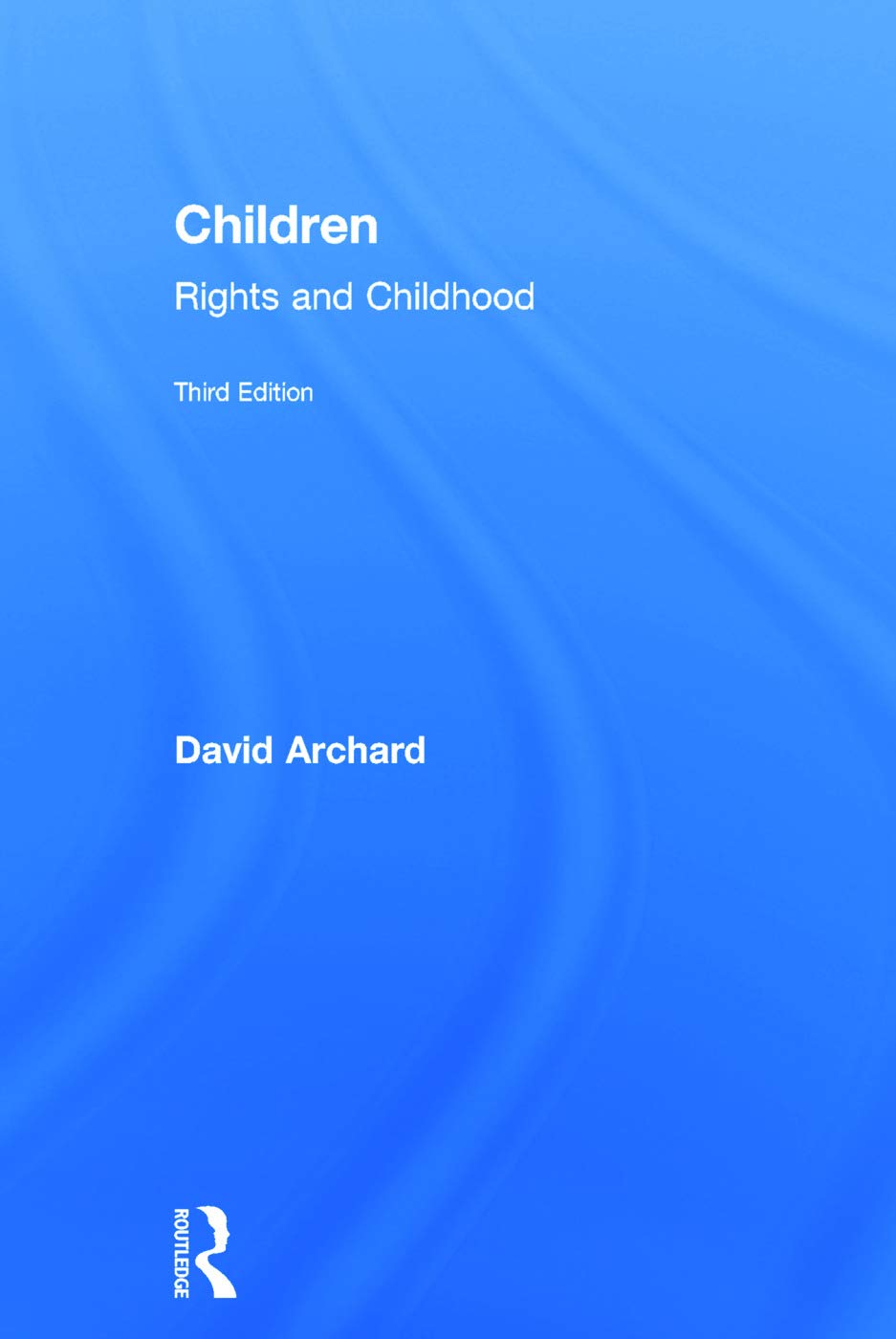
Children: Rights and Childhood - In-Depth Philosophical
Children: Rights and Childhood - In-Depth Philosophical
Price subject to change. Tap below for current.
Couldn't load pickup availability
In this review of Children: Rights and Childhood the reviewer recommends the book to students, scholars and practitioners seeking a grounded philosophical account of childrens rights and the ethical issues around childhood. The single biggest reason to buy is its clear, structured introduction to contested topics such as parental rights, child consent and the legal status of children, now broadened with a new chapter on the United Nations Convention on the Rights of the Child. This edition is presented as a thoughtful, readable guide rather than a technical jurisprudence text.
Key Features
- Historical context: The book places modern debates in childhood within a clear historical narrative, tracing ideas from John Locke to Philippe Ariess so readers can see how concepts evolved.
- Clear structure: Divided into three parts, the layout helps readers follow arguments on moral and legal rights, definitions of abuse, and institutional responses without getting lost.
- Updated analysis: The third edition adds a dedicated chapter on the United Nations Convention on the Rights of the Child for contemporary legal perspective.
- Accessible writing: The author writes in an introductory style that makes complex philosophical issues approachable for non-specialists and undergraduates.
- Focused topics: Specific sections on a childs right to vote, sexual choice, and parental privacy bring attention to practical ethical dilemmas.
Who It's For
This book best suits undergraduate and graduate students in philosophy, law or social policy, child welfare professionals, and academics looking for a concise philosophical treatment of childrens rights rather than an exhaustive legal treatise. Educators designing a course on rights or childhood will also find it useful as a primary or supplementary text.
Readers seeking empirical child development studies, a handbook of clinical interventions, or a step-by-step legal practice guide should look elsewhere; this work focuses on conceptual and normative analysis rather than case law procedures or empirical program evaluation.
Pros & Cons
Pros
- Provides a historically grounded, philosophical overview that clarifies major debates about childrens moral and legal rights.
- The new UNCRC chapter updates the book for contemporary policy discussions and international contexts.
- Well structured into three parts, making it easy to assign in modular course units and follow key themes.
- Accessible prose makes complex arguments understandable to non-specialists.
Cons
- The book is analytical rather than empirical, so professionals seeking data-driven guidance on interventions may find it limited.
- Readers wanting exhaustive legal detail on national implementation of child rights may require supplementary legal texts.
Specifications
| Title | Children: Rights and Childhood |
| Author | David Archard |
| Edition | Third edition (fully revised and updated) |
| Structure | Divided into three parts with a new UNCRC chapter |
| Topics covered | Locke, Philippe Ariess, child rights, parental rights, child abuse |
| Audience | Students, academics, child welfare professionals |
Our Verdict
Children: Rights and Childhood is a well judged, concise philosophical introduction that delivers strong value for readers seeking conceptual clarity on childrens rights and the ethics of childhood. Its updated UNCRC analysis and clear structure make it especially useful for courses and policy discussions, though those needing empirical intervention data or detailed national legal practice will need additional references.
Frequently Asked Questions
Does this edition include contemporary international law?
Yes, the third edition adds a new chapter providing an in-depth analysis of the United Nations Convention on the Rights of the Child.
Is the book suitable for non-specialists?
Yes, the writing is accessible and intended as an introduction, making it suitable for undergraduates and readers new to the topic.
Will it help with clinical or policy program design?
It offers conceptual and ethical frameworks useful for policy thinking, but not step-by-step program design or empirical intervention protocols.
Editor's Take
Children: Rights and Childhood is a concise, well structured philosophical introduction that clarifies major debates on childrens rights and adds useful UNCRC analysis, making it good value for students and policy-minded readers.

Recently viewed
Recently viewed products will appear here as customers browse the store.