Regular price
$200.00 USD
Price subject to change. Tap below for current.
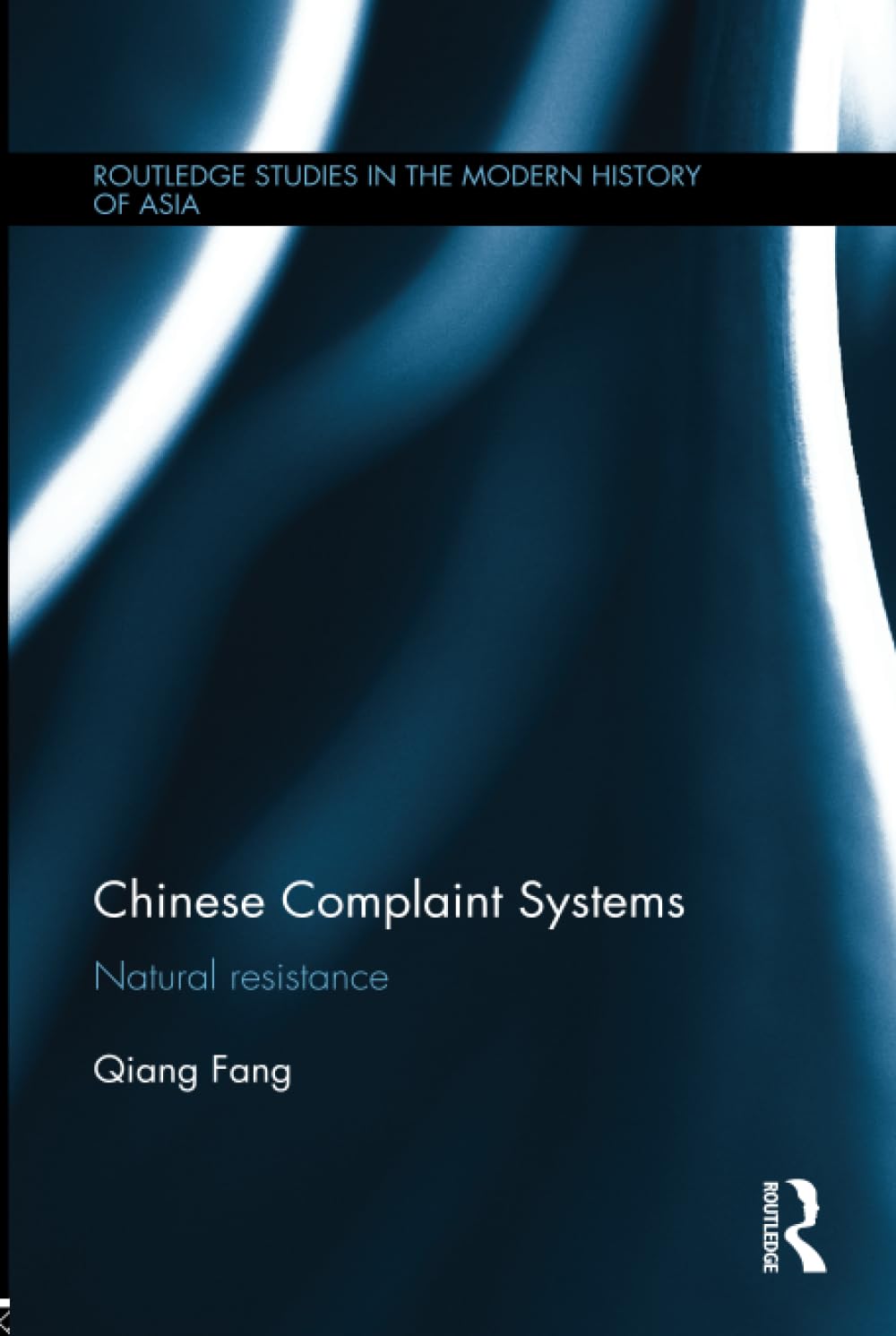
The book Chinese Complaint Systems offers a comprehensive exploration of the intricate mechanisms that have shaped the way grievances are addressed in China. Written by Qiang Fang, this insightful volume delves into the historical context and evolution of complaint systems, providing readers with a nuanced understanding of their significance in modern Chinese society.
One of the key themes of the book is the role of government accountability in the complaint process. Fang meticulously examines how these systems have evolved over time, reflecting changes in governance and public expectations. The author highlights the importance of these mechanisms in fostering a sense of trust between the government and its citizens.
In addition to historical analysis, the book also addresses contemporary issues surrounding social justice in China. Fang discusses how complaint systems serve as a platform for marginalized voices, allowing individuals to express their grievances and seek redress. This aspect of the book is particularly relevant in today's context, where social media and digital platforms are increasingly used to amplify complaints.
The author does not shy away from discussing the challenges faced by these systems, including bureaucratic inefficiencies and the potential for corruption. Through case studies and real-life examples, Fang illustrates the complexities involved in navigating the complaint process, shedding light on the obstacles that citizens often encounter.
Moreover, the book explores the intersection of cultural values and complaint systems, emphasizing how traditional beliefs influence modern practices. Fang argues that understanding these cultural dimensions is crucial for comprehending the effectiveness of complaint mechanisms in addressing public grievances.
Readers will also appreciate the thorough research and analysis presented in this volume. The author draws on a wide range of sources, including government documents, interviews, and academic literature, to provide a well-rounded perspective on the topic. This rigorous approach enhances the credibility of the findings and offers valuable insights for scholars and practitioners alike.
In conclusion, Chinese Complaint Systems is an essential read for anyone interested in the dynamics of governance, social justice, and public accountability in China. Qiang Fang's work not only enriches our understanding of these systems but also invites readers to reflect on the broader implications for society as a whole.