

Churches and Religion in the Second World War - In-depth Historical
Churches and Religion in the Second World War - In-depth Historical
Price subject to change. Tap below for current.
Couldn't load pickup availability
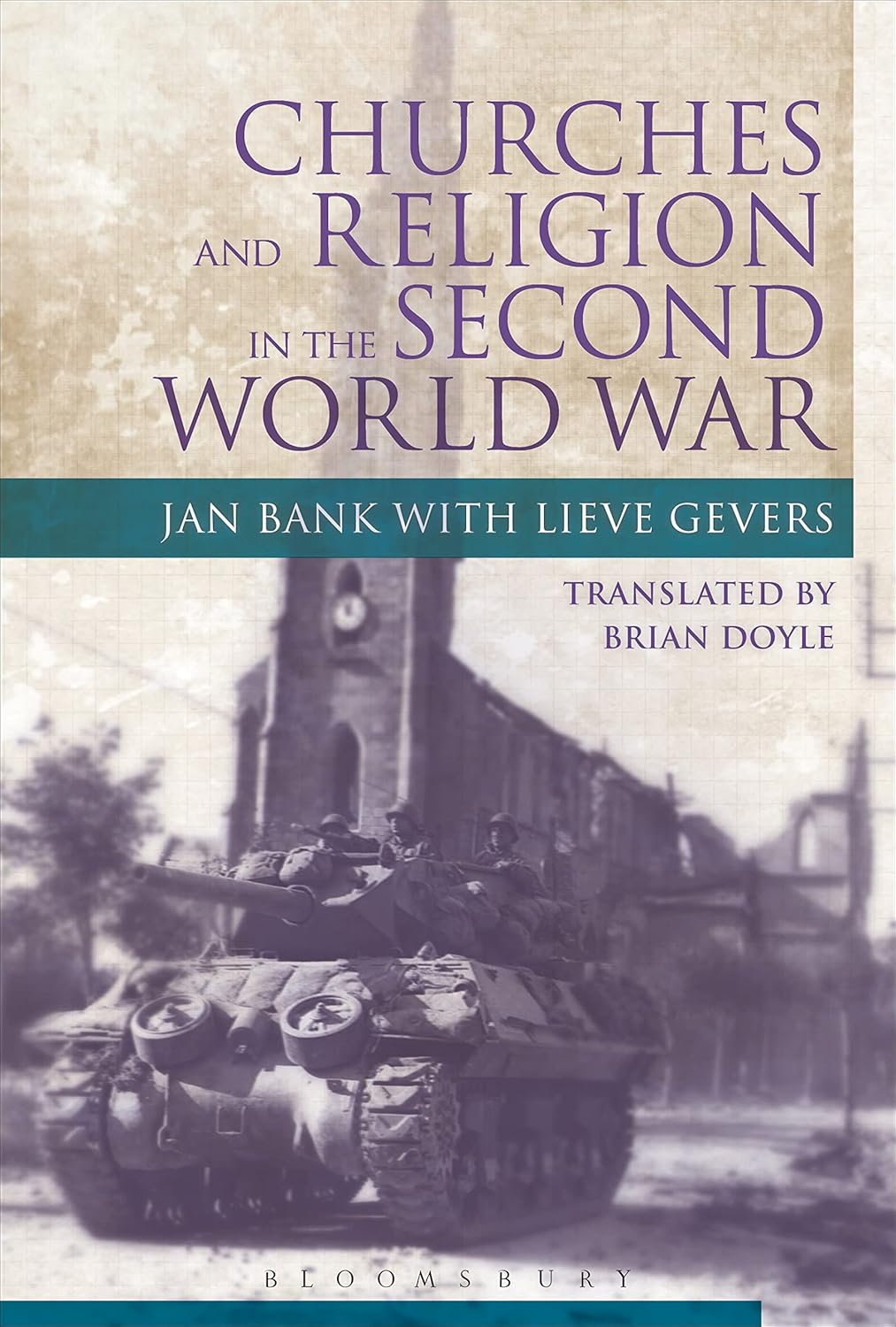
In this review of Churches and Religion in the Second World War the authors Jan Bank and Lieve Gevers present a focused, scholarly examination of faith under occupation, and it is best suited to readers seeking rigorous historical analysis rather than a general overview. The single biggest reason to buy is its sustained attention to how Christian traditions - Catholicism, Lutheranism, Calvinism and Orthodoxy - shaped responses to occupation, resistance and the persecution of Jews across Europe. The review finds the book valuable for researchers and informed readers interested in religion as a factor in wartime identity and moral choices.
Key Features
- Comprehensive thematic analysis: The book unpacks relations between religious institutions and occupying forces, offering nuanced case studies that clarify institutional behavior under pressure.
- Focus on multiple Christian traditions: By covering Catholic, Lutheran, Calvinist and Orthodox communities it highlights comparative differences in theology and practice during the war.
- Discussion of religion and national identity: The text demonstrates how faith often intertwined with national identity and could motivate both collaboration and resistance.
- Attention to the Holocaust: The authors engage directly with theological responses to Fascist and National Socialist persecution of Jews and consider Christians as bystanders or protectors.
- Detailed archival grounding: The narrative relies on European historical sources to build a richly detailed account of wartime religious life.
Who It's For
This work is aimed at students, historians and informed readers who want a critical, scholarly treatment of religion in occupied Europe during the Second World War. It suits those looking for comparative religious analysis rather than a single-country narrative.
Readers seeking a short introductory overview or a popular narrative of wartime anecdotes may want a more general history; this book is denser and assumes some prior familiarity with wartime chronology and institutional history.
Pros & Cons
Pros
- Wide-ranging comparative scope that places churches and religion at the center of wartime analysis.
- Careful treatment of theological responses to Fascism and Nazism, useful for ethics and religion scholars.
- Illuminates the diverse roles of Christians as bystanders, resisters and protectors during the Holocaust.
- Grounded in European archival research, giving detailed historical specificity.
Cons
- The scholarly tone and depth mean the book is less accessible to casual readers seeking a light overview.
- Limited appeal if a reader expects broad social history beyond religious institutions.
Specifications
| Title | Churches and Religion in the Second World War |
| Series | Occupation in Europe |
| Authors | Jan Bank, Lieve Gevers |
| Scope | Christian religions in occupied Europe (Catholicism, Lutheranism, Calvinism, Orthodoxy) |
| Key themes | Relations with occupying forces; religion and national identity; theological responses; Holocaust roles; religious life |
| Intended audience | Students, historians, scholars of religion and Holocaust studies |
Our Verdict
Churches and Religion in the Second World War is a substantive, well-researched study that fills a gap in European wartime historiography by centering religious institutions and theology. It is good value for scholars and serious readers who want comparative analysis of Christian responses to occupation and the Holocaust; casual readers seeking a light introduction should look elsewhere.
Frequently Asked Questions
Does this book cover different Christian denominations?
Yes. It explicitly treats Catholicism, Lutheranism, Calvinism and Orthodoxy across occupied Europe.
Is the book suitable for undergraduate courses?
It can be used in advanced undergraduate or graduate courses where students have background in wartime history or religious studies, though instructors may need to contextualize some archives and terminology.
Does it address the Holocaust directly?
Yes. The authors discuss theological answers to persecution and analyze the roles of Christians as bystanders or protectors during the Holocaust.
Editor's Take
A well-researched, comparative study that centers Christian institutions and theology in occupied Europe; recommended for scholars and serious readers interested in religion, resistance and the Holocaust.

Recently viewed
Recently viewed products will appear here as customers browse the store.