

Clinical Evaluation and Management of Spasticity - Practical Clinical
Clinical Evaluation and Management of Spasticity - Practical Clinical
Price subject to change. Tap below for current.
Couldn't load pickup availability
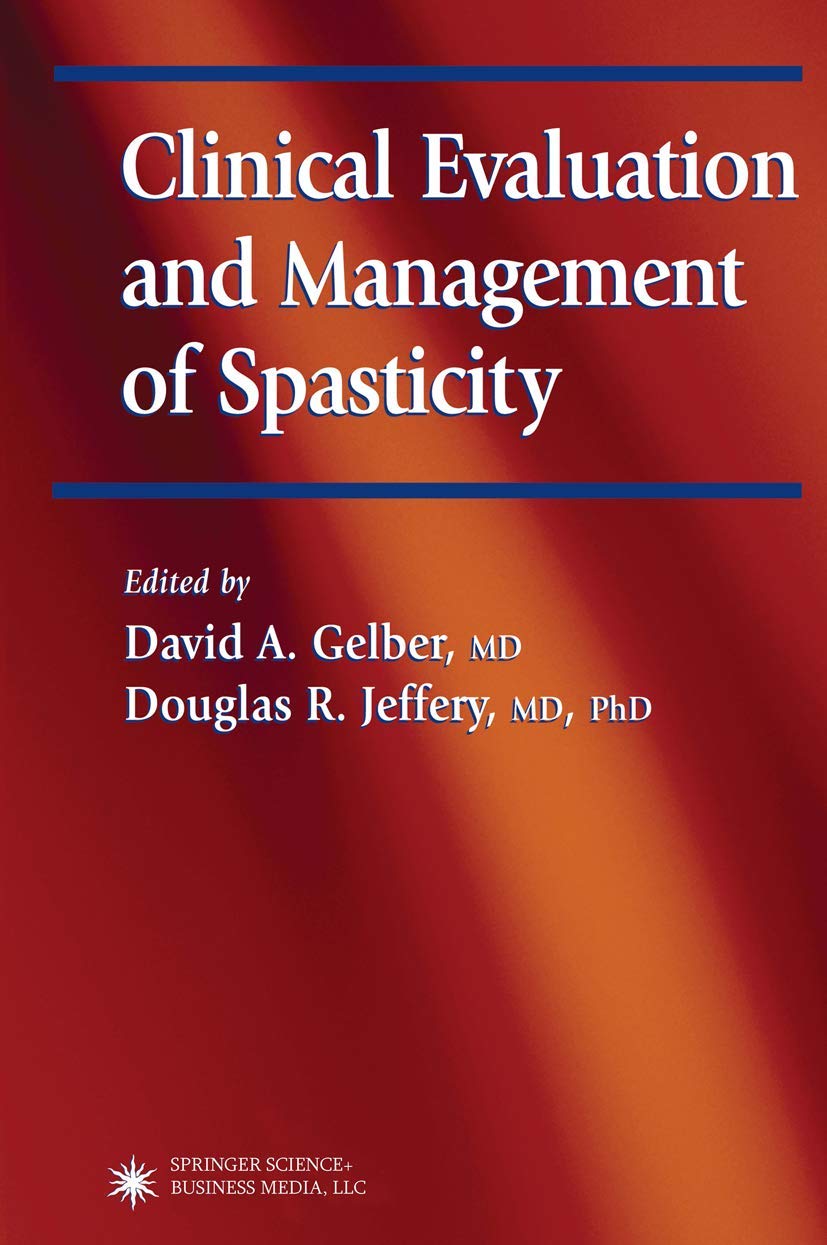
Our review of Clinical Evaluation and Management of Spasticity finds it a focused, authoritative resource for clinicians and trainees who treat chronic neurologic spasticity. Edited by David A. Gelber and Douglas R. Jeffery, this book delivers comprehensive, clinically oriented chapters that explain pathophysiology and map directly to treatment choices, making it most valuable for neurologists, physiatrists, and rehabilitation therapists seeking practical guidance rather than a general textbook. The single biggest reason to buy is its collection of expert review articles that link mechanisms to concrete medical, surgical, and rehabilitative interventions in one volume.
Key Features
- Comprehensive coverage: Chapters review the pathophysiology of chronic spasticity to provide a foundation for targeted treatment decisions.
- Multidisciplinary approaches: The book details physical and occupational therapy, splinting and orthotics, and electrical stimulation so teams can coordinate care.
- Pharmacologic options: Contributors describe use of botulinum toxin, tizanidine, and intrathecal medications with clinical context for patient selection.
- Surgical and interventional techniques: Orthopedic interventions, nerve blocks, and neurosurgical techniques are covered to inform referral and procedural planning.
- Disease-specific chapters: Practical reviews address spasticity across spinal cord injury, multiple sclerosis, stroke, cerebral palsy, and traumatic brain injury for tailored care.
Who It's For
This book is aimed at neurologists, physiatrists, rehabilitation physicians, and allied therapists who manage patients with persistent spasticity and need evidence-informed options spanning conservative to invasive care. Residents and fellows in neurology or PM&R will find clear, expert-led summaries that bridge pathophysiology and therapy.
It is less suited for lay readers seeking basic self-help advice or for clinicians who want a pocket quick-reference; the text is structured as scholarly review chapters rather than brief protocols or algorithms.
Pros & Cons
Pros
- Authoritative contributions from specialists provide clinical depth and a strong pathophysiologic framework.
- Wide range of treatments covered helps teams plan coordinated, multimodal care.
- Disease-specific content makes it straightforward to apply principles to common neurologic conditions.
Cons
- As a collection of review articles, it is more detailed than a quick-reference guide and may not serve as a rapid bedside resource.
Specifications
| Title | Clinical Evaluation and Management of Spasticity |
| Editors | David A. Gelber, Douglas R. Jeffery |
| Scope | Pathophysiology and medical, surgical, rehabilitative management |
| Therapies covered | Physical/occupational therapy, splints, orthotics, electrical stimulation |
| Interventions included | Botulinum toxin, tizanidine, intrathecal medications, nerve blocks, surgery |
| Target conditions | Spinal cord injury, multiple sclerosis, stroke, cerebral palsy, TBI |
Our Verdict
Clinical Evaluation and Management of Spasticity is a high-value, clinically oriented review collection for specialists and trainees who need an integrated summary of mechanisms and treatment options. It excels where clinicians want expert perspective on when to use conservative, pharmacologic, or surgical strategies and is worth acquiring for team-based rehabilitation programs.
Frequently Asked Questions
Does this book cover botulinum toxin use?
Yes. Several chapters discuss botulinum toxin application and selection criteria within broader treatment strategies.
Is the book useful for non-physician therapists?
Yes. Physical and occupational therapy, splinting, and orthotic management are described, making it useful for rehabilitation therapists working in multidisciplinary teams.
Are disease-specific approaches included?
Yes. Contributors review spasticity management in spinal cord injury, multiple sclerosis, stroke, cerebral palsy, and traumatic brain injury.
Editor's Take
A focused, authoritative collection of expert reviews linking spasticity pathophysiology to practical medical, surgical, and rehabilitative management; ideal for clinicians and trainees seeking integrated treatment guidance.

Recently viewed
Recently viewed products will appear here as customers browse the store.