

Clinical Surveillance: Actionable Medical Device Data for Decisions
Clinical Surveillance: Actionable Medical Device Data for Decisions
Price subject to change. Tap below for current.
Couldn't load pickup availability
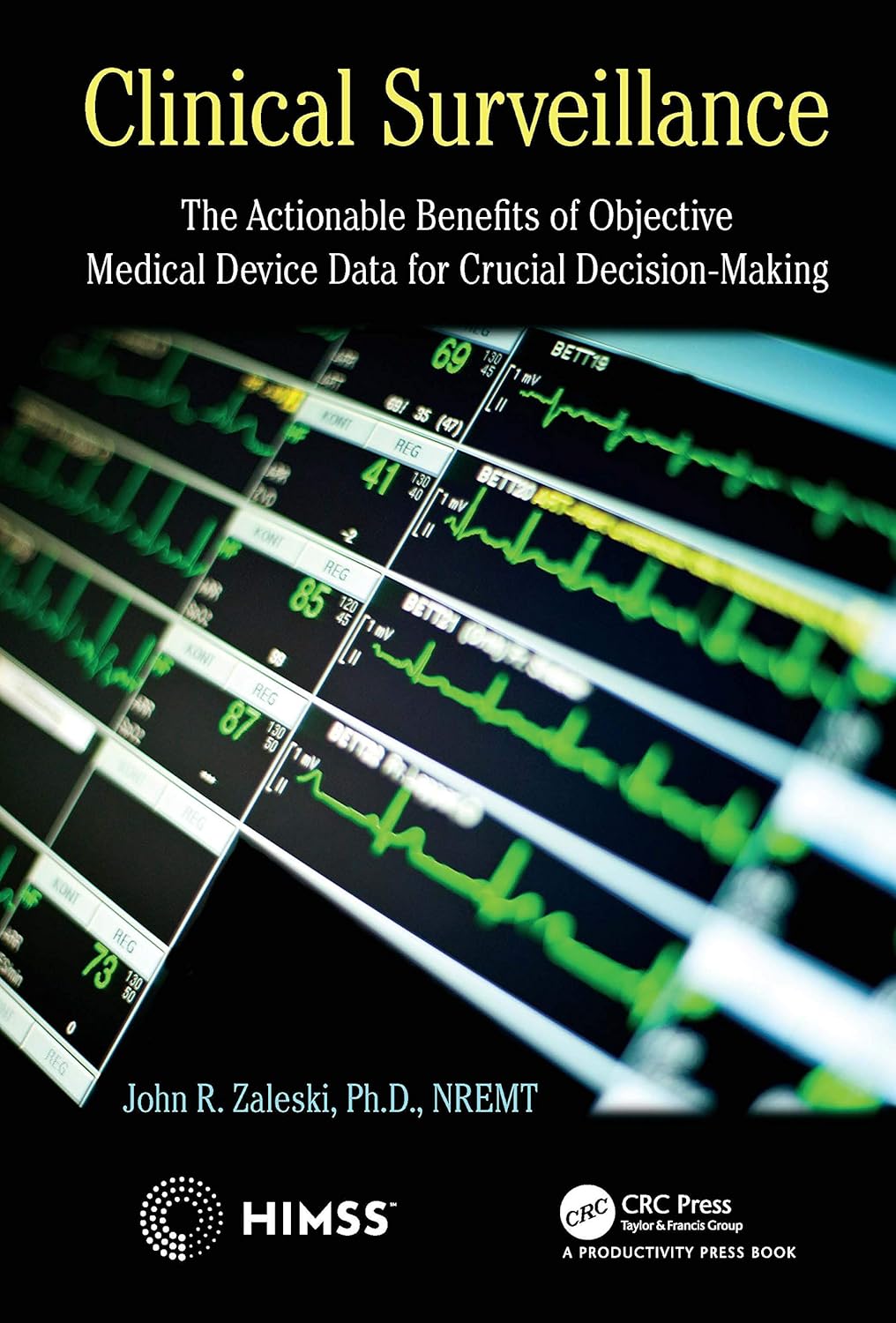
In this review of Clinical Surveillance: The Actionable Benefits of Objective Medical Device Data for Critical Decision-Making, the bottom line is clear: this is a focused, practical examination of how automated device data can improve clinical workflows and oversight. Written for clinicians, informaticists, and health IT leaders, the book centers on the use of objective data from durable medical devices to support critical decision making. Its primary strength is a sustained look at how device-captured time-series and imaging data integrate with broader records to guide care, making it a worthwhile read for anyone building or evaluating clinical surveillance systems.
Key Features
- Device data focus: Emphasizes automated capture of objective measurements from durable medical devices and how those data sources feed clinical workflows.
- Clinical guidance orientation: Explores practical uses of device-derived time-series and spot-assessment data to support decision making at the point of care.
- Integration perspective: Discusses the role of device data within the larger patient record and the evolving relationship with the electronic health record.
- Workflow support: Shows how captured device information can be used to guide and improve longitudinal oversight and care coordination.
- Debate and context: Frames the technical and clinical debates around capture, sharing, and use of device data rather than offering speculative solutions.
Who It's For
The book is best for hospital leaders, clinical informatics professionals, biomedical engineers, and quality improvement managers who need a grounded perspective on the benefits of objective device data for patient oversight. Readers who are building surveillance systems or evaluating data capture strategies will find the practical orientation most useful.
Those looking for step-by-step implementation checklists, vendor evaluations, or deep technical specifications for device interfaces should look elsewhere; this work is oriented toward clinical benefit, workflow impact, and the conceptual integration of device data into care rather than acting as an engineering manual.
Pros & Cons
Pros
- Clear emphasis on the value of objective device data for improved longitudinal patient oversight and decision making.
- Practical discussion of how time-series vital signs and imaging can support clinical workflows and guidance.
- Helpful framing of the debate around capture and use of device data within the electronic health record context.
Cons
- Not a technical implementation guide, so readers seeking detailed integration steps or vendor comparisons may find it limited.
Specifications
| Title | Clinical Surveillance: The Actionable Benefits of Objective Medical Device Data for Critical Decision-Making |
| Series | HIMSS Book Series |
| Author | John Zaleski |
| Focus | Automated capture and clinical use of durable medical device data |
| Audience | Clinicians, informaticists, health IT and quality leaders |
| Topics covered | Device data, time-series vital signs, imaging, EHR integration, clinical workflows |
Our Verdict
Clinical Surveillance offers a concise, clinically oriented examination of how objective device data can improve decision making and longitudinal oversight. It is good value for health system leaders and informatics teams who need a conceptual, workflow-focused resource rather than a technical integration manual.
Frequently Asked Questions
Does the book explain how device data integrates with EHRs?
The book discusses integration in a conceptual and workflow-focused way, highlighting the evolving role of device data within the patient record.
Is this a technical guide for device interface implementation?
No, the emphasis is on clinical benefit and practical use cases rather than step-by-step technical integration instructions.
Who will benefit most from reading this book?
Clinicians, informaticists, and health IT leaders interested in using objective device data to guide care and improve surveillance will gain the most insight.
Editor's Take
Clinical Surveillance is a concise, clinically focused examination of how objective device data supports decision making and longitudinal oversight; best for informatics and health system leaders seeking conceptual and workflow guidance rather than technical integration details.

Recently viewed
Recently viewed products will appear here as customers browse the store.