

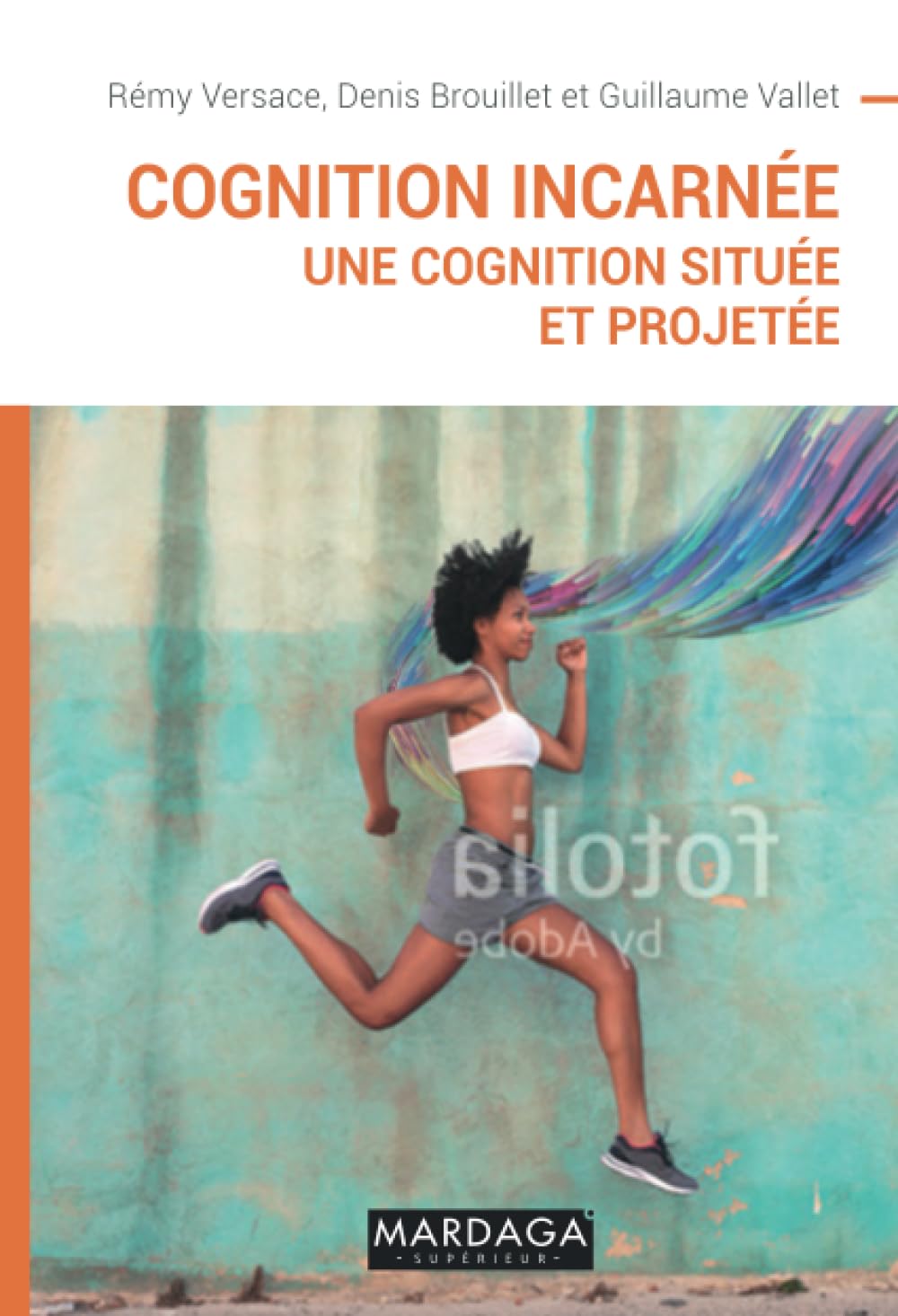
Cognition incarnee: Une cognition situee et projete
Cognition incarnee: Une cognition situee et projete
Price subject to change. Tap below for current.
Couldn't load pickup availability
Our review of Cognition incarnee: Une cognition situee et projetee finds it most valuable for readers interested in contemporary approaches to mind and action. Written in French, the book argues that cognition is rooted in bodily interaction and situated in real contexts rather than confined to an isolated brain. This review highlights how the authors present the embodied and enactive perspective clearly enough for graduate students and curious professionals, while offering rigorous argumentation that researchers in cognitive science will appreciate.
Key Features
- Embodied perspective: The book emphasizes that cognition is rooted in bodily states and sensorimotor interactions, offering a clear shift from brain-centered models to an enactment view.
- Situated approach: It explains how cognitive processes are inseparable from the situations in which they arise, helping readers connect theory to real-world contexts.
- Action-centered theory: The authors argue that inter-action and action dynamics are primary sources of cognition, which clarifies the functional role of behavior in cognitive explanations.
- Theoretical synthesis: The volume brings together ideas about how past and present sensorimotor experiences ground cognitive structure, useful for interdisciplinary readers.
- French-language scholarship: It provides access to current debates in French, making it a valuable resource for Francophone students and researchers.
Who It's For
Cognition incarnee is best suited to graduate students, cognitive scientists, philosophers of mind, and advanced undergraduates who already have some familiarity with cognitive theory and want a focused treatment of embodied and situated cognition. Its argument-driven style rewards readers who follow dense theoretical discussions and who want to integrate sensorimotor and social dimensions into their understanding of cognition.
Those who prefer an introductory textbook, empirical handbooks with extensive experimental protocols, or short popular summaries should look elsewhere, since this work is concentrated on conceptual framing and theoretical development rather than step-by-step empirical methods.
Pros & Cons
Pros
- The text persuasively reframes cognition as an embodied, situated, and projected phenomenon, which aids conceptual clarity.
- Authors synthesize sensorimotor and social aspects, making the work relevant across cognitive psychology and behavioral sciences.
- Written in French, it fills a need for scholarship accessible to Francophone researchers and students.
Cons
- Theoretical density and language may be challenging for casual readers or those without prior exposure to cognitive science.
Specifications
| Title | Cognition incarnee: Une cognition situee et projete (French Edition) |
| Authors | Remy Versace, Denis Brouillet, Guillaume Vallet |
| Language | French |
| Focus | Embodied and situated cognition; enactment and action-centered theory |
| Intended audience | Graduate students, researchers in cognitive science and philosophy |
| Approach | Theoretical synthesis of sensorimotor, social, and situational aspects |
Our Verdict
Cognition incarnee is a thoughtful, conceptually rich contribution for readers who want to move beyond brain-bound models and explore how action and situation shape cognition. It is particularly good value for Francophone scholars and graduate students seeking a rigorous treatment of embodied and enacted approaches, though casual readers may find the style demanding.
Frequently Asked Questions
Is this book suitable for beginners?
The book is primarily theoretical and best suited to readers with some background in cognitive science rather than absolute beginners.
What is the main argument of the book?
The authors argue that cognition is embodied and situated, emerging from sensorimotor interactions and enacted in context rather than located solely in the brain.
Who are the authors?
Remy Versace, Denis Brouillet, and Guillaume Vallet collaborate to present an integrated view of embodied and situated cognition in French.
Editor's Take
Cognition incarnee is a conceptually rich, French-language treatment of embodied and situated cognition that is well suited to graduate students and researchers who want a rigorous, action-centered alternative to brain-bound models.

Recently viewed
Recently viewed products will appear here as customers browse the store.