

Cognitive-Behavioral Therapy for Sexual Dysfunction - Clinical Guide
Cognitive-Behavioral Therapy for Sexual Dysfunction - Clinical Guide
Price subject to change. Tap below for current.
Couldn't load pickup availability
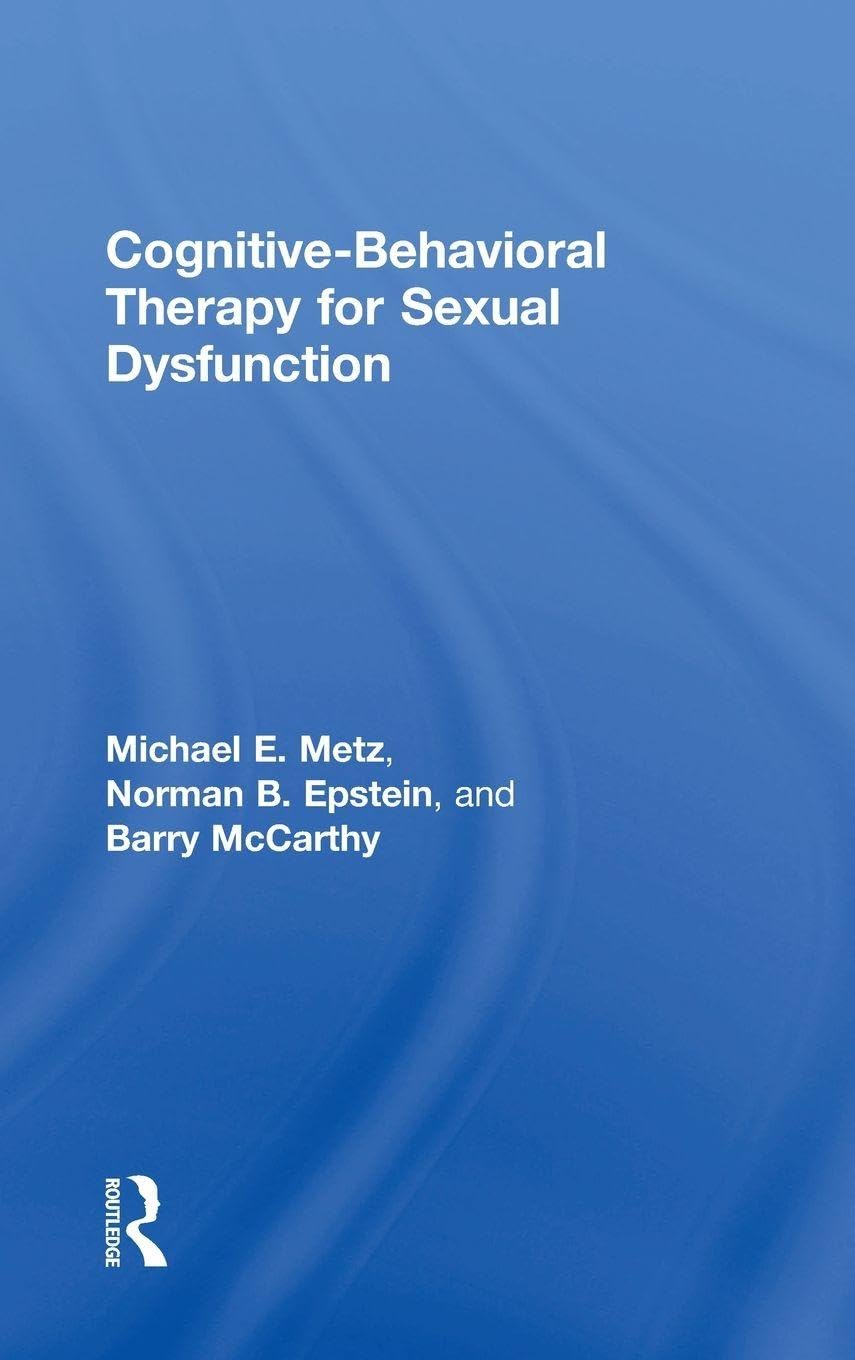
In this review of Cognitive-Behavioral Therapy for Sexual Dysfunction, the bottom line is clear: clinicians and advanced trainees who work with couples will find the most practical, clinically oriented guide to a couple cognitive-behavioral approach. The book's single biggest reason to buy is its integration of a biopsychosocial framework with concrete, empirically-based strategies that translate theory into session-ready interventions. This review focuses on how the text supports assessment, treatment planning, and relapse prevention while emphasizing the Good Enough Sex model rather than a performance-focused standard.
Key Features
- Biopsychosocial model: Provides a comprehensive framework that helps clinicians evaluate biological, psychological, and relational contributors to sexual dysfunction for more accurate case formulation.
- Couple-focused strategies: Describes interventions tailored to couples, enabling therapists to address shared patterns and communication around desire and satisfaction.
- Good Enough Sex model: Reframes goals toward shared sexual pleasure, reducing pressure on individual performance and improving relational outcomes.
- Practical techniques: Offers empirically-based exercises and session structures that can be directly applied in clinical practice with minimal adaptation.
- Relapse prevention: Lays out concrete steps for sustaining gains and managing setbacks, useful for long-term therapy planning.
Who It's For
This title is best suited for licensed therapists, graduate students in clinical training, and specialists in sex therapy who need a detailed, couple-oriented cognitive-behavioral manual. Its practical orientation and empirically-grounded techniques make it especially useful for clinicians seeking session-ready interventions and a coherent model for assessment and treatment.
Those looking for a purely biomedical overview, a brief handbook for lay readers, or an introductory pamphlet on sexual health may find this volume more detailed than necessary; similarly, readers seeking extensive case studies from a single-author perspective should note that the book reflects collaborative contributions centered on Mike Metz's approach.
Pros & Cons
Pros
- Comprehensive biopsychosocial model that enhances clinical case conceptualization.
- Clear, couple-centered techniques that help therapists shift focus from performance to shared satisfaction.
- Actionable relapse prevention guidance that supports durable treatment outcomes.
Cons
- The book is practice-focused and may feel dense for readers seeking a brief overview or a purely biological treatment perspective.
Specifications
| Title | Cognitive-Behavioral Therapy for Sexual Dysfunction |
| Series | Practical Clinical Guidebooks |
| Authors / Brand | Michael Metz, Norman Epstein, Barry Mccarthy |
| Approach | Couple cognitive-behavioral, biopsychosocial |
| Clinical focus | Assessment, treatment, relapse prevention for sexual dysfunction |
| Key model | Good Enough Sex (GES) model |
Our Verdict
For clinicians and advanced trainees who treat sexual dysfunction in couples, this guide delivers strong practical value through an integrated biopsychosocial model and concrete, empirically-informed techniques. It is best purchased by therapists who want session-ready interventions and a couple-focused framework that prioritizes shared satisfaction over individual performance.
Frequently Asked Questions
Is this book suitable for individual therapy?
The emphasis is on couple therapy, but many cognitive-behavioral assessment and intervention principles can be adapted for individual work.
Does it cover relapse prevention?
Yes; the book explicitly addresses relapse prevention with practical steps for maintaining therapeutic gains.
Who contributed to the approach presented?
The volume reflects contributions centering on Mike Metz's work, with additional authors Norman Epstein and Barry Mccarthy shaping the practical clinical guidance.
Editor's Take
This practical, couple-focused CBT guide offers clinicians and trainees a biopsychosocial model and session-ready techniques that prioritize shared sexual satisfaction and include relapse prevention guidance.

Recently viewed
Recently viewed products will appear here as customers browse the store.