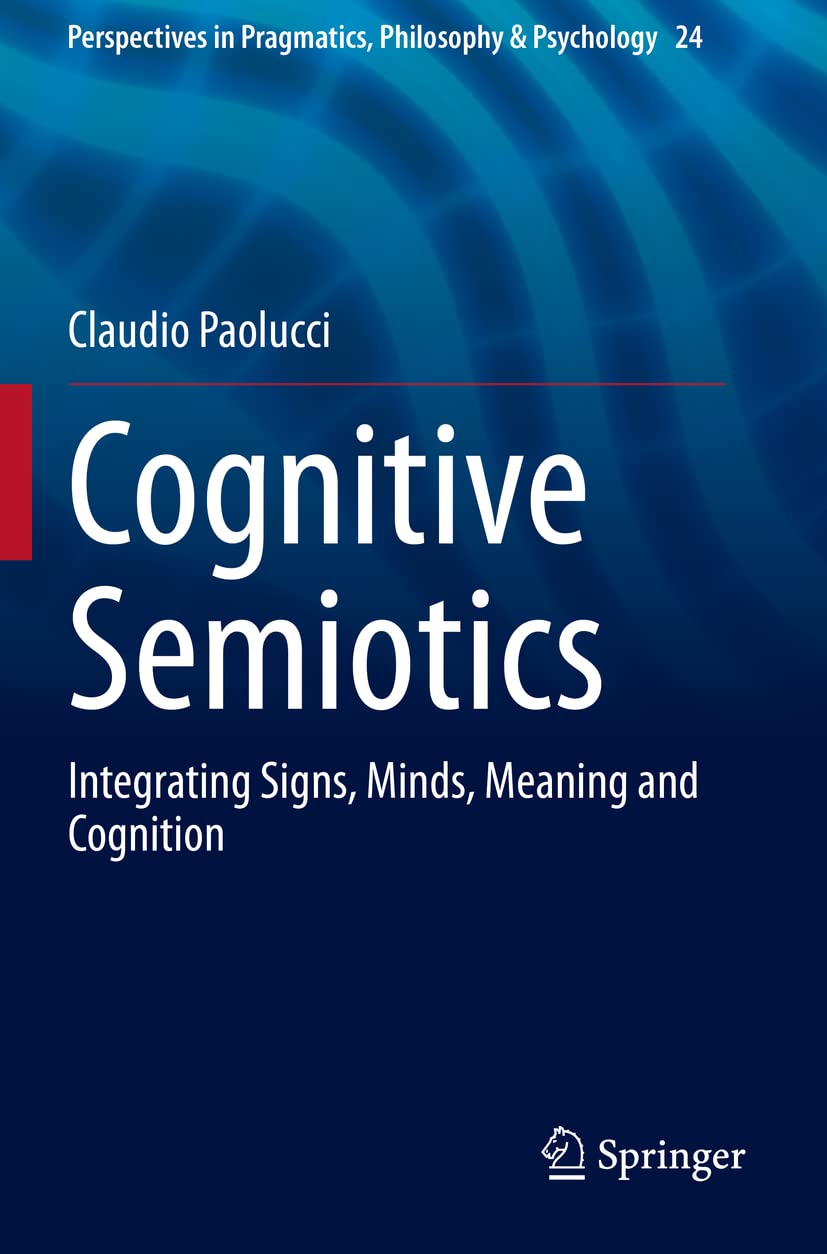
Cognitive Semiotics by Claudio Paolucci: A Deep Dive
Cognitive Semiotics by Claudio Paolucci: A Deep Dive
Price subject to change. Tap below for current.
Couldn't load pickup availability
Cognitive Semiotics by Claudio Paolucci is an essential read for anyone interested in the intricate relationship between signs, minds, meaning, and cognition. This book delves into the fascinating world of semiotics, exploring how we interpret signs and the cognitive processes behind these interpretations. Paolucci's work is a significant contribution to the field of pragmatics, philosophy, and psychology, making it a must-have for scholars and enthusiasts alike.
In this comprehensive volume, Paolucci presents a thorough examination of the integration of signs within cognitive frameworks. He argues that understanding signs is not merely about their representation but also about how they influence our thoughts and actions. This perspective opens up new avenues for research and discussion, making it a pivotal text for those studying the intersection of language and cognition.
The book is structured to guide readers through complex theories with clarity. Each chapter builds upon the last, ensuring that even those new to the subject can grasp the fundamental concepts of meaning and cognition. Paolucci's writing style is engaging, making the theoretical aspects accessible without sacrificing depth.
One of the standout features of this work is its interdisciplinary approach. By drawing from various fields, including philosophy and psychology, Paolucci enriches the discussion around cognitive semiotics. This holistic view encourages readers to think critically about how signs operate within different contexts and how they shape our understanding of the world.
Moreover, the book includes numerous case studies and examples that illustrate the practical applications of semiotic theory. These real-world scenarios help to ground the theoretical discussions, making the content relatable and applicable. Readers will find themselves reflecting on their own experiences with signs and meanings, fostering a deeper appreciation for the subject.
Paolucci also addresses contemporary issues in the field, such as the impact of digital communication on sign interpretation. In an age where signs are constantly evolving, understanding their cognitive implications is more crucial than ever. This timely discussion positions the book as a relevant resource for current and future research.
In conclusion, Cognitive Semiotics by Claudio Paolucci is a profound exploration of how we understand signs and meanings. Its blend of theory, practical examples, and interdisciplinary insights makes it an invaluable addition to any academic library. Whether you are a student, researcher, or simply curious about the cognitive processes behind sign interpretation, this book will provide you with a wealth of knowledge and provoke thoughtful discussions.
Share