

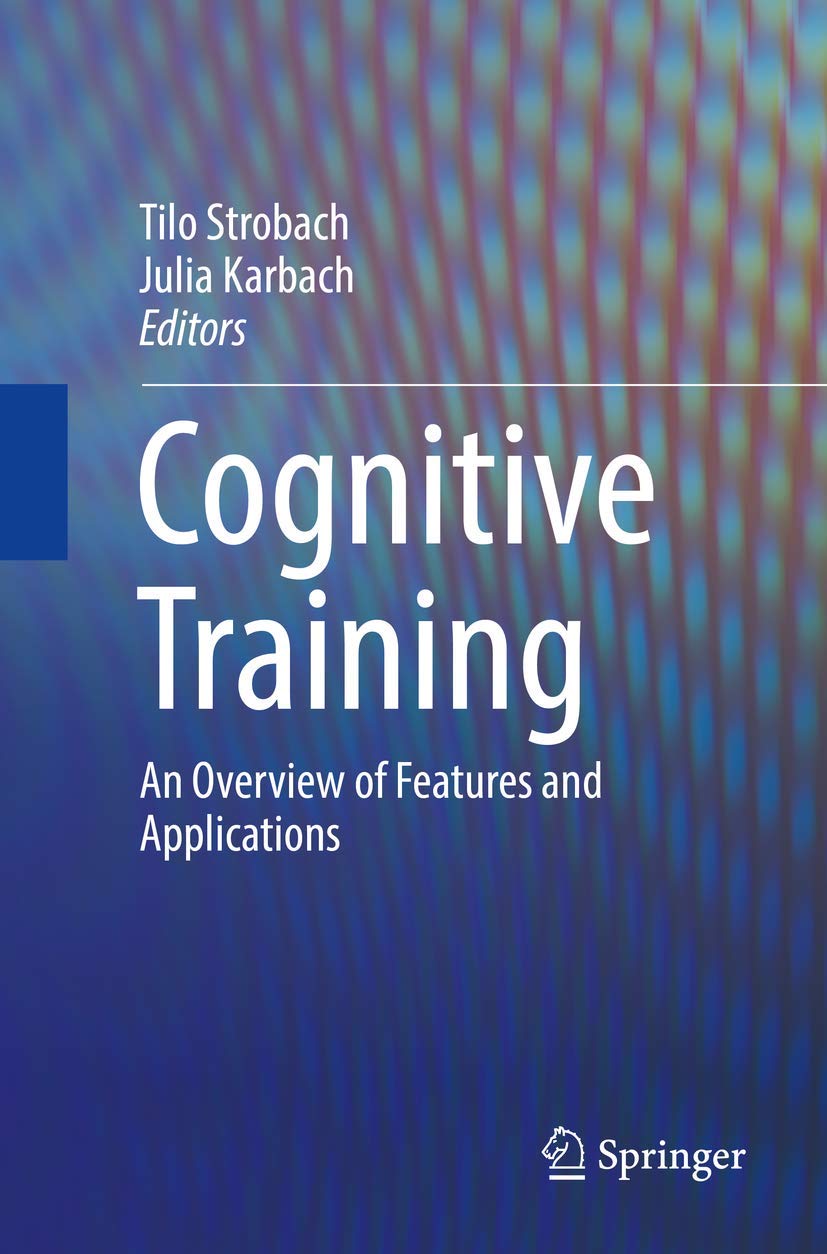
Cognitive Training: An Overview of Features and Applications
Cognitive Training: An Overview of Features and Applications
Price subject to change. Tap below for current.
Couldn't load pickup availability
In this review of Cognitive Training: An Overview of Features and Applications the bottom line is clear: this is a thoughtful, research-focused synthesis best suited for scholars, graduate students and clinicians who want a rigorous update on training interventions and the mechanisms behind cognitive change. The book brings together an international team to critically examine evidence for cognitive and physical training, and the single biggest reason to buy is its emphasis on methodological clarity and on explaining why results vary across interventions and measurement approaches.
Key Features
- Comprehensive synthesis: The book reviews empirical findings across multiple cognitive domains to give readers a broad, evidence-based picture of training outcomes.
- International contributors: Chapters are written by a cutting edge team of researchers, offering a range of perspectives and approaches to cognitive training research.
- Methodological focus: It clarifies common methodological issues and suggests how measurement and analysis choices influence observed training gains.
- Mechanisms explored: Contributors discuss neural and cognitive mechanisms that may underlie training-induced changes, helping readers connect theory to data.
- Target population coverage: The volume examines interventions across different target groups, making it useful for applied researchers and clinicians.
Who It's For
This book is aimed at researchers in cognitive psychology, neuroscientists, and advanced students who need a rigorous review of the literature on training interventions and the methodological debates that surround them. Practitioners designing trials or clinicians interpreting training claims will also find its discussions of measurement and analysis particularly useful.
Readers looking for a beginner primer, simple how-to training programs, or quick self-help routines should look elsewhere; the text assumes familiarity with research methods and invests more in critical synthesis than in step-by-step training protocols.
Pros & Cons
Pros
- Provides a thorough, evidence-focused overview of cognitive and physical training findings.
- Strong emphasis on methodological issues helps readers interpret mixed results across studies.
- International contributor base brings diverse perspectives on mechanisms and applications.
Cons
- Not a practical manual for nonresearch readers, as it focuses on empirical and methodological detail rather than exercises.
Specifications
| Title | Cognitive Training: An Overview of Features and Applications |
| Authors / Editors | Tilo Strobach, Julia Karbach |
| Scope | Empirical findings and methodological approaches in cognitive training research |
| Focus areas | Cognitive and physical training, measurement, neural mechanisms |
| Audience | Researchers, graduate students, clinicians |
| Content type | Critical reviews by international contributors |
Our Verdict
Cognitive Training: An Overview of Features and Applications is a high-value, scholarly review for anyone engaged in cognitive training research or applied trials. Its careful treatment of measurement, analysis and underlying mechanisms makes it a useful reference for interpreting mixed results and for planning rigorous studies, though it is not intended as a practical training guide for lay readers.
Frequently Asked Questions
Does this book include practical training programs?
No. The book emphasizes empirical review and methodological discussion rather than step-by-step training exercises.
Who contributed to the volume?
An international team of cutting edge researchers provided chapters that cover diverse perspectives on cognitive training research.
Will this help design better studies?
Yes. The book's focus on measurement and analysis choices is particularly useful for researchers designing rigorous interventions and interpreting results.
Editor's Take
A rigorous, research-focused synthesis that clarifies methodological issues and mechanisms in cognitive and physical training, recommended for researchers and clinicians though not a practical training manual.

Recently viewed
Recently viewed products will appear here as customers browse the store.