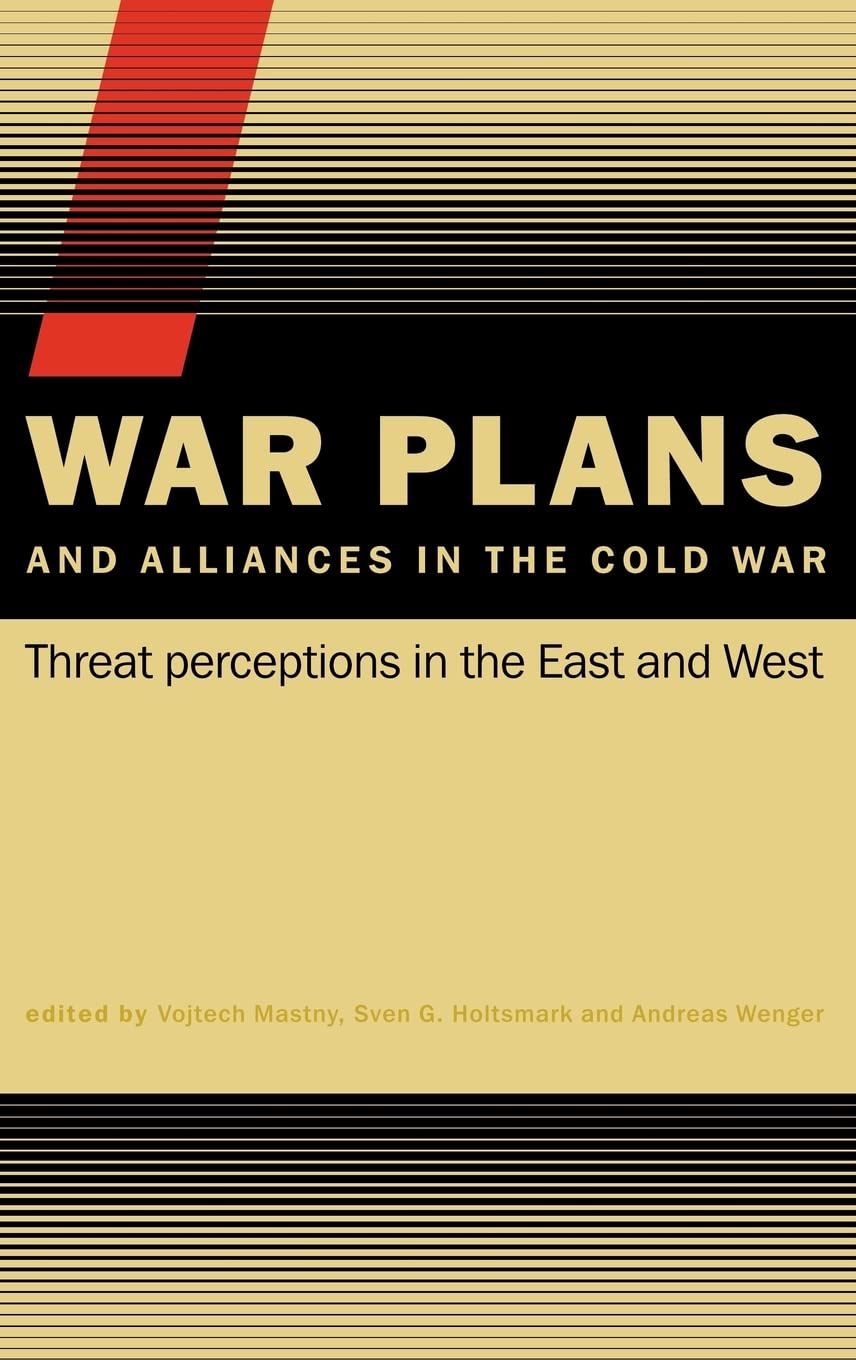
Cold War Threat Perceptions: Analyzing East and West Alliances
Cold War Threat Perceptions: Analyzing East and West Alliances
Price subject to change. Tap below for current.
Couldn't load pickup availability
The book War Plans and Alliances in the Cold War offers an in-depth analysis of the geopolitical landscape during one of the most tense periods in modern history. Authored by Vojtech Mastny, Sven Holtsmark, and Andreas Wenger, this comprehensive study examines how various nations perceived threats and formed alliances in response to the Cold War's complexities.
Through meticulous research, the authors unveil the intricate web of international relations that characterized the East-West divide. The book delves into the strategic decisions made by key players, highlighting how these choices were influenced by their respective threat perceptions. Readers will gain insights into the motivations behind military strategies and diplomatic negotiations.
One of the standout features of this work is its focus on case studies that illustrate the diverse approaches taken by different countries. By analyzing specific events and decisions, the authors provide a nuanced understanding of how alliances were formed and maintained. This approach not only enriches the narrative but also serves as a valuable resource for scholars and enthusiasts alike.
The authors also address the role of ideology in shaping alliances and military strategies. The Cold War was not just a battle of arms but also a clash of ideas, and this book captures that essence. The interplay between political beliefs and military actions is explored in detail, making it a critical read for anyone interested in the dynamics of power during this era.
Furthermore, the book examines the impact of nuclear deterrence on international relations. The authors discuss how the threat of nuclear warfare influenced the decisions of both superpowers and smaller nations. This aspect is particularly relevant in today's context, where nuclear capabilities continue to shape global politics.
In addition to its rich content, the book is well-structured, making it accessible to a wide audience. Each chapter builds upon the last, guiding readers through the complexities of Cold War alliances and strategies. The use of clear language and engaging narratives ensures that both scholars and general readers can appreciate the depth of analysis presented.
Overall, War Plans and Alliances in the Cold War is an essential addition to the library of anyone interested in security studies, international relations, or Cold War history. Its thorough examination of threat perceptions and alliances provides a comprehensive understanding of the era's geopolitical landscape, making it a must-read for both students and professionals in the field.
Share