

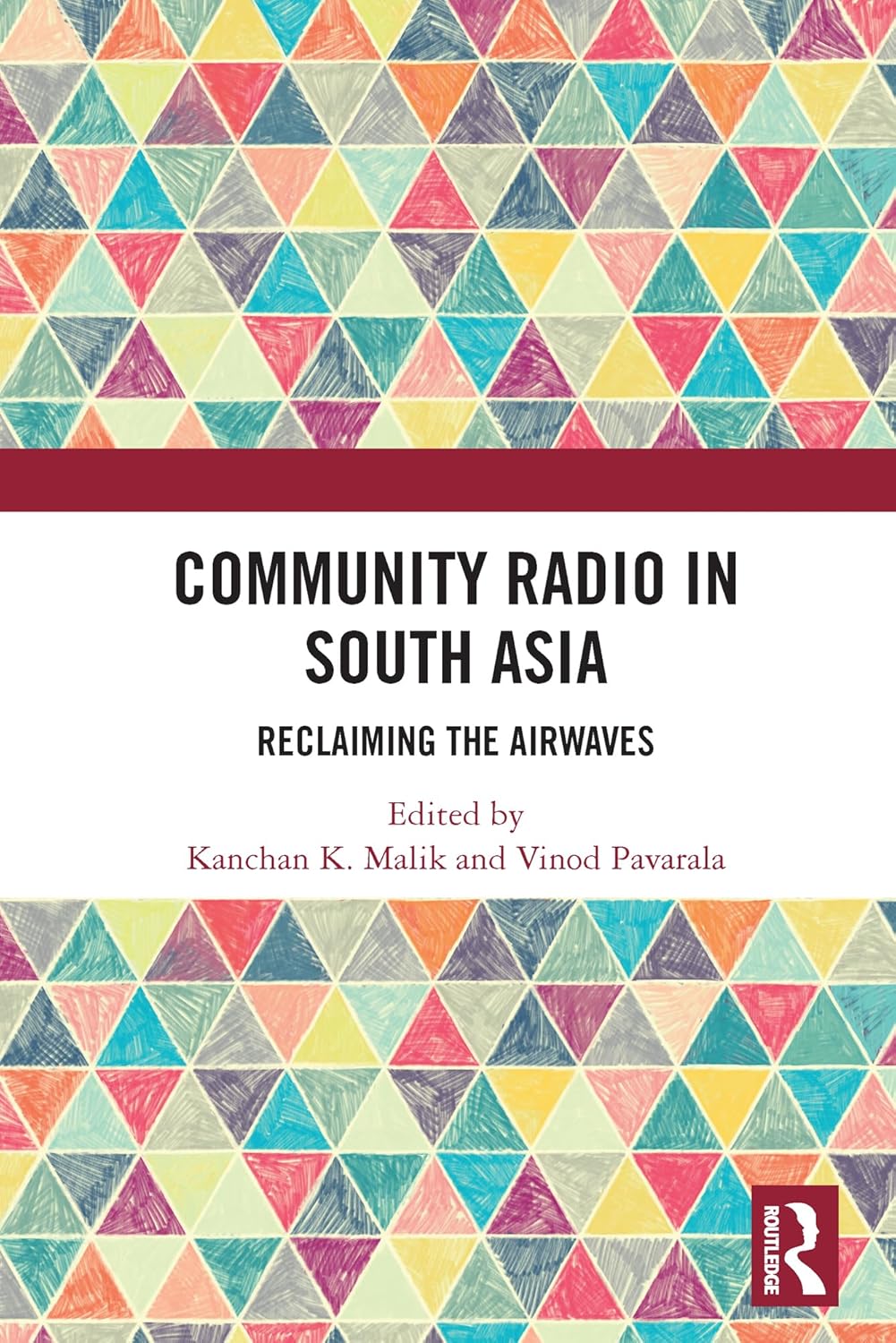
Community Radio in South Asia: Reclaiming the Airwaves
Community Radio in South Asia: Reclaiming the Airwaves
Price subject to change. Tap below for current.
Couldn't load pickup availability
In this review of Community Radio in South Asia: Reclaiming the Airwaves, the bottom line is clear: this volume is for scholars, policy makers and practitioners who want a grounded, region-specific study of the community radio movement and its policy context. The book's chief strength is its combined academic and practitioner perspectives that map how community radio emerged as a distinct third sector of broadcasting across South Asia, making it a valuable reference for anyone researching media pluralism and grassroots communication.
Key Features
- Regional focus: Detailed country-level discussion explains how different South Asian states formulated policies that enabled community radio.
- Historical context: The book situates community radio within socioeconomic and historical forces, helping readers understand its evolution over two decades.
- Practitioner voices: First-hand perspectives from activists and broadcasters provide practical insights into day-to-day functioning and challenges.
- Policy analysis: Clear treatment of regulatory frameworks shows how policy choices shaped the emergence of the sector across the region.
- Media ecology lens: The book frames community radio as part of a pluralistic media ecology, useful for comparative studies of public, private and community broadcasting.
Who It's For
Researchers of communication studies, journalists, NGO staff and policy makers working on media reform will find this book particularly useful because it combines scholarly chapters with practitioner commentary to illuminate both theory and practice. It serves as a reference for those studying media pluralism, grassroots broadcasting and rural information systems in South Asia.
Readers seeking a how-to technical manual for building or operating low-power radio stations should look elsewhere; this volume focuses on policy, history and social context rather than engineering or equipment-level guidance.
Pros & Cons
Pros
- Provides a comprehensive regional overview that clarifies policy differences among South Asian countries.
- Balances academic analysis with practitioner testimony, offering both theory and practical perspective.
- Places community radio within a broader media ecology, useful for comparative and interdisciplinary work.
Cons
- Not a technical guide: readers expecting operational or engineering details will be disappointed.
Specifications
| Title | Community Radio in South Asia: Reclaiming the Airwaves |
| Authors | Kanchan K. Malik, Vinod Pavarala |
| Subject | Community radio, media policy, South Asia |
| Scope | Country-level policy histories and practitioner perspectives |
| Approach | Scholarly chapters interspersed with practitioner viewpoints |
| Focus period | About two decades of the community radio movement |
Our Verdict
Community Radio in South Asia is a well-grounded, policy-oriented collection that will repay reading by academics, policy makers and media activists interested in the emergence of a third broadcasting sector. It offers strong comparative insight and practitioner context, making it good value for those seeking a regional, analytical account rather than technical instruction.
Frequently Asked Questions
Does this book cover multiple South Asian countries?
Yes. The volume outlines country-level policies and experiences across different parts of South Asia.
Is this a technical manual for setting up a radio station?
No. The book focuses on policy, history and social context rather than equipment-level or engineering guidance.
Who are the editors or authors?
The work is by Kanchan K. Malik and Vinod Pavarala, combining academic chapters with practitioner perspectives.
Editor's Take
Community Radio in South Asia is a policy-focused, regionally grounded collection that offers strong comparative insight and practitioner context; ideal for researchers and media policy makers rather than technical operators.

Recently viewed
Recently viewed products will appear here as customers browse the store.