

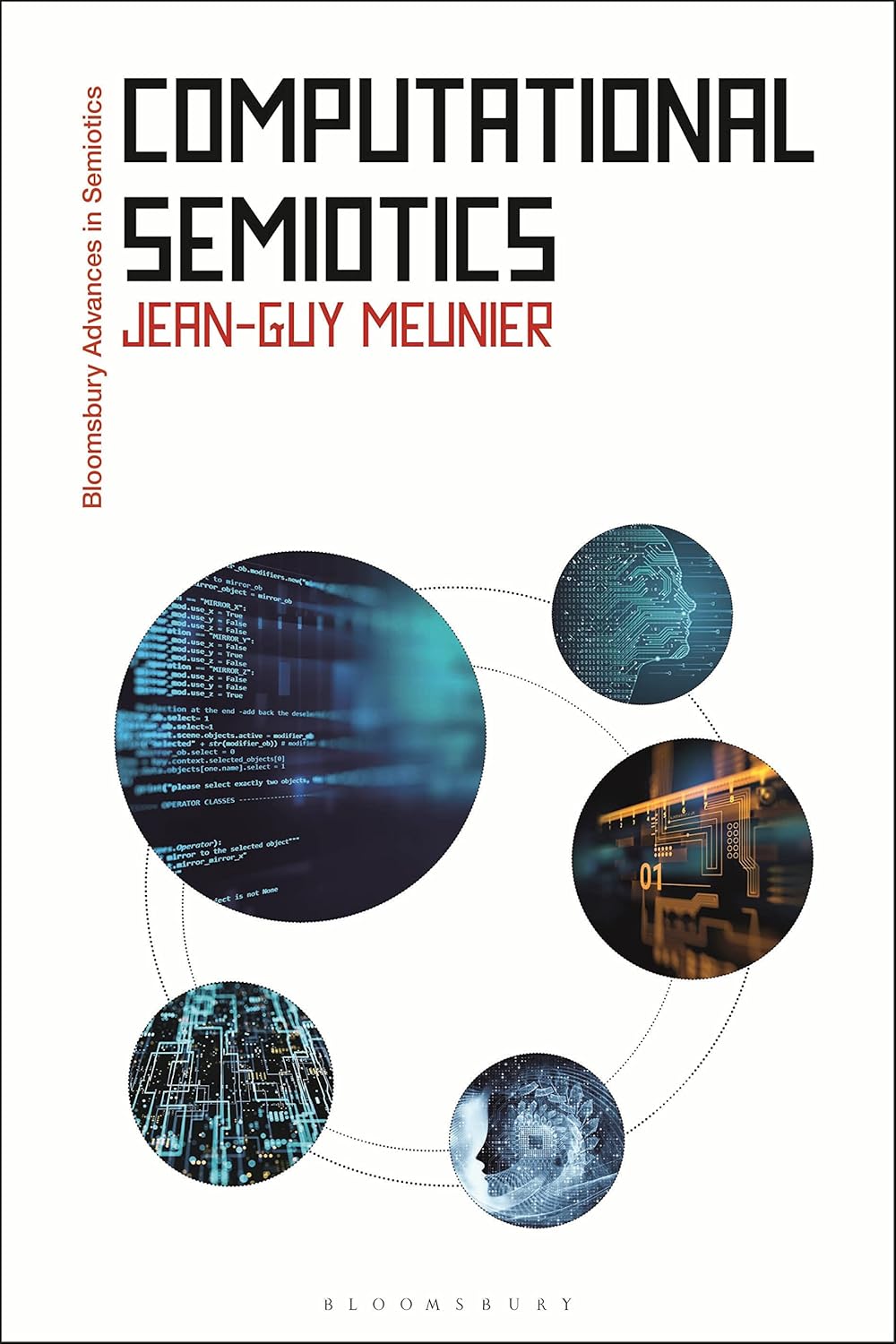
Computational Semiotics - Formal Models for Theory of Signs
Computational Semiotics - Formal Models for Theory of Signs
Price subject to change. Tap below for current.
Couldn't load pickup availability
In this review of Computational Semiotics the authors tackle the provocative question of whether semiotics and computation can be reconciled. The book is best for readers who already accept semiotics as a philosophical or phenomenological tradition and who want a rigorous, methodical path toward formalizing signs. The single biggest reason to read it is its sustained argument that semiotic inquiry can adopt the conceptual, formal, and computational tools commonly used in scientific modeling, making the theory of signs more methodologically rigorous.
Key Features
- Bridges disciplines: Shows how semiotics can be paired with computation to open a domain for formal understanding of signs and sign processes.
- Conceptual formalism: Presents arguments for building conceptual and logical models that bring clarity and consistency to semiotic theory.
- Methodological rigor: Emphasizes how computational methods can strengthen the scientific basis of semiotics and its epistemic claims.
- Phenomenological awareness: Retains attention to semiotics as a philosophical tradition while exploring formal approaches, so the philosophical roots are not neglected.
- Domain focus: Concentrates on semiotic artifacts and processes, offering a sustained inquiry into how signs might be represented and analyzed formally.
Who It's For
Computational Semiotics is aimed at scholars, advanced students, and practitioners in semiotics, philosophy of language, cognitive science, and computational modeling who seek to extend semiotic theory with formal and computational tools. Readers who appreciate careful argumentation and the interplay between phenomenology and formalism will find the material compelling.
Those looking for an introductory textbook or a simple how-to manual on programming models should look elsewhere; this is a theoretical and critical work focused on bridging traditions rather than teaching implementation details.
Pros & Cons
Pros
- Provides a disciplined argument for integrating computation into semiotics that can guide future formal studies.
- Maintains respect for the philosophical and phenomenological roots of semiotics while proposing formal models.
- Useful as a reference for researchers developing conceptual frameworks for sign systems and artifacts.
Cons
- The book is theoretical and does not provide step-by-step computational implementations, which may disappoint readers seeking practical tutorials.
Specifications
| Title | Computational Semiotics (Bloomsbury Advances in Semiotics) |
| Authors | Jean-Guy Meunier, Gregory Paschalidis |
| Focus | Pairing semiotics with computation and formal modeling |
| Approach | Philosophical, phenomenological and formal conceptual models |
| Intended audience | Scholars, advanced students, researchers in semiotics and computation |
| Series | Bloomsbury Advances in Semiotics |
Our Verdict
Computational Semiotics is a thoughtful, rigorous contribution for anyone interested in advancing semiotic theory through formal and computational lenses. It is particularly good value for researchers and graduate students who want a principled argument for modeling signs rather than a practical programming guide.
Frequently Asked Questions
Does this book teach programming?
No. The work focuses on conceptual and formal models rather than step-by-step coding or software tutorials.
Is prior knowledge of semiotics required?
Yes. The book assumes familiarity with semiotic traditions and philosophical concerns; it is not an introductory primer.
Will it help researchers build formal models?
Yes. It offers a methodological and conceptual foundation to guide the development of formal and computational models of signs and sign processes.
Editor's Take
Computational Semiotics is a rigorous, theory-driven book that argues for integrating computation into semiotic study; it is best for researchers and advanced students seeking conceptual and formal models rather than practical coding guidance.

Recently viewed
Recently viewed products will appear here as customers browse the store.