

Computer Graphics: Concepts and Algorithms - Clear OpenGL Introduction
Computer Graphics: Concepts and Algorithms - Clear OpenGL Introduction
Price subject to change. Tap below for current.
Couldn't load pickup availability
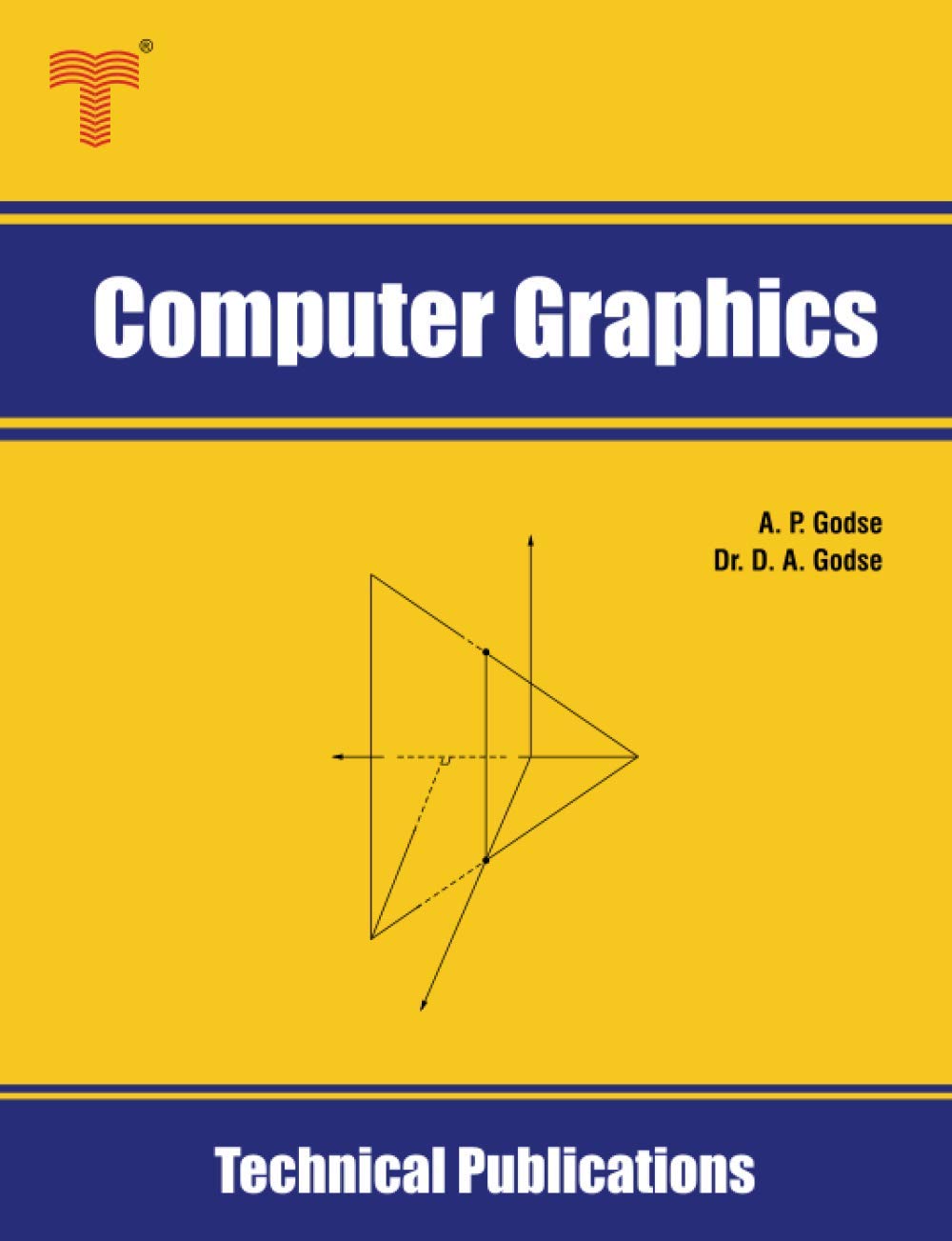
In this review of Computer Graphics: Concepts and Algorithms the bottom line is simple: this book is best for students and self-learners who want a methodical, example-driven introduction to both foundational graphics theory and practical OpenGL programming. The authors present topics in a clear, systematic way so readers can progress from basic scan conversion and 2D transforms to illumination, shading and animation. If you value structured explanation and code-oriented examples, this book delivers a compact learning path through core computer graphics material.
Key Features
- Comprehensive fundamentals: Covers essential topics such as graphics devices, polygons, segments and scan conversion so readers gain a broad base in graphical concepts.
- 2D and 3D transformations: Explains windowing, clipping and both 2D and 3D transforms to support practical coordinate and view manipulation.
- OpenGL examples: Introduces the popular OpenGL programming language with illustrative examples that show how functions behave in real code.
- Rendering techniques: Describes illumination models, shading algorithms and hidden line elimination to help readers implement realistic rendering approaches.
- Curves, fractals and modern topics: Includes material on curves, fractals, animation and gaming to connect classical theory with current applications.
Who It's For
This book suits undergraduate students in computer science, graphics course attendees and programmers who need a clear, example-led textbook that bridges theory and practice. Its particularly useful for readers who prefer systematic exposition and stepwise progression through topics like clipping, shading and hidden surface methods.
Those seeking an exhaustive research reference or a volume focused solely on the latest GPU APIs and advanced real-time techniques should look elsewhere; this text emphasizes foundational algorithms and OpenGL instruction rather than cutting-edge hardware-specific optimization.
Pros & Cons
Pros
- Well organized presentation of core topics makes it easy to follow from basic to advanced concepts.
- Practical OpenGL examples illustrate functions and reinforce theoretical material with code-oriented lessons.
- Covers a broad range of subjects including transformations, shading, curves, fractals and animation to provide a complete course companion.
Cons
- Not a replacement for up-to-date GPU-specific texts; readers seeking the very latest API features and optimizations may need supplemental resources.
Specifications
| Title | Computer Graphics: Concepts and Algorithms |
| Authors | A. P. Godse, Dr. D. A. Godse |
| Subject focus | Fundamental computer graphics concepts and OpenGL programming |
| Topics included | Scan conversion, polygons, 2D/3D transforms, clipping, shading, curves, fractals, animation |
| Programming examples | Illustrative OpenGL examples |
| Audience | Students, self-learners, programmers learning graphics |
Our Verdict
Computer Graphics: Concepts and Algorithms is a solid textbook for learners who need a clear, structured introduction to graphics algorithms and OpenGL examples. It offers good value as a course companion or self-study resource because it balances theory and practical code without overwhelming beginners.
Frequently Asked Questions
Does this book include programming examples?
Yes, it introduces OpenGL with illustrative examples that demonstrate various functions and their use.
Is it suitable for beginners?
Yes, the book is written in a simple, lucid and systematic way aimed at students and self-learners beginning in computer graphics.
Will it teach modern real-time GPU optimization?
It focuses on foundational algorithms and OpenGL instruction; readers needing the newest GPU-specific optimization techniques should consult additional, more specialized resources.
Editor's Take
A clear, well-organized textbook that balances foundational graphics algorithms with practical OpenGL examples; ideal for students and self-learners who want structured, code-oriented instruction.

Recently viewed
Recently viewed products will appear here as customers browse the store.