

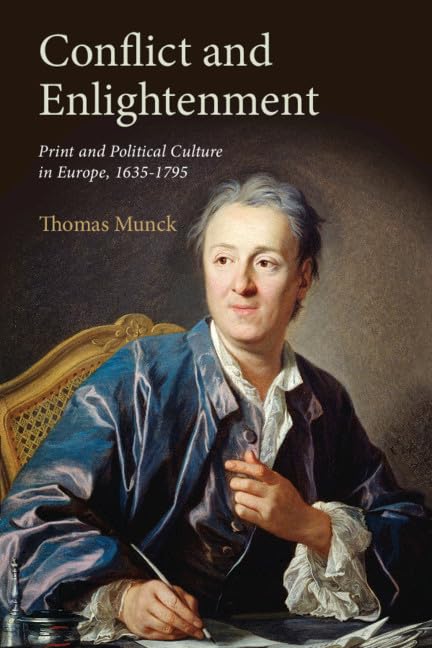
Conflict and Enlightenment: Print and Political Culture in Europe
Conflict and Enlightenment: Print and Political Culture in Europe
Price subject to change. Tap below for current.
Couldn't load pickup availability
The book Conflict and Enlightenment by Thomas Munck offers a profound exploration of the intricate relationship between print culture and political dynamics in Europe from 1635 to 1795. This period was marked by significant upheaval and transformation, and Munck adeptly navigates through the complexities of how printed materials influenced public opinion and political discourse.
One of the standout features of this work is its in-depth analysis of the role of print media in shaping Enlightenment thought. Munck meticulously examines how pamphlets, newspapers, and books served as vehicles for disseminating revolutionary ideas, challenging the status quo, and fostering a culture of debate. The author illustrates how these printed materials were not merely passive reflections of society but active participants in the political landscape.
In addition to its historical insights, Conflict and Enlightenment delves into the technological advancements that facilitated the spread of information. The advent of the printing press revolutionized communication, allowing for a wider distribution of ideas and a more informed public. Munck highlights how this technological shift played a crucial role in the emergence of modern political thought.
The book also addresses the tensions between censorship and freedom of expression during this tumultuous period. Munck discusses the various ways authorities attempted to control the flow of information and how these efforts often backfired, leading to greater public interest in political literature and dissenting voices. This dynamic interplay between power and resistance is a central theme throughout the narrative.
Moreover, Munck's work is enriched by a diverse array of primary sources, including letters, essays, and contemporary critiques. These documents provide readers with a vivid glimpse into the minds of influential thinkers and the societal context in which they operated. The inclusion of such materials enhances the book's academic rigor while making it accessible to a broader audience.
Another significant aspect of Conflict and Enlightenment is its examination of the impact of print culture on various social groups, including women and the lower classes. Munck sheds light on how these groups utilized print to voice their concerns and aspirations, thereby contributing to the broader political discourse of the time. This inclusive approach underscores the democratizing potential of print culture in shaping public opinion.
In conclusion, Thomas Munck's Conflict and Enlightenment is an essential read for anyone interested in the intersections of print culture and political history. Its comprehensive analysis, engaging narrative, and rich primary sources make it a valuable addition to the field. Whether you are a scholar, student, or simply a curious reader, this book will deepen your understanding of how the printed word has influenced the course of European history.

Recently viewed
Recently viewed products will appear here as customers browse the store.