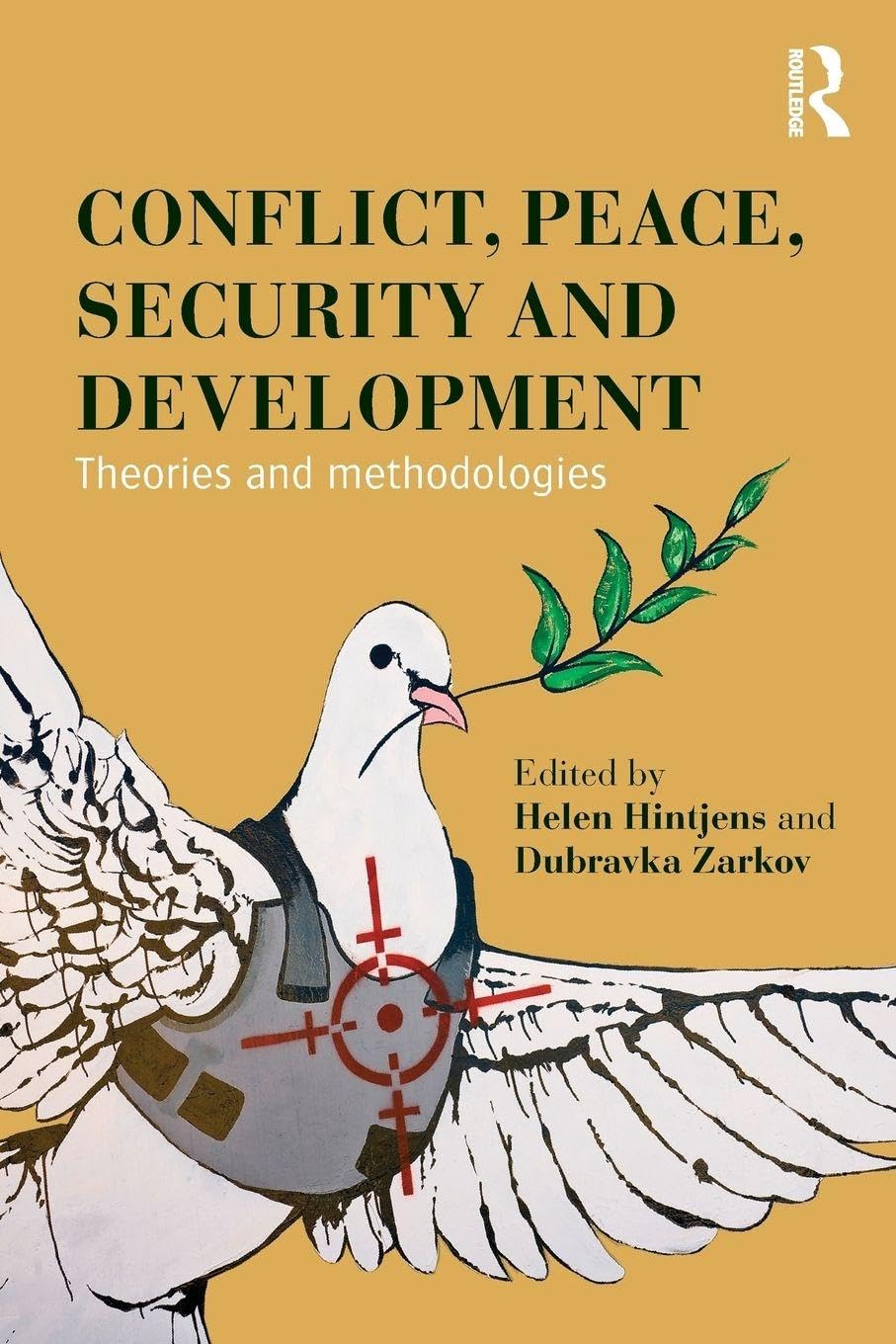
Conflict, Peace, Security and Development: Theories and Methodologies
Conflict, Peace, Security and Development: Theories and Methodologies
Price subject to change. Tap below for current.
Couldn't load pickup availability
The book Conflict, Peace, Security and Development offers a comprehensive exploration of the intricate relationships between these critical themes. Authored by Helen M. Hintjens and Fabio Diaz, this work delves into the theoretical frameworks that underpin our understanding of conflict and peacebuilding.
In today's world, the interplay of security and development is more relevant than ever. This text provides readers with a nuanced perspective on how these elements interact and influence one another. The authors meticulously analyze various methodologies that can be employed to address conflicts and promote sustainable peace.
One of the standout features of this book is its focus on theoretical approaches. The authors present a range of theories that have shaped the discourse around conflict resolution and peace studies. By grounding their analysis in established frameworks, they provide a solid foundation for understanding contemporary issues.
Moreover, the book emphasizes the importance of methodological diversity. It encourages scholars and practitioners alike to adopt a multifaceted approach when tackling issues related to conflict and development. This diversity is crucial for crafting effective interventions that are sensitive to the unique contexts of different regions.
Readers will appreciate the inclusion of case studies that illustrate the practical application of the theories discussed. These real-world examples serve to bridge the gap between theory and practice, making the content accessible and relevant. The authors highlight successful initiatives that have led to positive outcomes in conflict-affected areas.
Another significant aspect of this work is its attention to global perspectives. The authors draw on examples from various regions, ensuring that the discussion is not limited to a single context. This global approach enriches the reader's understanding of how different cultures and societies navigate the challenges of conflict and peace.
In conclusion, Conflict, Peace, Security and Development is an essential read for anyone interested in the fields of peace studies, international relations, and development. Its thorough examination of theories and methodologies makes it a valuable resource for both students and professionals. The insights provided by Hintjens and Diaz will undoubtedly contribute to ongoing discussions about how to foster lasting peace in a complex world.
Share