

Connecting Leadership and Learning - Practical School Leadership
Connecting Leadership and Learning - Practical School Leadership
Price subject to change. Tap below for current.
Couldn't load pickup availability
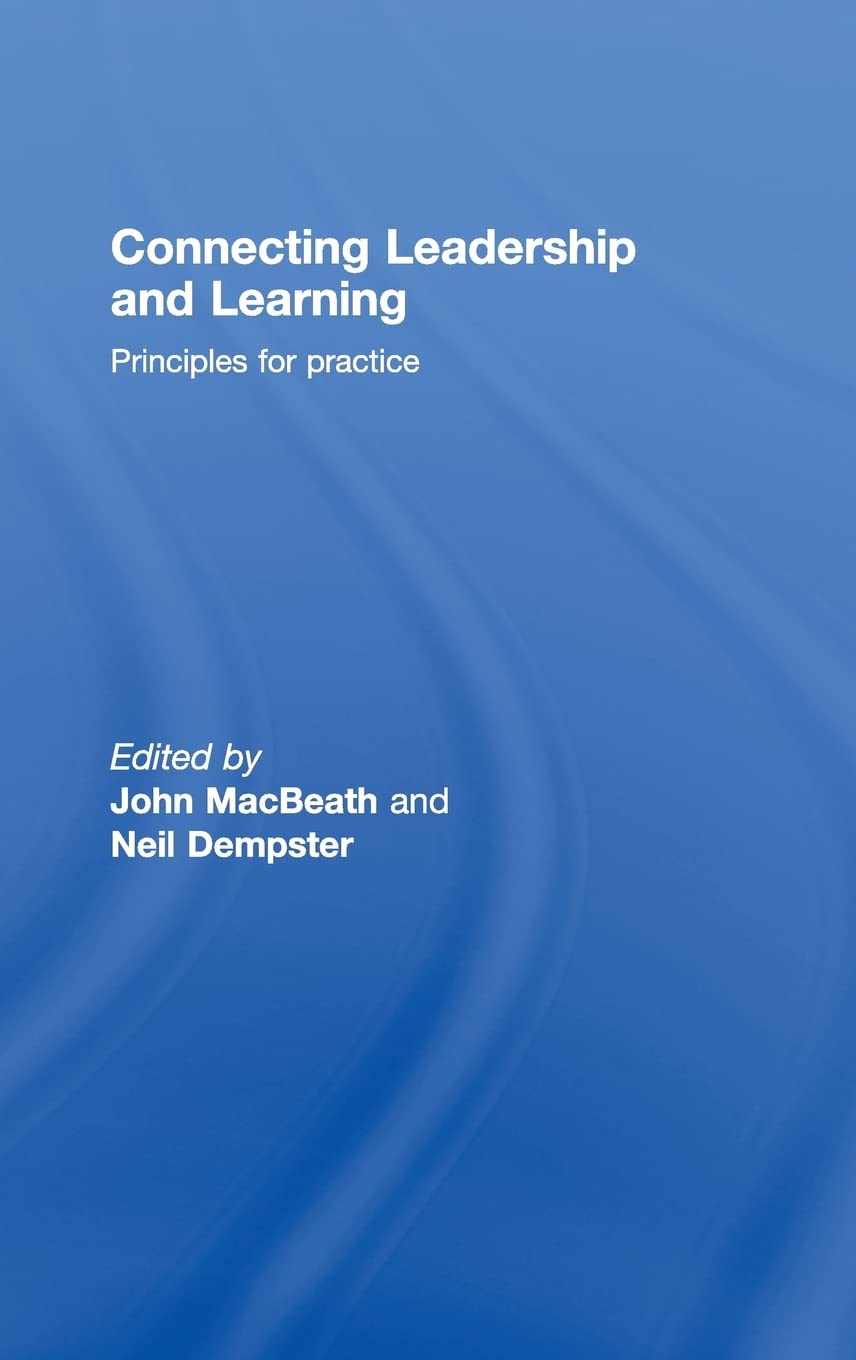
In this review of Connecting Leadership and Learning, the book is presented as a thoughtful, research-informed guide for headteachers, senior leaders and policy makers who want to place learning at the centre of school life. The authors reassess what schools are for and test leadership ideas against international research, so the single biggest reason to buy is its sustained focus on linking leadership decisions to observable learning outcomes. Readers looking for practical principles rooted in comparative evidence will find this a steady, reflective read.
Key Features
- Evidence from multiple countries: Draws on research projects across the United States, Australia and five European countries to give a broader perspective on school leadership and learning.
- Five clear principles: Presents five actionable principles for practice that help leaders centre decisions on learning rather than management alone.
- Focus on learning dialogue: Emphasises the value of conversations about teaching and learning that build professional understanding across staff.
- Shared leadership approach: Explores how distributed leadership can create conditions where teachers and leaders jointly take responsibility for learning.
- Accountability considered broadly: Discusses both internal and external accountability so leaders can balance inspection pressures with day-to-day learning needs.
- Critical review of assumptions: Begins with a sober review of what is known and unknown about learning and leadership to avoid simplistic prescriptions.
Who It's For
Connecting Leadership and Learning is best for school leaders, deputy heads, curriculum leads and local authority advisers who want research-grounded options for shaping school policy. Its comparative studies and principle-led structure suit readers who prefer reflective, evidence-informed guidance rather than quick-fix checklists.
It is less suited to readers seeking step-by-step operational manuals, classroom-level lesson plans, or brief introductions to leadership; those audiences may prefer resources focused specifically on day-to-day teaching techniques rather than the broader leadership-to-learning relationship.
Pros & Cons
Pros
- Strong international evidence base offers perspectives beyond a single system, useful for comparative thinking.
- The five principles give a coherent framework for leaders to align policy and practice with learning priorities.
- Thoughtful treatment of accountability helps leaders navigate internal and external expectations without losing sight of learning.
Cons
- The book is reflective and makes few quick, prescriptive step-by-step solutions for immediate classroom change.
- Readers seeking richly detailed case studies from a single national context may find the comparative approach less focused.
Specifications
| Title | Connecting Leadership and Learning |
| Authors | John MacBeath, Neil Dempster |
| Focus | Leadership linked to learning and school purpose |
| Research basis | Seven country projects including US, Australia and five European countries |
| Key content | Five principles: focus of learning; environment for learning; learning dialogue; shared leadership; accountability |
| Intended audience | School leaders, curriculum leads, policy makers |
Our Verdict
Connecting Leadership and Learning is a valuable, evidence-informed resource for educational leaders who want to ground decisions in learning-centred principles. Its comparative research and five-principle framework make it good value for those seeking thoughtful, practice-oriented ideas rather than quick operational scripts, and it rewards readers prepared to reflect on how leadership shapes learning across whole-school systems.
Frequently Asked Questions
Does this book offer practical steps for classroom teachers?
Answer. The emphasis is on leadership and school-level practice; it offers principles that inform classroom work but does not provide detailed lesson plans.
What kind of research supports the book's claims?
Answer. The authors draw on seven international research projects from the United States, Australia and five European countries to compare leadership and learning practices.
Who will benefit most from reading it?
Answer. Headteachers, senior leaders and policy advisers seeking to align leadership with learning priorities will find the book most useful.
Editor's Take
Connecting Leadership and Learning is an evidence-informed resource for school leaders who want to align leadership decisions with learning outcomes; its five-principle framework and international research make it valuable for reflective practice, though it is not a classroom-level how-to guide.

Recently viewed
Recently viewed products will appear here as customers browse the store.